

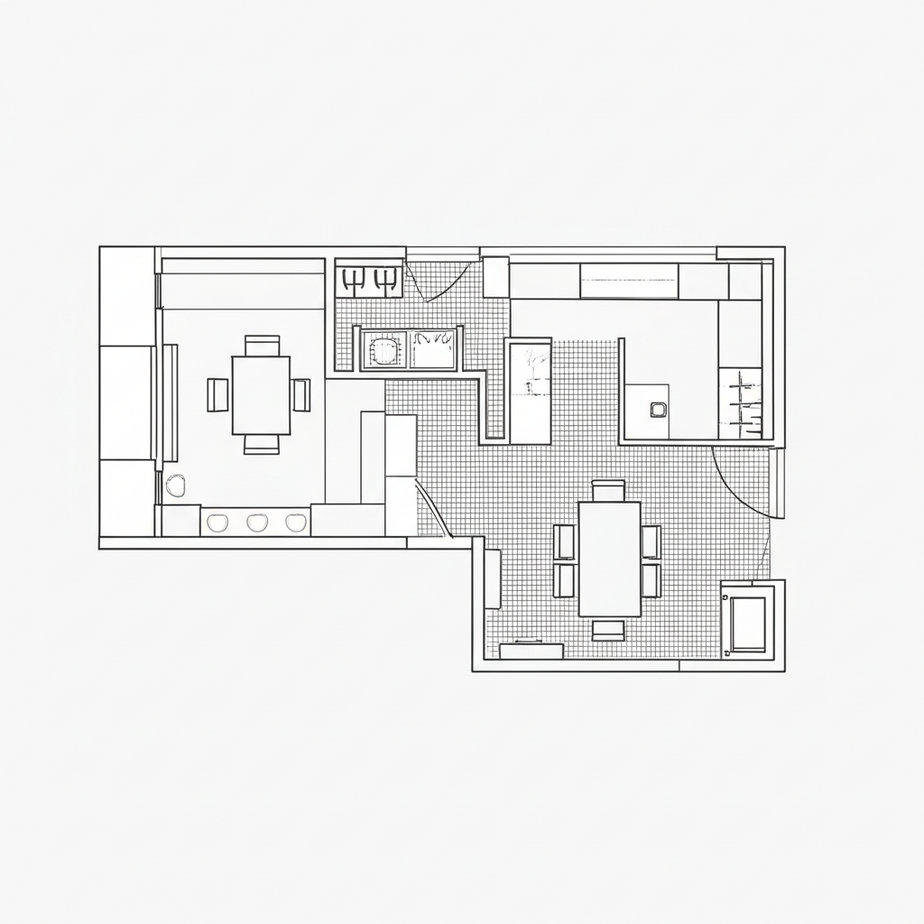
Commercial Kitchen Renovation: Complete 2025 Guide
Key Takeaways
- Commercial kitchen renovations typically cost $75,000-$300,000 depending on scope and location
- Proper workflow design prevents costly operational inefficiencies and safety violations
- Code compliance and permitting require 12-26 weeks of planning to avoid project delays
- Strategic equipment placement and ventilation design maximize ROI and operational efficiency
- Professional design prevents the top 5 workflow mistakes that hurt profitability
Your commercial kitchen is the heart of your food service operation, directly impacting everything from food safety compliance to profit margins. Whether you’re repositioning an underperforming restaurant, expanding a successful concept, or converting raw space into a turnkey food service facility, a well-executed commercial kitchen renovation can transform your business trajectory.
The stakes are high: poor design decisions can cost tens of thousands in operational inefficiencies, code violations, and lost revenue. Conversely, strategic renovations deliver measurable ROI through improved workflow, reduced labor costs, and enhanced food safety compliance. With commercial kitchen renovation costs ranging from $75,000 to over $300,000, understanding the critical success factors isn’t just helpful—it’s essential for protecting your investment and maximizing your return.
This comprehensive guide reveals the proven strategies, cost considerations, and design principles that separate successful commercial kitchen renovations from costly mistakes, ensuring your project delivers both operational excellence and financial performance.
Understanding Commercial Kitchen Renovation
Commercial kitchen renovation involves the comprehensive redesign, remodeling, and upgrading of foodservice facilities to meet evolving operational needs, regulatory requirements, and industry standards. Unlike residential kitchen updates, commercial renovations require specialized expertise in foodservice workflows, health department compliance, and high-volume equipment integration.
The scope of a commercial kitchen renovation typically encompasses everything from layout reconfiguration and equipment replacement to ventilation system upgrades and flooring installation. These projects address critical operational challenges including workflow inefficiencies, outdated equipment, compliance violations, and capacity limitations that directly impact profitability and customer satisfaction.
Modern commercial kitchen renovations focus heavily on creating efficient work triangles between prep, cooking, and service areas while ensuring proper separation of clean and dirty workflows. The renovation process must account for complex utility requirements including gas lines, electrical systems rated for commercial appliances, grease management systems, and specialized ventilation that can handle high-volume cooking operations.
Successful renovations also integrate technology solutions such as energy-efficient equipment, automated inventory systems, and digital ordering platforms that enhance operational efficiency. The investment in a well-planned renovation typically delivers measurable returns through reduced labor costs, improved food quality consistency, enhanced safety compliance, and increased customer throughput capacity.
Benefits of Commercial Kitchen Renovation for Restaurant Operations
A strategically executed commercial kitchen renovation delivers substantial operational and financial benefits that directly impact your bottom line. Enhanced workflow efficiency represents the most immediate advantage, with properly designed layouts reducing food preparation time by 20-30% while minimizing staff movement and cross-contamination risks.
Energy efficiency improvements through modern equipment and systems typically reduce utility costs by 15-25% annually. New ENERGY STAR certified appliances, LED lighting, and improved insulation create measurable savings that contribute to renovation ROI. Additionally, upgraded ventilation systems improve air quality and temperature control, creating better working conditions that reduce staff turnover and workers’ compensation claims.
Compliance with current health department regulations and ADA requirements protects your business from costly violations and potential closure orders. Modern renovations incorporate proper hand-washing stations, temperature monitoring systems, and accessibility features that ensure long-term regulatory compliance. Food safety improvements through better storage solutions, temperature control, and sanitation systems reduce waste and protect your brand reputation.
Capacity optimization allows restaurants to serve more customers without expanding square footage. Efficient space planning and equipment selection can increase output by 40-60% in the same footprint. This enhanced capacity directly translates to increased revenue potential during peak service periods, making renovation investments particularly attractive for high-volume operations seeking competitive advantages in saturated markets.
The Commercial Kitchen Renovation Process
The commercial kitchen renovation process begins with comprehensive operational analysis and needs assessment. Professional designers evaluate current workflows, equipment conditions, capacity requirements, and regulatory compliance gaps to develop renovation specifications. This phase typically requires 2-4 weeks and includes detailed measurements, utility assessments, and stakeholder interviews to understand operational priorities.
Design development follows a systematic approach starting with conceptual layouts that optimize workflow efficiency and equipment placement. Professional restaurant design teams create detailed plans showing equipment specifications, utility routing, and compliance features. The design phase includes 3D visualization and equipment selection to ensure all stakeholders understand the proposed improvements before construction begins.
Permitting and regulatory approval represent critical phases requiring specialized expertise in local health department requirements, building codes, and fire safety regulations. Professional teams handle permit applications, plan reviews, and inspection scheduling to prevent delays and ensure compliance. This phase typically requires 4-8 weeks depending on local jurisdiction requirements and project complexity.
Construction execution follows a carefully coordinated schedule to minimize business disruption. Many renovations utilize phased approaches allowing partial operations to continue during construction. The process includes utility installation, structural modifications, equipment installation, and final inspections. Professional project management ensures quality control, timeline adherence, and seamless coordination between trades. Final commissioning includes equipment testing, staff training, and health department approval before reopening.
Commercial Kitchen Renovation in San Antonio & Central Texas: Local Market Insights
The San Antonio-Austin corridor represents one of the nation’s fastest-growing foodservice markets, with restaurant sales increasing 18% annually and new establishments opening at unprecedented rates. This explosive growth creates intense competition requiring operators to maximize efficiency and differentiate their offerings through superior kitchen operations and customer experience delivery.
Central Texas’s diverse culinary landscape—from traditional Tex-Mex and barbecue to innovative fusion concepts—demands flexible kitchen designs that accommodate varied cooking methods and service styles. Local health department requirements in Bexar, Travis, and surrounding counties emphasize water conservation, waste management, and energy efficiency, making modern renovation approaches particularly valuable for long-term operational success.
The region’s robust tourism industry, anchored by San Antonio’s River Walk and Austin’s entertainment districts, creates seasonal demand fluctuations requiring kitchens capable of scaling operations efficiently. Renovation projects that enhance capacity and workflow flexibility provide competitive advantages during peak tourist seasons and major events like SXSW and Fiesta.
Commercial real estate appreciation throughout the 100-mile radius around San Antonio makes renovation investments particularly attractive compared to relocation costs. Property values in established restaurant districts have increased 25-35% over the past three years, making in-place improvements the most cost-effective growth strategy. Additionally, the region’s skilled construction workforce and established supply chains for commercial kitchen equipment create favorable conditions for timely, cost-effective renovation projects that deliver measurable returns on investment.
Common Mistakes to Avoid
Even well-intentioned commercial kitchen renovations can fail due to critical oversights. Here are the five most costly mistakes that can derail your project and impact your bottom line:
1. Misplaced Equipment and Poor Workflow Design: The most expensive mistake is ignoring the kitchen work triangle and proper workflow patterns. Crossing clean and dirty paths, placing equipment without considering utility access, or creating bottlenecks between prep, cooking, and service areas can cripple operational efficiency and require costly repositioning later.
2. Inadequate Ventilation Planning: Poorly designed ventilation systems create safety hazards, code violations, and uncomfortable working conditions. Undersized exhaust hoods, improper makeup air systems, and inadequate fire suppression integration can force expensive retrofits and delay your opening.
3. Ignoring Code Compliance and Permitting: Attempting renovations without proper permits or failing to meet health department, fire safety, and ADA requirements leads to project shutdowns, fines, and costly rework. Always engage professionals who understand local regulations from project inception.
4. Choosing Wrong Equipment for Space and Volume: Oversized equipment wastes energy and space, while undersized equipment creates operational bottlenecks. Selecting equipment without considering your menu, volume projections, and utility capacity leads to poor ROI and operational challenges.
5. Inadequate Budget Planning for Hidden Issues: Failing to budget 15-20% contingency for unexpected structural, plumbing, or electrical issues discovered during renovation can halt projects mid-stream. Always conduct thorough pre-construction assessments and plan for contingencies.
Frequently Asked Questions
Is remodeling slowing down in 2025?
Commercial remodeling activity remains strong in 2025, driven by businesses adapting to post-pandemic operational needs and technology integration. While some sectors have normalized from peak renovation periods, restaurants and hospitality continue robust renovation activity. Supply chain improvements and contractor availability have actually accelerated project timelines compared to previous years.
What is the average cost of renovating a kitchen in 2025?
Commercial kitchen renovations typically range from $75,000 to over $300,000 in 2025, depending on size, complexity, and location. Smaller updates like equipment replacement may cost $40,000-$80,000, while full gut renovations with new utilities, flooring, and complete equipment packages can exceed $200,000. The average cost per square foot ranges from $150-$400 for comprehensive renovations.
Will renovation costs go down in 2025?
Renovation costs are expected to stabilize rather than decrease significantly in 2025. While supply chain disruptions have improved, labor costs and specialized commercial equipment prices remain elevated. However, improved contractor availability and streamlined permitting processes in many markets are helping control overall project costs and timelines.
How much does it cost per square foot to renovate a commercial kitchen?
Commercial kitchen renovation costs typically range from $150-$400 per square foot in 2025. Basic updates and equipment replacement start around $150/sq ft, while comprehensive renovations including new utilities, ventilation, flooring, and premium equipment can reach $400/sq ft. High-end restaurant kitchens with specialized equipment may exceed these ranges.
What are common kitchen renovation mistakes?
The most common mistakes include poor workflow design that crosses clean and dirty paths, inadequate ventilation planning, ignoring code compliance requirements, choosing wrong-sized equipment for operational needs, and insufficient budget planning for hidden structural issues. These errors can add 20-40% to project costs and delay openings significantly.
How long does a commercial kitchen renovation take?
Most commercial kitchen renovations require 12-26 weeks from design through completion, including permitting phases. Simple equipment updates may take 4-8 weeks, while comprehensive renovations requiring structural changes, new utilities, and full equipment installation typically need 16-24 weeks. Permitting and inspection phases can add 4-6 weeks to the timeline.
Do I need permits for commercial kitchen renovation?
Yes, commercial kitchen renovations typically require multiple permits including building, mechanical, electrical, plumbing, and health department approvals. The specific permits depend on scope of work, but even equipment replacement often requires health department review. Professional design teams handle permit coordination to ensure compliance and avoid costly delays.
Can I renovate a commercial kitchen while staying open?
Limited renovations like equipment replacement or cosmetic updates may allow partial operations, but comprehensive renovations typically require full closure for safety and code compliance. Phased renovation approaches can minimize downtime for larger operations with multiple service areas. Planning renovation timing during slower business periods helps minimize revenue impact.
Conclusion
A successful commercial kitchen renovation requires careful planning, expert design, and professional execution to achieve your operational and financial goals. From initial space assessment and workflow optimization to equipment selection and code compliance, every decision impacts your long-term success and return on investment.
The key to maximizing your renovation investment lies in partnering with experienced professionals who understand the unique challenges of commercial kitchen design. Proper planning prevents costly mistakes, ensures regulatory compliance, and creates efficient workflows that enhance productivity and profitability for years to come.
Whether you’re updating an existing kitchen or planning a complete transformation, the right design team makes the difference between a successful project and a costly renovation nightmare. Modern commercial kitchens must balance operational efficiency, food safety requirements, staff productivity, and long-term adaptability to changing business needs.
Ready to transform your commercial kitchen into a high-performance operation that drives business success? Our experienced team specializes in turnkey commercial kitchen renovations that maximize efficiency, ensure code compliance, and deliver measurable ROI. From initial concept through final inspection, we handle every aspect of your project with precision and expertise. Schedule a Free Consultation today to discuss your commercial kitchen renovation goals and discover how we can bring your vision to life while staying on time and within budget.