

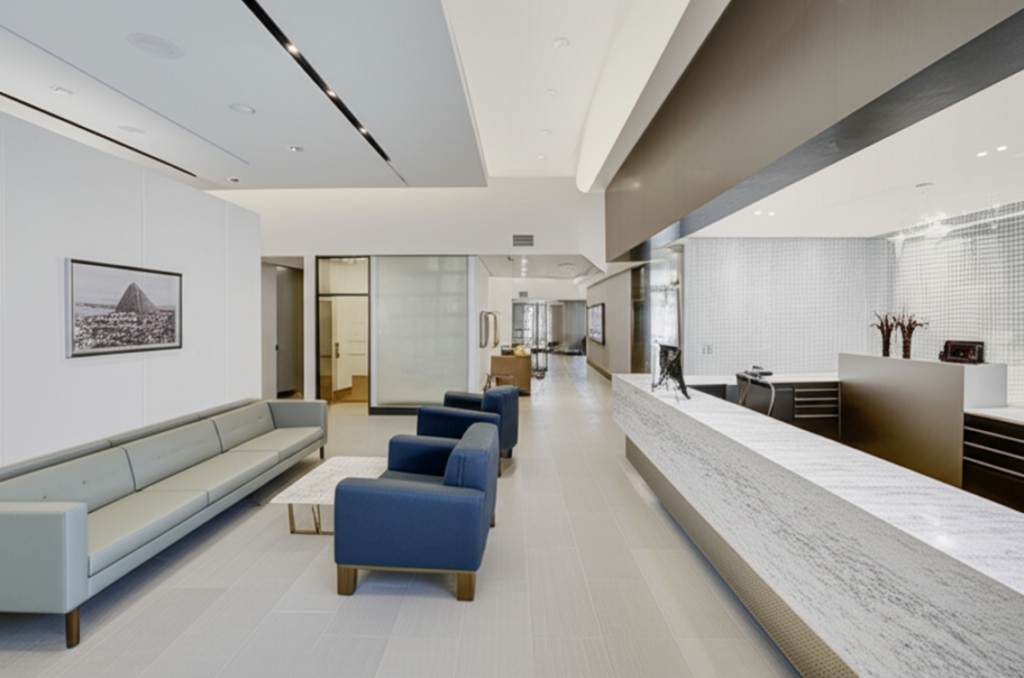
Latest Trends in Modern Medical Office Design for 2025
Key Takeaways
- Biophilic design and natural elements are transforming patient experiences in modern medical offices
- Technology integration, including telehealth capabilities and digital workflows, is essential for competitive practices
- Color psychology and evidence-based design create calming environments that reduce patient anxiety
- Flexible, modular furniture solutions maximize efficiency while maintaining comfort and accessibility
- Patient-centered design focuses on clear wayfinding, privacy, and seamless workflow optimization
The medical office landscape is experiencing unprecedented transformation in 2025, driven by evolving patient expectations, technological advancement, and a deeper understanding of how physical environments impact healing outcomes. Today’s healthcare practices face mounting pressure to create spaces that not only meet clinical requirements but also deliver exceptional patient experiences that differentiate them in an increasingly competitive market.
Modern medical office design has evolved far beyond sterile, institutional aesthetics. Forward-thinking practices are embracing evidence-based design principles that reduce patient anxiety, improve staff efficiency, and ultimately enhance clinical outcomes. From biophilic design elements that connect patients with nature to sophisticated technology integration that streamlines operations, the latest trends reflect a fundamental shift toward patient-centered environments.
This comprehensive guide explores the most impactful design trends shaping medical offices nationwide, providing healthcare professionals and practice owners with actionable insights to create spaces that serve both clinical excellence and business success.
Latest Trends Shaping Modern Medical Office Design in 2025
Medical office design is experiencing a revolutionary transformation driven by patient expectations, technological advancement, and the evolving healthcare landscape. The most significant trend reshaping medical offices is the integration of biophilic design elements that bring nature indoors through living walls, natural lighting, and organic materials. This approach reduces patient stress and creates a more welcoming environment that feels less clinical and more hospitality-focused.
Technology integration represents another major trend, with offices incorporating telehealth-ready spaces, digital check-in kiosks, and smart building systems that enhance operational efficiency. These digital solutions streamline patient flow while reducing administrative burden on staff. Virtual reception capabilities are becoming standard, allowing practices to maintain professional patient communication without the overhead of traditional reception desk staffing.
The shift toward flexible, multi-purpose spaces addresses the growing demand for hybrid care models. Modern medical offices now feature adaptable rooms that can serve multiple functions – from consultation spaces to telehealth studios. This flexibility maximizes space utilization while accommodating diverse patient needs and treatment modalities.
Wellness-focused design has moved beyond aesthetics to become a core functional requirement. Offices now prioritize air quality systems, antimicrobial surfaces, and touchless technologies that support infection control while promoting healing environments. Color psychology plays a crucial role, with calming blues and greens replacing sterile whites to create more therapeutic atmospheres.
Finally, sustainability and energy efficiency have become non-negotiable elements in modern medical office design. LEED-certified materials, energy-efficient lighting systems, and sustainable furniture choices not only reduce operational costs but also align with patients’ growing environmental consciousness. These trends collectively create medical spaces that prioritize patient experience while supporting practice efficiency and long-term operational success.
How to Create a Calming Medical Office Environment That Reduces Patient Anxiety
Creating a calming medical office environment requires a strategic approach that addresses both psychological and physical comfort factors. The foundation begins with thoughtful color selection – research shows that soft blues, sage greens, and warm earth tones significantly reduce cortisol levels and promote relaxation. Avoid stark whites and harsh fluorescents that can heighten anxiety and create an institutional feel that patients associate with stress.
Natural lighting and biophilic elements serve as powerful anxiety reducers in medical settings. Maximize daylight through strategically placed windows and supplement with full-spectrum LED lighting that mimics natural light patterns. Incorporate living plants, nature photography, or water features to create visual connections to the outdoors. These elements activate the parasympathetic nervous system, naturally lowering blood pressure and heart rate.
Sound management plays a critical role in creating tranquility. Install sound-masking systems that use white noise or nature sounds to ensure patient privacy while reducing the clinical atmosphere. Soft background music in waiting areas can further enhance relaxation, but volume levels should remain barely perceptible to avoid overwhelming sensitive patients.
The physical layout must prioritize privacy and personal space. Design waiting areas with varied seating options – some patients prefer open spaces while others need semi-private alcoves. Ensure adequate spacing between chairs and provide clear sightlines to exits, which helps patients feel less trapped and more in control of their environment.
Comfort amenities demonstrate care for patient wellbeing beyond medical treatment. Provide charging stations, complimentary beverages, and reading materials that cater to diverse interests. Temperature control should maintain consistent comfort levels, as physical discomfort can amplify anxiety. Consider implementing professional space planning to optimize traffic flow and minimize congestion that can create stress for both patients and staff.
Modern Medical Office Furniture and Equipment: Essential Elements for 2025
Modern medical office furniture has evolved far beyond basic functionality to encompass patient comfort, infection control, and operational efficiency. Antimicrobial seating solutions now feature built-in copper-infused fabrics and easy-to-clean surfaces that maintain their appearance while supporting rigorous sanitization protocols. Modular seating systems allow practices to reconfigure waiting areas based on patient volume and social distancing requirements.
Reception areas require height-adjustable workstations that accommodate both standing and seated staff while providing privacy screens for confidential conversations. Modern reception furniture integrates cable management systems for multiple monitors, tablets, and communication devices. Self-service kiosks positioned near entrances reduce reception desk congestion while providing patients with autonomous check-in capabilities.
Examination room furniture prioritizes both patient dignity and clinical efficiency. Electric examination tables with memory settings allow quick adjustments for different procedures while reducing staff strain. Storage solutions now feature soft-close mechanisms and antimicrobial surfaces that withstand frequent cleaning. Mobile workstations enable providers to access electronic health records while maintaining eye contact with patients, improving communication and trust.
Technology integration drives equipment selection in modern medical offices. Telehealth-ready furniture includes adjustable monitor arms, integrated lighting for video calls, and acoustic panels that ensure clear communication. Charging stations built into seating and tables address patients’ connectivity needs while reducing cord clutter that can create tripping hazards.
Ergonomic considerations extend beyond staff to include patient comfort during extended visits. Bariatric-friendly seating options, armrests for elderly patients, and pediatric-scaled furniture ensure accessibility for all patient populations. Storage ottomans provide additional seating while concealing medical supplies, maintaining the welcoming atmosphere that patients expect. These furniture selections must balance durability with aesthetics, creating professional environments that feel more like hospitality spaces than clinical facilities.
Patient-Centered Design: Transforming Medical Offices Around Patient Experience
Patient-centered design fundamentally reshapes medical office layouts to prioritize patient needs, preferences, and emotional wellbeing throughout their healthcare journey. This approach begins with intuitive wayfinding systems that reduce confusion and anxiety from the moment patients enter the facility. Clear signage, color-coded zones, and logical traffic patterns eliminate the stress of navigation while ensuring patients feel confident and oriented within the space.
The concept extends to flexible scheduling accommodations through design. Separate entrances for different patient types – such as well visits versus sick visits – prevent cross-contamination concerns while reducing anxiety for healthy patients. Private consultation areas allow for sensitive discussions without compromising confidentiality, while family-friendly spaces accommodate patients traveling with children or caregivers.
Dignity and privacy considerations influence every design decision in patient-centered offices. Examination rooms feature separate changing areas with secure storage for personal belongings. Sound-dampening materials ensure conversations remain confidential, while strategic placement of doors and windows prevents inadvertent exposure during medical procedures. These elements demonstrate respect for patient vulnerability and build trust in the provider relationship.
Technology integration focuses on patient empowerment and engagement. Interactive educational displays in waiting areas provide valuable health information while reducing perceived wait times. Patient portals accessible through in-office tablets allow real-time appointment updates and health record access. These tools shift patients from passive recipients to active participants in their healthcare experience.
The physical environment supports diverse patient populations through universal design principles. Wheelchair accessibility extends beyond ADA compliance to include comfortable maneuvering space and appropriate sight lines. Multi-generational seating options accommodate elderly patients who need firm support and younger patients who prefer modern, flexible seating. Cultural sensitivity appears in artwork selection, reading materials, and space design that welcomes patients from all backgrounds. This comprehensive approach, similar to strategies used in retail design, creates memorable experiences that encourage patient loyalty and positive word-of-mouth referrals.
Common Mistakes to Avoid
Even well-intentioned medical office design projects can fall short when common pitfalls aren’t addressed early in the planning process. Here are five critical mistakes that can compromise both patient experience and operational efficiency:
Ignoring Workflow and Patient Flow Planning: The most costly mistake is designing spaces without considering how patients, staff, and information move through the facility. Poor traffic patterns create bottlenecks, reduce efficiency, and increase patient wait times.
Inadequate Reception Area Sizing: Undersizing the reception area leads to crowding and chaos during peak hours. This space needs to accommodate check-in processes, waiting patients, and staff workflow without feeling cramped or overwhelming.
Neglecting ADA Compliance and Safety: Failing to properly plan for accessibility requirements and safety features like non-slip flooring, proper handrails, and clear sight lines can result in costly retrofits and potential liability issues.
Poor Lighting Design: Insufficient or harsh lighting affects both patient comfort and staff productivity. Areas need task-appropriate lighting that supports medical procedures while maintaining a welcoming atmosphere.
Inadequate Technology Infrastructure: Not planning for current and future technology needs, including telehealth capabilities, electronic health records systems, and patient communication tools, can quickly make a new space obsolete and require expensive upgrades.
Frequently Asked Questions
What are the healthcare web design trends in 2025?
Healthcare web design in 2025 emphasizes mobile-first responsive design, integrated telehealth platforms, and AI-powered patient portals. Clean, accessible interfaces with strong security features and seamless appointment scheduling are becoming standard expectations for modern medical practices.
What is the healthcare cost trend in 2026?
Healthcare costs are projected to continue rising in 2026, with medical office building cap rates showing compression to 6.9% in early 2025. This trend is driving demand for efficient space utilization and multi-functional design solutions that maximize operational efficiency while controlling overhead costs.
What are the trends for healthcare management in 2025?
Healthcare management trends in 2025 focus on paperless operations, virtual receptionist services, and integrated telehealth delivery. Practice management is increasingly emphasizing patient experience design, workflow optimization, and technology-enabled efficiency improvements to remain competitive.
What is one design element to avoid in a medical clinic?
Avoid using harsh fluorescent lighting throughout the facility, as it creates an institutional feel and can increase patient anxiety. Instead, incorporate layered lighting with natural light, warm LED fixtures, and task-specific illumination to create a more welcoming and therapeutic environment.
What are the common mistakes in healthcare?
Common healthcare design mistakes include poor patient flow planning, inadequate reception area sizing, insufficient technology infrastructure, and neglecting ADA compliance requirements. These issues can lead to operational inefficiencies, patient dissatisfaction, and costly retrofits.
How long does a medical office renovation take?
Medical office renovations typically take 3-6 months depending on scope, permitting requirements, and whether the practice remains operational during construction. Turnkey solutions with experienced healthcare design teams can streamline timelines while ensuring compliance with all medical facility regulations.
What ROI can I expect from a medical office redesign?
Well-executed medical office redesigns typically generate 15-25% increases in patient satisfaction scores and can improve operational efficiency by 20-30%. Improved patient flow and modern amenities often lead to increased patient retention and referrals, with many practices seeing ROI within 18-24 months.
Conclusion
The latest trends in modern medical office design for 2025 represent a fundamental shift toward patient-centered environments that prioritize both wellness and operational efficiency. From biophilic design elements and flexible layouts to advanced technology integration and evidence-based color psychology, today’s successful medical facilities must balance therapeutic benefits with practical functionality.
Smart space planning, sustainable materials, and thoughtful amenities are no longer luxuries—they’re essential components of competitive healthcare delivery. Practices that embrace these design trends will find themselves better positioned to attract and retain patients while supporting staff productivity and satisfaction.
The investment in modern medical office design pays dividends through improved patient outcomes, enhanced operational efficiency, and stronger market positioning. As healthcare continues to evolve, facilities that prioritize forward-thinking design will maintain their competitive edge in an increasingly demanding marketplace.
Ready to transform your medical facility with cutting-edge design solutions? Our team specializes in turnkey medical office projects that combine the latest design trends with practical functionality and regulatory compliance. Schedule a Free Consultation today to discover how modern design can elevate your practice and improve patient satisfaction while maximizing your return on investment.