

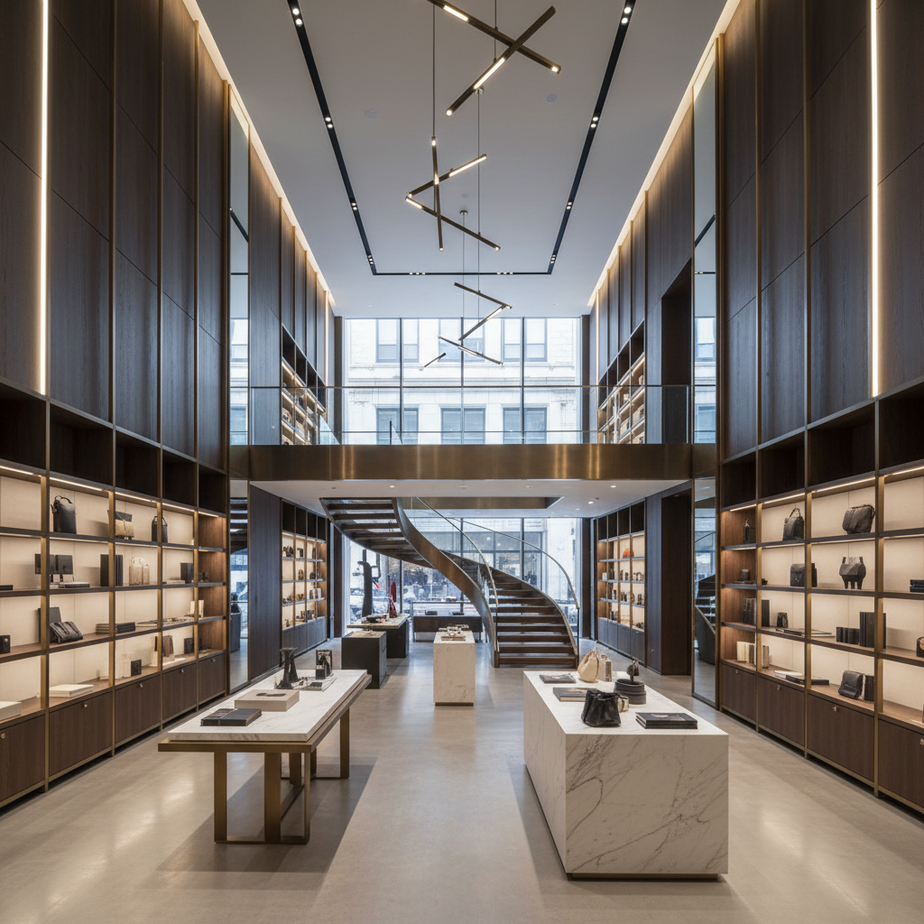
Professional Retail Design Services: Transform Your Store
Key Takeaways
- Professional retail design services increase sales by optimizing customer flow and product placement
- 2025 retail buildout costs range from $50-$200 per square foot, making expert planning essential for ROI
- Common design mistakes like poor lighting and confusing layouts can reduce revenue by up to 30%
- Turnkey retail design solutions streamline permitting, construction, and brand implementation
- Strategic space planning and visual merchandising create memorable brand experiences that drive repeat business
Your retail space is more than four walls and a cash register—it’s your brand’s most powerful sales tool. In today’s competitive retail landscape, professional retail design services have become essential for businesses looking to maximize revenue per square foot and create memorable customer experiences that drive loyalty.
With retail buildout costs averaging $50-$200 per square foot across U.S. markets in 2025, the stakes for getting your store design right have never been higher. Poor design decisions can cripple your investment, while strategic retail interior design can increase sales by 20-40% through optimized customer flow, enhanced product visibility, and compelling brand storytelling.
Whether you’re launching a new retail concept, renovating an existing store, or repositioning a commercial property for maximum value, this comprehensive guide reveals how professional retail design services transform ordinary spaces into profit-generating retail environments. You’ll discover the latest 2025 design trends, avoid costly mistakes, and learn how turnkey solutions can accelerate your path to opening day.
Understanding Professional Retail Design Services
Professional retail design services encompass the comprehensive planning, design, and implementation of commercial retail spaces that maximize both customer experience and business profitability. Unlike basic store layouts, professional retail design integrates strategic space planning, brand storytelling, customer flow psychology, and operational efficiency into a cohesive environment that drives sales and builds brand loyalty.
At its core, retail design services involve creating environments that guide customer behavior while reflecting brand identity. This includes everything from initial space planning and layout optimization to fixture selection, lighting design, color schemes, and visual merchandising strategies. Professional designers understand that every square foot of retail space must serve a purpose, whether it’s showcasing products, facilitating transactions, or creating memorable brand experiences.
The retail design industry has evolved significantly, with 2025 trends emphasizing flexible spaces, digital integration, and sustainable materials. Modern retail design services now include 3D visualization, virtual reality walkthroughs, and data-driven layout optimization based on customer traffic patterns. The goal extends beyond aesthetics to create turnkey solutions that support business operations, from inventory management to staff efficiency. Professional retail designers also navigate complex permitting processes, building codes, and accessibility requirements, ensuring projects meet all regulatory standards while achieving design objectives.
Benefits of Professional Retail Design Services for Business Success
Investing in professional retail design services delivers measurable returns through increased sales, improved operational efficiency, and enhanced brand positioning. Studies consistently show that well-designed retail spaces can increase sales by 15-30% through optimized customer flow, strategic product placement, and compelling visual merchandising. Professional designers understand the psychology of retail environments, creating spaces that encourage longer visits, higher transaction values, and repeat customers.
Operational benefits include improved staff productivity through efficient workspace design, reduced maintenance costs through durable material selection, and enhanced inventory management through strategic storage solutions. Professional retail design also addresses common costly mistakes such as poor lighting that reduces product appeal, confusing layouts that disrupt shopping flow, and inadequate space utilization that limits merchandise capacity. The average retail store build-out cost ranges from $50-200 per square foot, making professional design guidance crucial for maximizing this investment.
Brand differentiation represents another significant advantage, as professional retail design services create distinctive environments that set businesses apart from competitors. This includes developing cohesive visual storytelling, implementing consistent brand elements, and creating Instagram-worthy spaces that generate organic marketing through customer social media sharing. Long-term benefits include increased property values, easier tenant improvements for future expansions, and adaptable designs that accommodate changing business needs without major renovations.
The Professional Retail Design Process: From Concept to Opening
The professional retail design process begins with comprehensive discovery and strategic planning. Designers conduct thorough site inspections, analyze customer demographics, study traffic patterns, and assess operational requirements. This phase includes reviewing lease agreements, understanding building restrictions, and evaluating mechanical systems to identify potential challenges early. Market research and competitor analysis inform design strategies that position the business effectively within its local market.
Design development follows a structured approach, starting with space planning that optimizes customer flow and maximizes selling space. Professional designers create detailed floor plans, elevation drawings, and 3D renderings that visualize the final space before construction begins. This phase includes selecting fixtures, finishes, lighting systems, and technology integration points. Designers coordinate with architects, engineers, and contractors to ensure all systems work harmoniously while maintaining design integrity.
The implementation phase involves project management, permitting assistance, and construction oversight. Professional retail design services include coordinating with contractors, managing timelines, and ensuring quality control throughout the build-out process. Many firms offer turnkey solutions that handle everything from initial permits to final inspections, allowing business owners to focus on operations rather than construction management. The process typically concludes with staff training on new systems, final styling and merchandising setup, and post-opening support to address any operational adjustments needed for optimal performance.
Retail Design Services in San Antonio & Central Texas: Local Market Insights
The San Antonio-Austin corridor represents one of the fastest-growing retail markets in the United States, creating unprecedented opportunities for businesses investing in professional retail design services. This 100-mile radius encompasses diverse communities from Boerne’s affluent demographics to Austin’s tech-driven consumer base, requiring sophisticated design strategies that resonate with varied customer profiles. The region’s population growth, projected to continue through 2030, supports sustained retail expansion and renovation projects.
Local market dynamics favor businesses that invest in distinctive retail environments, as competition intensifies across all retail categories. The corridor’s mix of established shopping centers, emerging lifestyle developments, and historic downtown districts requires design expertise that adapts to different architectural contexts while maintaining brand consistency. Professional retail designers familiar with local building codes, permitting processes, and contractor networks provide significant advantages in project timelines and cost management.
National retail trends particularly impact the San Antonio-Austin market, where consumers expect technology integration, sustainable design elements, and experiential shopping environments. The region’s strong tourism economy also demands retail spaces that appeal to both locals and visitors, requiring design strategies that create memorable experiences while supporting efficient operations. Similar to successful restaurant design projects in the area, retail spaces must balance aesthetic appeal with functional requirements specific to Texas climate conditions, energy efficiency standards, and the region’s preference for authentic, locally-inspired design elements that reflect the area’s unique cultural heritage.
Common Mistakes to Avoid in Retail Design
Even well-intentioned retail design projects can fall short when common pitfalls aren’t addressed. Understanding these mistakes helps business owners make informed decisions and achieve better results from their investment.
Poor Traffic Flow Planning ranks as the most critical error. Many stores create confusing layouts that disrupt the natural shopping journey, leading to customer frustration and lost sales. Effective retail design services prioritize clear pathways that guide customers through your space intuitively.
Inadequate Lighting Design significantly impacts product appeal and customer comfort. Generic lighting solutions fail to highlight merchandise effectively, while poor ambient lighting creates an unwelcoming atmosphere that drives customers away.
Ignoring Brand Consistency weakens your market position. Stores that lack cohesive visual storytelling confuse customers about brand identity and values, reducing the emotional connection that drives loyalty and repeat purchases.
Overlooking Inventory Management in design planning creates operational inefficiencies. Failing to consider product turnover rates and seasonal variations results in displays that become stagnant and reduce profitability.
Generic Design Approaches fail to differentiate your business in competitive markets. Cookie-cutter solutions don’t reflect your unique brand personality or target customer preferences, missing opportunities to create memorable shopping experiences that generate word-of-mouth marketing.
Frequently Asked Questions
What’s the average cost for retail design services?
Professional retail design services typically range from $8,000 to $20,000 for comprehensive projects, depending on scope and complexity. Mid-tier packages ($8,000-$15,000) include 3D renderings and detailed furniture specifications, while premium services ($15,000-$20,000) provide complete turnkey solutions with project management.
How much does a design agency charge per hour?
Established retail design agencies typically charge $75 to $200 per hour, with rates varying based on experience level and project complexity. Senior designers and specialized consultants command higher rates, while junior team members handle routine tasks at lower hourly costs.
What are the retail interior design trends for 2025-2026?
Key trends include flexible pop-up spaces, integrated digital touchpoints, circular store layouts, and sustainable materials. Retailers are prioritizing adaptable fixtures that support multiple product categories and creating immersive brand experiences through technology integration.
What are some common design mistakes to avoid?
The most costly mistakes include poor traffic flow planning, inadequate lighting design, and ignoring brand consistency. Additionally, failing to consider inventory turnover rates and using generic design approaches significantly reduce retail effectiveness and customer engagement.
How long does a typical retail design project take?
Complete retail design projects typically require 8-16 weeks from initial consultation to final implementation. This timeline includes design development, permit acquisition, construction coordination, and final styling phases.
Do you provide 3D visualizations before construction begins?
Yes, professional retail design services include detailed 3D renderings and virtual reality walkthroughs that allow you to experience your space before construction begins. This visualization process ensures alignment with your vision and reduces costly changes during implementation.
What’s included in turnkey retail design services?
Turnkey solutions encompass complete project management from concept to grand opening, including space planning, permit acquisition, contractor coordination, fixture procurement, and final merchandising. This comprehensive approach ensures seamless execution and faster time-to-market for your retail concept.
Transform Your Retail Space with Professional Design Services
Strategic retail design represents one of the most impactful investments you can make in your business success. From optimizing customer flow and maximizing sales per square foot to creating memorable brand experiences that drive customer loyalty, professional design services deliver measurable returns that compound over time.
The retail landscape continues evolving rapidly, with new technologies, changing consumer preferences, and emerging trends reshaping how successful stores operate. Partnering with experienced retail design professionals ensures your space stays ahead of these changes while reflecting your unique brand identity and serving your target customers effectively.
Whether you’re launching a new retail concept, renovating an existing location, or expanding into additional markets, the right design partner makes the difference between a functional space and a profit-generating asset that supports long-term business growth.
Ready to transform your retail space into a customer magnet that drives consistent revenue growth? Our team of retail design specialists brings decades of experience creating successful stores across diverse market segments. We handle every aspect of your project from initial concept through grand opening, ensuring seamless execution and exceptional results. Schedule a Free Consultation today to discover how professional retail design services can elevate your business and maximize your return on investment.