

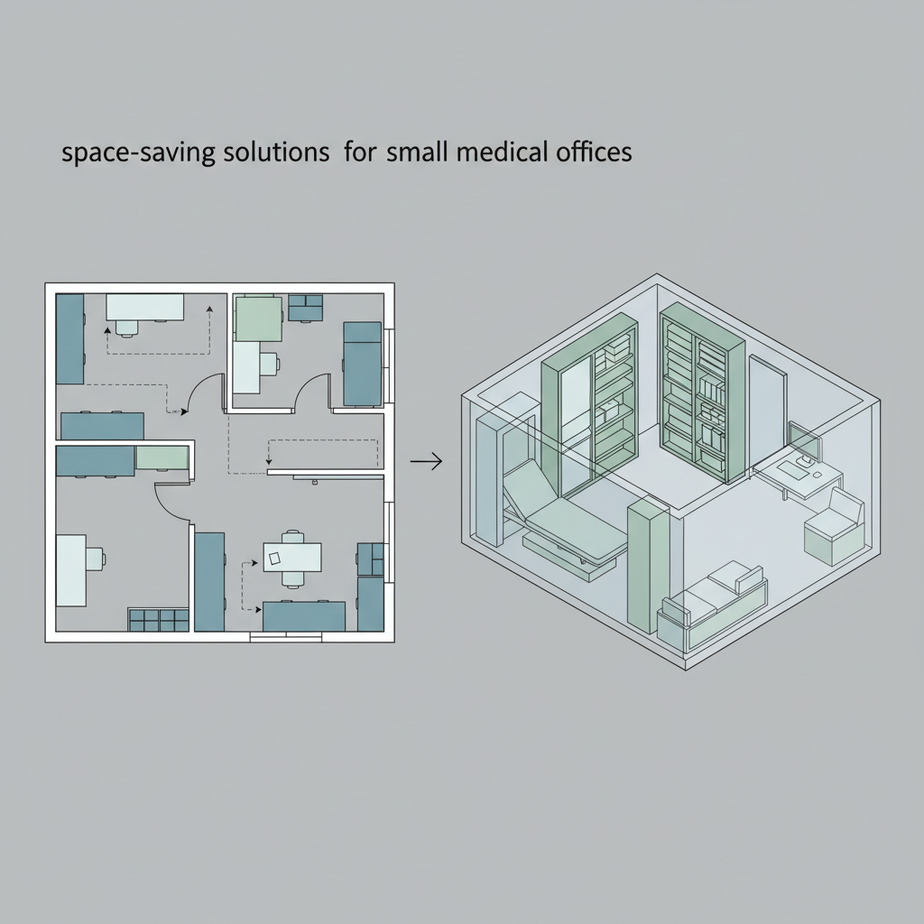
Space-Saving Solutions for Small Medical Offices
Key Takeaways
- Strategic space planning can reduce operational costs by 20-30% in small medical practices
- High-density storage solutions maximize supply room efficiency in compact footprints
- Multi-functional equipment and furniture reduce space requirements by up to 40%
- Proper vertical storage utilization can triple available storage capacity
- Budget-friendly design solutions average $10-30 per square foot for basic improvements
Small medical offices face a unique challenge: delivering comprehensive patient care while operating within limited square footage. With medical office fit-out costs averaging $412 per square foot in 2025, maximizing every inch of available space isn’t just smart—it’s essential for profitability and operational efficiency.
Whether you’re launching a new practice, expanding services, or repositioning an existing facility, the right space-saving solutions can transform cramped quarters into highly functional healthcare environments. From innovative storage systems that triple capacity to multi-purpose equipment that serves dual functions, modern design strategies help small practices compete with larger facilities while maintaining lower overhead costs.
This comprehensive guide reveals proven space-saving techniques used by successful medical practices nationwide. You’ll discover how to optimize workflow efficiency, select the right equipment for compact spaces, implement budget-friendly design solutions, and avoid costly mistakes that plague many small healthcare facilities.
Essential Space-Saving Solutions for Small Medical Offices
Small medical offices face unique challenges in maximizing every square foot while maintaining functionality and compliance. The key to effective space utilization lies in strategic vertical storage and multi-functional design elements that serve dual purposes without compromising patient care quality.
High-density storage systems represent the most impactful solution for small medical practices. Install reconfigurable storage cabinets that can organize supplies in a compact footprint, utilizing vertical space from floor to ceiling. These systems should feature adjustable shelving to accommodate various supply sizes and can reduce storage footprint by up to 40% compared to traditional filing cabinets.
Implement tucked-away displays and wall-mounted workstations to eliminate the need for bulky furniture pieces. Digital displays mounted on articulating arms can be positioned exactly where needed, then folded back against walls when not in use. This approach is particularly effective in examination rooms where space is at a premium.
Consider barn doors or sliding door systems instead of traditional swing doors, which require clearance space that could otherwise be utilized for equipment or storage. These solutions can reclaim 15-20 square feet per room in typical medical office layouts.
Supply room optimization through strategic space planning ensures maximum efficiency. Install tall cabinets that reach ceiling height and implement a zone-based organization system where frequently used items are stored at eye level, while less common supplies occupy higher shelves. Leave approximately 30% of shelf space empty to maintain proper organization and allow for inventory fluctuations.
Multi-functional furniture pieces, such as examination tables with built-in storage compartments or reception desks with integrated filing systems, maximize utility while minimizing footprint. These solutions are particularly valuable in practices where every square foot directly impacts operational efficiency and patient experience.
How to Maximize Efficiency in Small Medical Practice Layouts
Maximizing efficiency in small medical practices requires strategic workflow design that minimizes staff travel distances while optimizing patient flow patterns. The foundation of an efficient layout lies in understanding how staff, patients, and supplies move through the space throughout a typical day.
Workflow optimization begins with eliminating bottlenecks through strategic placement of high-use areas. Position supply storage within 10-15 steps of examination rooms, and ensure that staff workstations have direct sightlines to patient areas. This reduces response times and improves overall operational efficiency.
Implement virtual check-in systems to reduce crowding in reception areas. Digital check-in kiosks or mobile apps allow patients to complete paperwork remotely, freeing up valuable square footage in waiting areas that can be repurposed for revenue-generating activities or additional examination space.
Create flexible zones that can serve multiple functions throughout the day. A consultation area can double as a staff meeting space during non-patient hours, while procedure rooms can be configured for different types of appointments based on daily scheduling needs. This flexibility maximizes the return on investment for every square foot.
Strategic placement of technology infrastructure reduces clutter and improves functionality. Install ceiling-mounted equipment tracks in examination rooms to keep medical devices accessible but out of the way. Centralized charging stations for mobile devices eliminate cord clutter while ensuring equipment is always ready for use.
ADA compliance must be integrated into efficiency planning rather than treated as an afterthought. Ensure aisles are wide enough for wheelchair access while using corners and alcoves for storage solutions. This approach maintains compliance while maximizing usable space for daily operations.
Consider the patient journey from entry to exit, designing clear pathways that minimize confusion and reduce the need for staff intervention in patient navigation. Well-designed wayfinding and intuitive layouts reduce staff time spent directing patients, allowing more focus on care delivery.
Smart Equipment Selection for Small Medical Office Spaces
Equipment selection for small medical offices requires balancing functionality, space efficiency, and budget considerations. The right equipment choices can significantly impact both operational efficiency and the overall patient experience within limited square footage.
Multi-functional equipment should be prioritized over single-purpose devices. For example, combination printer-scanner-fax machines eliminate the need for three separate devices, while examination tables with built-in scales and storage compartments maximize utility per square foot. These integrated solutions typically cost 20-30% more upfront but provide substantial space savings and operational benefits.
Wall-mounted and ceiling-mounted equipment options free up valuable floor space for patient movement and additional functionality. Blood pressure monitors, otoscopes, and other diagnostic tools can be mounted on articulating arms that swing out when needed and fold back against walls when not in use. This approach is particularly effective in examination rooms where floor space is critical.
Consider mobile equipment solutions that can be shared between rooms rather than purchasing duplicate items for each space. Rolling carts for supplies, portable diagnostic equipment, and mobile workstations allow practices to maintain full functionality while reducing overall equipment footprint and capital investment.
Digital solutions should replace paper-based systems wherever possible. Electronic health records, digital imaging systems, and tablet-based patient check-in eliminate the need for extensive filing systems and paper storage. This transition can reclaim 100-200 square feet in typical small practices while improving operational efficiency.
When selecting furniture, prioritize pieces that serve multiple functions. Reception desks with integrated filing systems, chairs with built-in storage, and examination room cabinets that double as work surfaces maximize utility while minimizing footprint. Quality commercial-grade furniture typically costs $15-25 per square foot but provides durability and functionality essential for medical environments.
Energy-efficient equipment not only reduces operational costs but often features more compact designs than older models. LED lighting systems, energy-efficient HVAC units, and modern medical devices typically require less space while providing superior performance and lower long-term operating costs.
Small Medical Office Floor Plan Examples and Design Strategies
Effective floor plan design for small medical offices typically ranges from 800 to 1,500 square feet and must accommodate patient flow, staff efficiency, and regulatory compliance within a compact footprint. Understanding proven layout strategies helps practices maximize functionality while maintaining professional standards.
The linear layout model works exceptionally well for narrow spaces, positioning examination rooms along one side with a central corridor for staff movement and supply access. This design typically accommodates 3-4 examination rooms, a consultation office, and necessary support areas within 1,000 square feet. Reception areas in linear layouts should be positioned at the entrance with clear sightlines to the corridor.
For square or rectangular spaces, the pod-based design clusters examination rooms around a central nursing station or supply area. This configuration reduces staff travel time and creates natural workflow patterns. A typical 1,200-square-foot pod design can accommodate 4-5 examination rooms with shared support functions centrally located.
Multi-specialty practices benefit from zone-based layouts that separate different types of care while sharing common areas like reception and waiting spaces. This approach allows practices to optimize each zone for specific functions while maintaining operational efficiency. For example, a family practice might dedicate one zone to pediatric care with appropriately sized furniture and equipment.
Successful small medical office designs typically allocate 40-50% of space to examination rooms, 20-25% to reception and waiting areas, 15-20% to support functions (storage, staff areas, restrooms), and 10-15% to circulation. This ratio ensures adequate patient care space while maintaining necessary support functions.
The integration of technology infrastructure must be planned during the design phase rather than added later. Modern medical offices require robust electrical systems, data networks, and equipment mounting solutions that can impact layout decisions. Working with experienced professionals in commercial interior design ensures these technical requirements are seamlessly integrated into functional layouts.
Budget-conscious practices should focus on flexible designs that can adapt as the practice grows. Modular furniture systems, moveable partitions, and scalable technology infrastructure allow practices to modify layouts without major renovation costs, typically saving 30-40% on future expansion expenses.
Common Mistakes to Avoid
Even well-intentioned medical office designs can fall short when common pitfalls aren’t addressed during the planning phase. Understanding these mistakes helps ensure your space-saving efforts actually improve efficiency rather than create new problems.
Overlooking Vertical Storage Opportunities: Many practices fail to maximize their vertical space, leaving valuable storage potential unused. Installing floor-to-ceiling storage systems and wall-mounted solutions can double your storage capacity without expanding your footprint.
Poor Workflow Planning: Placing frequently accessed supplies in hard-to-reach locations or creating bottlenecks between patient rooms wastes valuable time. Strategic placement of storage and equipment based on daily usage patterns is essential for efficient operations.
Inadequate Temperature Control for Medical Storage: Storing medications and supplies in areas with temperature fluctuations, such as near doors or windows, can compromise their integrity. Dedicated climate-controlled storage areas protect your investment and ensure patient safety.
Ignoring ADA Compliance Requirements: Narrow aisles and inaccessible storage solutions can create legal issues and operational challenges. Ensure all pathways meet ADA requirements while still maximizing storage efficiency.
Underestimating Future Growth Needs: Designing storage solutions that can’t adapt to changing inventory needs or practice expansion limits long-term efficiency. Choose modular systems that can grow with your practice.
Frequently Asked Questions
How do you estimate office space costs?
Medical office fit-out costs average $412 per square foot in 2025, though this varies significantly based on location, complexity, and finishes. Basic furniture and storage typically cost $10-30 per square foot, while specialized medical equipment and built-in storage solutions require additional budget allocation. Professional space planning helps optimize your investment by maximizing functionality within your budget constraints.
How much to build a 2000 sq ft office?
A 2000 square foot medical office buildout typically ranges from $600,000 to $1,000,000, depending on the level of customization and medical equipment requirements. This includes space planning, construction, built-in storage solutions, and basic furnishings. Costs can be optimized through strategic design choices that maximize space efficiency and reduce the need for expensive structural modifications.
Who pays for office buildout?
Buildout costs are typically negotiated between landlord and tenant, with many commercial leases including tenant improvement allowances. The landlord may cover basic improvements while tenants fund specialized medical requirements and custom storage solutions. Understanding these arrangements during lease negotiations can significantly impact your overall project budget and design flexibility.
How much should a three-office build out cost?
A three-office medical suite buildout typically costs between $300,000 to $600,000, depending on size and complexity. This includes exam rooms, reception area, storage solutions, and basic medical infrastructure. Efficient space planning can reduce costs by minimizing structural changes while maximizing storage and workflow efficiency.
How can we avoid medical mistakes in office design?
Proper organization and strategic storage placement significantly reduce medical errors by ensuring supplies are easily accessible and properly labeled. Clear sightlines, adequate lighting, and logical workflow patterns help staff locate items quickly and maintain focus on patient care. Professional medical office design addresses these safety considerations while maximizing space efficiency.
What storage solutions work best in small medical offices?
High-density, reconfigurable storage cabinets offer the best value for small medical offices by maximizing vertical space and adapting to changing needs. Wall-mounted systems, mobile carts, and modular shelving create flexible storage without compromising floor space. The key is choosing solutions that maintain easy access while organizing supplies in compact footprints.
How do you maximize efficiency in a small medical practice?
Efficiency comes from strategic workflow design that minimizes staff movement and maximizes patient throughput. This includes placing frequently used supplies near point-of-care locations, creating clear pathways between rooms, and implementing storage solutions that support quick inventory access. Digital check-in systems and smart storage organization further enhance operational efficiency.
Conclusion
Implementing effective space-saving solutions in small medical offices requires a strategic approach that balances functionality, compliance, and cost-effectiveness. From vertical storage systems and modular furniture to smart technology integration and workflow optimization, the right design choices can transform limited square footage into a highly efficient healthcare environment.
The key to success lies in understanding that every square foot must serve multiple purposes while maintaining the professional standards patients expect. Whether you’re planning equipment selection, developing floor plans, or working within budget constraints, professional guidance ensures your space-saving investments deliver measurable returns in operational efficiency and patient satisfaction.
Ready to maximize your medical office’s potential? Our experienced team specializes in creating turnkey solutions that optimize small healthcare spaces without compromising functionality or patient care quality. From initial space planning through final implementation, we handle every aspect of your project with the expertise and attention to detail your practice deserves. Schedule a Free Consultation today to discover how strategic design can transform your small medical office into a highly efficient, profitable healthcare environment.