

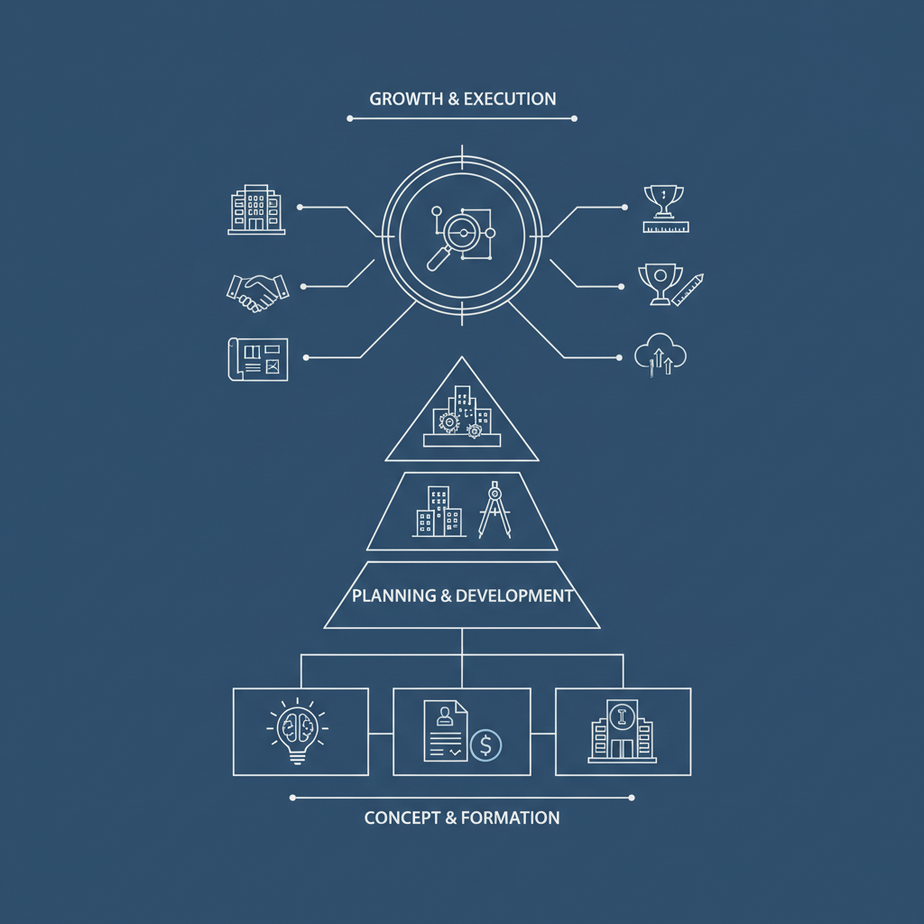
How to Start an Interior Design Business in 2025
Key Takeaways
- Successful interior design businesses require proper legal structure, licensing, and comprehensive business planning from day one
- Strategic pricing models range from $100-500 per hour, with minimum project budgets of $150,000-$250,000 for sustainable profitability
- Specializing in commercial niches like retail, hospitality, or medical facilities commands higher fees than residential work
- Initial startup costs typically range from $6,000-$15,000 monthly for essentials like office space, software, and professional services
- Avoiding common mistakes like underpricing services and poor project management is crucial for long-term success
The interior design industry is experiencing unprecedented growth, with businesses increasingly recognizing that well-designed spaces directly impact employee productivity, customer experience, and bottom-line results. Whether you’re a seasoned designer ready to launch your own firm or a creative professional looking to transition into this lucrative field, starting an interior design business in 2025 presents exceptional opportunities—but only for those who approach it strategically.
The difference between a struggling design freelancer and a profitable design firm owner lies in understanding the business fundamentals: proper legal structure, strategic pricing models, effective client acquisition systems, and operational efficiency. This comprehensive guide will walk you through every critical step of launching your interior design business, from initial market research and business planning to pricing strategies and avoiding the costly mistakes that derail most new design ventures. You’ll discover proven frameworks used by successful design firms nationwide and learn how to position your business for sustainable growth in today’s competitive marketplace.
Understanding the Interior Design Business Landscape in 2025
Starting an interior design business in 2025 represents a unique opportunity in a rapidly evolving industry. The modern interior design business extends far beyond selecting furniture and color schemes—it’s about creating comprehensive brand experiences that drive measurable ROI for commercial clients. Today’s successful design firms operate as strategic partners, offering turnkey solutions that encompass everything from initial space planning to final installation and ongoing support.
The industry has undergone significant transformation, with commercial interior design now recognized as a critical component of business success. Companies understand that well-designed spaces directly impact employee productivity, customer experience, and ultimately, their bottom line. This shift has created substantial opportunities for design professionals who can demonstrate clear value propositions and deliver results that enhance business performance.
Modern interior design businesses typically focus on specialized market segments rather than attempting to serve all clients. Whether it’s restaurant design, retail environments, medical facilities, or corporate offices, specialization allows firms to develop deep expertise and command premium pricing. The most successful firms in 2025 operate with sophisticated project management systems, utilize advanced 3D visualization technology, and maintain strong relationships with contractors, vendors, and permitting authorities.
The barrier to entry has both lowered and heightened simultaneously. While technology has made design tools more accessible, client expectations have risen dramatically. Today’s business owners expect comprehensive project management, detailed timelines, transparent pricing, and seamless execution. They’re investing in interior design as a strategic business decision, not a luxury expense, which means design firms must operate with the same level of professionalism and accountability as other business service providers.
Benefits of Starting an Interior Design Business for Entrepreneurs
The interior design industry offers exceptional opportunities for entrepreneurial success, particularly for professionals who understand the commercial market dynamics. One of the primary advantages is the potential for high-profit margins when projects are properly structured and executed. Successful design firms typically establish minimum project budgets between $150,000–$250,000, allowing them to focus on substantial projects that generate significant revenue while building long-term client relationships.
The recurring revenue potential in commercial design is substantial. Unlike residential projects that are typically one-time engagements, commercial clients often require ongoing services including space updates, expansions, and periodic refreshes. This creates opportunities for sustained business relationships and predictable income streams. Additionally, commercial clients frequently have multiple locations or refer other businesses, leading to organic growth through word-of-mouth marketing.
Market demand continues to grow as businesses increasingly recognize the correlation between well-designed spaces and operational success. The rise of experience-driven commerce has made interior design essential for retail environments, restaurants, and hospitality venues. Similarly, the evolution of workplace design, accelerated by post-pandemic considerations, has created new opportunities in office and corporate design.
From a lifestyle perspective, interior design businesses offer significant flexibility and creative fulfillment. Successful design entrepreneurs often enjoy higher earning potential than traditional employment while maintaining control over their schedules and project selection. The industry also provides opportunities for continuous learning and professional development, as design trends, technology, and client needs constantly evolve. Many design business owners find deep satisfaction in seeing their creative vision translate into tangible business results for their clients, creating a unique blend of artistic expression and commercial success.
How to Launch Your Interior Design Business: The Strategic Process
Launching a successful interior design business requires a systematic approach that begins with comprehensive market research and business planning. The first critical step involves defining your target market and service offerings. Rather than attempting to serve all potential clients, successful firms focus on specific sectors where they can develop expertise and competitive advantages. This might include commercial office design, hospitality projects, healthcare facilities, or retail environments.
Business structure and legal considerations form the foundation of your operation. You’ll need to choose an appropriate legal entity, obtain necessary licenses and permits, secure professional liability insurance, and establish relationships with attorneys and accountants who understand the design industry. Many jurisdictions require specific certifications or registrations for interior design businesses, particularly those working on commercial projects that involve building codes and safety regulations.
Financial planning requires careful consideration of startup costs and ongoing operational expenses. Initial investments typically include design software subscriptions, professional equipment, marketing materials, and working capital to cover expenses during the business development phase. Monthly fixed costs often include office rent, software licensing, insurance premiums, and professional services. Successful firms establish clear pricing structures early, whether using hourly rates, flat fees, or percentage-based models, and maintain strict project management protocols to ensure profitability.
Technology infrastructure has become essential for modern design businesses. This includes professional-grade design software, project management systems, client communication platforms, and presentation tools. Many firms invest in 3D visualization capabilities and virtual reality systems to enhance client presentations and reduce project revisions. Establishing efficient workflows for space planning, vendor coordination, and project documentation from the beginning prevents operational challenges as the business grows and scales.
Interior Design Business Opportunities in San Antonio & Central Texas: Local Market Dynamics
The San Antonio-Austin corridor represents one of the most dynamic commercial real estate markets in the United States, creating exceptional opportunities for interior design businesses. This 100-mile radius encompasses some of the fastest-growing cities in Texas, including Boerne, New Braunfels, and San Marcos, each experiencing significant commercial development and business expansion. The region’s economic diversity, from technology and healthcare to hospitality and manufacturing, provides interior design firms with multiple market segments to serve.
San Antonio’s emergence as a major business hub has driven substantial demand for commercial interior design services. The city’s growing medical district, expanding downtown core, and thriving hospitality sector require sophisticated design solutions that reflect both local character and modern functionality. Similarly, Austin’s continued growth as a technology center has created opportunities for innovative office design, while the surrounding Hill Country communities are experiencing unprecedented development in retail, dining, and professional services.
The region’s unique blend of historic architecture and modern development creates distinctive challenges and opportunities for design professionals. Many projects involve adaptive reuse of historic buildings, requiring specialized knowledge of preservation guidelines and modern building codes. This complexity often commands premium pricing for firms with appropriate expertise and established relationships with local permitting authorities.
National market trends further enhance opportunities in Central Texas. The ongoing shift toward experience-driven retail, the evolution of workplace design, and the growth of mixed-use developments all align with the region’s development patterns. Additionally, the area’s business-friendly environment and relatively lower operating costs compared to other major metropolitan areas allow design firms to offer competitive pricing while maintaining healthy profit margins. The concentration of successful businesses within this 100-mile radius creates a robust market for ongoing design services, tenant improvements, and expansion projects.
Common Mistakes to Avoid
Starting an interior design business requires careful planning and strategic thinking. Avoiding these common pitfalls can save you time, money, and frustration as you build your practice.
Treating Your Business as a Hobby: Many new designers fail to establish proper business systems from day one. This includes inadequate pricing structures, poor contract management, and inconsistent client communication. Approach your business with the same professionalism you’d expect from any service provider.
Trying to Serve Everyone: The temptation to accept any project that comes your way can dilute your brand and expertise. Instead, focus on developing a clear niche—whether it’s commercial spaces, luxury residential, or specific industries. This specialization allows you to command higher fees and become known for excellence in your chosen area.
Underpricing Your Services: One of the most damaging mistakes is discounting your time or working for free to ‘gain experience.’ Establish minimum project budgets and stick to them. Research shows successful designers typically set minimums between $150,000–$250,000 for full-service projects.
Poor Project Management: Inadequate systems for tracking timelines, budgets, and deliverables can quickly derail projects and damage client relationships. Invest in project management software and establish clear processes from the start.
Verbal Contracts and Scope Creep: Always use written contracts that clearly define project scope, timelines, and payment terms. Verbal agreements lead to misunderstandings and unpaid work. Include detailed change order processes to manage scope adjustments professionally.
Frequently Asked Questions
What is the biggest problem in interior design?
The biggest challenge in interior design is managing client expectations while maintaining profitability. Many designers struggle with scope creep, where projects expand beyond the original agreement without additional compensation. This often stems from unclear contracts and poor communication about what’s included in the base fee versus additional services.
How much money do I need to start an interior design business?
Initial startup costs typically range from $10,000 to $50,000, depending on your business model. This includes business registration, insurance, design software subscriptions, marketing materials, and initial inventory or samples. Monthly fixed costs average around $6,450, including office rent, software, and professional services.
Do I need a degree to start an interior design business?
While a formal degree isn’t always legally required, it’s highly recommended for credibility and client confidence. Many states require licensing or certification for certain types of projects, particularly commercial work. A degree in interior design provides essential knowledge about building codes, safety regulations, and design principles that are crucial for professional practice.
How long does it take to build a profitable interior design business?
Most interior design businesses take 2-3 years to become consistently profitable. The first year typically focuses on building a portfolio and establishing systems, while years two and three involve scaling operations and developing repeat client relationships. Success depends heavily on your marketing strategy, niche specialization, and ability to deliver exceptional client experiences.
Conclusion
Starting an interior design business in 2025 requires more than creative talent—it demands strategic planning, business acumen, and unwavering commitment to professional excellence. From developing a comprehensive business plan and securing proper licensing to implementing effective marketing strategies and avoiding common pitfalls, each step builds the foundation for long-term success.
The interior design industry continues to evolve with new technologies, changing client expectations, and emerging market opportunities. Those who approach their business with clear goals, systematic processes, and a commitment to continuous learning will find themselves well-positioned to thrive in this competitive landscape.
Remember that building a successful design practice takes time, patience, and persistence. Focus on delivering exceptional value to your clients, maintaining professional standards, and continuously refining your business operations. The investment you make in proper planning and execution today will pay dividends for years to come.
Whether you’re planning to launch a residential design studio or specialize in commercial projects, the principles outlined in this guide provide a roadmap for success. Take action on these strategies, stay committed to your vision, and don’t hesitate to seek guidance from experienced professionals who can help accelerate your journey.
Ready to transform your design vision into a thriving business? Our team of commercial design experts understands the challenges and opportunities facing new design entrepreneurs. Schedule a Free Consultation to discuss your business goals and discover how we can help you navigate the path to success in the interior design industry.