

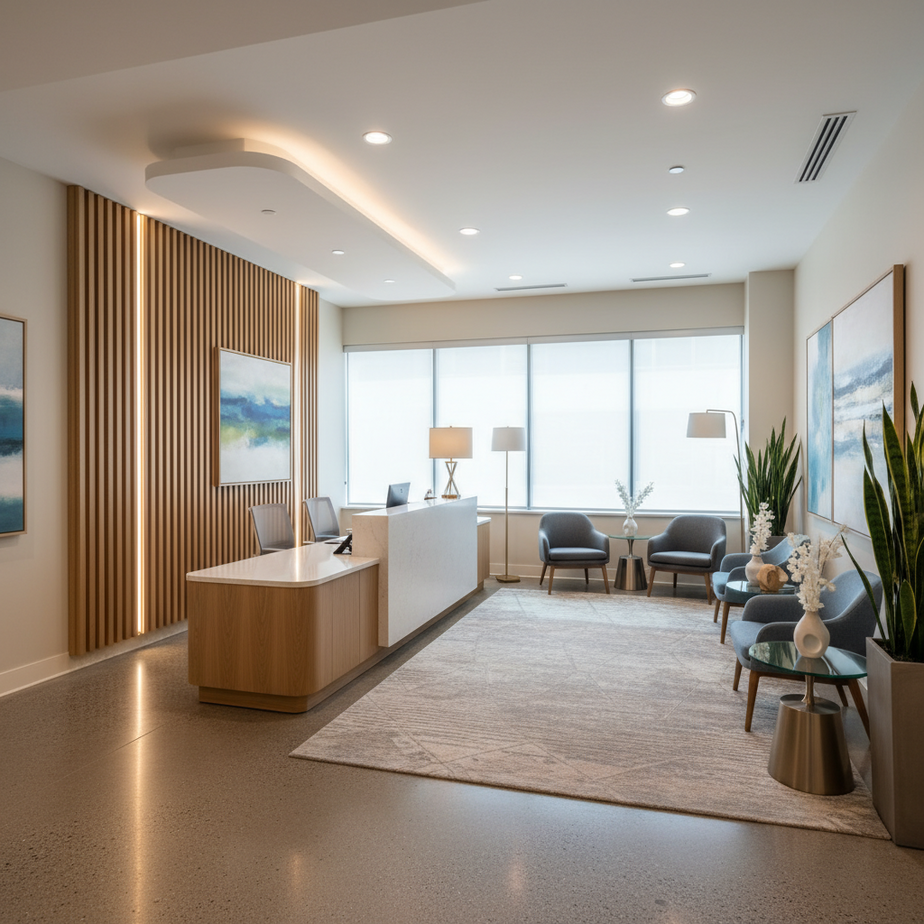
Doctor’s Office Design Ideas: Modernizing Patient Care
Key Takeaways
- Modern medical office design focuses on patient comfort and efficient workflows.
- Strategic use of natural light, calming colors, and comfortable furniture improves patient experience.
- Flexible, modular spaces and adaptable technology are key trends for 2025.
- Proper planning and the right design partner can prevent costly mistakes and maximize ROI.
In today’s competitive healthcare landscape, a well-designed doctor’s office is more than just aesthetically pleasing – it’s a strategic asset. For doctors, investors, and developers in the San Antonio-Austin corridor and across the US, the design of your medical space directly impacts patient experience, operational efficiency, and ultimately, your bottom line. Outdated layouts, poor lighting, and inefficient workflows can lead to patient dissatisfaction, staff frustration, and lost revenue.
The opportunity lies in transforming your medical office into a modern, patient-centric environment that fosters healing and enhances productivity. By incorporating the latest doctor’s office design ideas, you can create a space that not only attracts and retains patients but also optimizes staff performance and streamlines operations. This article explores key design trends, common pitfalls to avoid, and actionable strategies for creating a successful medical office space. From space planning to material selection, we’ll guide you through the essential elements of modern medical office design, ensuring your practice is well-positioned for success in 2025 and beyond. Prestige 360 specializes in turnkey solutions for commercial interior design within a 100-mile radius of San Antonio, and we’re here to help you every step of the way.
What is Modern Doctor’s Office Design?
Modern doctor’s office design is more than just aesthetics; it’s a holistic approach to creating a healing and efficient environment for patients and staff alike. It encompasses everything from space planning and layout to the selection of materials, colors, and technology. The core principle revolves around patient-centricity, aiming to reduce anxiety, improve comfort, and enhance the overall experience. It also prioritizes workflow optimization for medical professionals, ensuring a seamless and productive work environment. This might involve strategic room placement, efficient use of space, and incorporating technology to streamline administrative tasks and patient care.
In today’s healthcare landscape, where patient expectations are constantly evolving, a well-designed doctor’s office is a critical asset. It directly impacts patient satisfaction, brand perception, and even patient safety. Research indicates that modern medical office design, including stylish décor and comfortable facilities, can positively influence patient well-being. Furthermore, incorporating elements like natural light, calming colors, and comfortable waiting areas can significantly reduce patient stress and improve focus. From flexible modular rooms that convert from exam to telehealth in minutes to patient-controlled lighting and temperature, modern design is about adaptability and personalization. By strategically planning your space planning, you ensure an efficient and welcoming environment for all.
Benefits of Modern Doctor’s Office Design for Patient Care
Investing in modern doctor’s office design yields substantial benefits that extend far beyond mere aesthetics. The primary advantage is an improved patient experience. By creating a welcoming and calming environment, you can alleviate patient anxiety and foster a stronger sense of trust. This, in turn, can lead to better patient compliance and overall health outcomes. Modern design principles, such as incorporating natural light and noise-reducing materials, contribute to a more comfortable and less stressful atmosphere. Furthermore, a well-designed reception area can dramatically improve patient flow and reduce perceived wait times, minimizing frustration and maximizing satisfaction. By focusing on patient comfort, practices can enhance their reputation and attract new patients.
From an operational standpoint, modern design enhances efficiency and productivity. Strategic layout design optimizes workflow, allowing staff to move seamlessly between tasks and patients. This reduces wasted time and improves overall throughput. Incorporating technology, such as electronic health record (EHR) systems and telehealth capabilities, further streamlines processes and improves communication. Moreover, a well-designed office can contribute to staff well-being. Comfortable break rooms, ergonomic workstations, and adequate lighting can reduce fatigue and improve morale, leading to increased job satisfaction and reduced employee turnover. Ultimately, investing in modern doctor’s office design translates to a tangible return on investment (ROI) through increased patient satisfaction, improved staff productivity, and a stronger brand image.
How Doctor’s Office Design Works: The Process
Embarking on a doctor’s office design project involves a structured process that ensures the final result aligns with your specific needs and goals. The initial phase typically involves a thorough consultation and needs assessment. This is where you’ll collaborate with experienced commercial interior designers like Prestige 360 to define your vision, budget, and functional requirements. Key considerations include patient volume, the types of services offered, and the desired brand image. Next comes space planning and layout design, where the design team creates detailed blueprints that optimize patient flow, staff efficiency, and accessibility. This phase also includes selecting appropriate materials, finishes, and furniture that meet both aesthetic and functional requirements. This could be a good time to think about restaurant design principles for waiting areas, to maximize customer comfort.
Once the design is finalized, the project moves into the construction and fit-out phase. This involves coordinating with contractors, managing timelines, and ensuring compliance with all relevant building codes and regulations. Permitting is a critical aspect of this phase, and it’s essential to work with a team that has experience navigating the local regulatory landscape. Finally, the project culminates in the installation of furniture, fixtures, and equipment, followed by a thorough inspection and handover. Throughout the process, clear communication and collaboration are paramount to ensure a successful outcome. Prestige 360 offers turnkey solutions, managing every aspect of the project from concept to opening, ensuring a seamless and stress-free experience for our clients.
Doctor’s Office Design in San Antonio & Central Texas: Local Market Insights
The San Antonio-Austin corridor, including the Texas Hill Country towns of Boerne, New Braunfels, and San Marcos, is experiencing rapid growth, making strategic doctor’s office design more critical than ever for healthcare providers in the region. As the population expands, competition intensifies, and patients have more choices. A well-designed office can be a significant differentiator, attracting new patients and retaining existing ones. Moreover, the unique demographics of the area, with a mix of families, retirees, and young professionals, require a design approach that caters to diverse needs and preferences. Natural light, calming colors, and comfortable seating are essential for creating a welcoming environment for all patient groups.
For medical practices in the San Antonio area and within a 100-mile radius, understanding local market trends is crucial. This includes staying informed about evolving patient expectations, emerging technologies, and regulatory changes. For instance, there’s a growing demand for telehealth services, which necessitates incorporating dedicated spaces and technologies into the office design. Additionally, accessibility is a key consideration, ensuring that the office is compliant with the Americans with Disabilities Act (ADA) and caters to patients with mobility challenges. Prestige 360 understands the unique nuances of the Central Texas market and can provide tailored design solutions that meet the specific needs of your practice. Consider how retail design principles can improve the customer experience in your clinic. We offer comprehensive services, including space planning, interior design, and turnkey solutions, to help you create a modern, efficient, and patient-centric doctor’s office.
Common Mistakes to Avoid in Your Doctor’s Office Design
Designing a modern and efficient doctor’s office requires careful planning and attention to detail. Overlooking key aspects can lead to inefficiencies, patient dissatisfaction, and ultimately, a negative impact on your practice’s bottom line. Here are some common mistakes to avoid:
- Ignoring Patient Flow: A poorly designed layout can create bottlenecks and confusion, leading to longer wait times and frustrated patients. Ensure a smooth, intuitive flow from reception to examination rooms.
- Neglecting the Waiting Area: The waiting area is the first impression patients have of your practice. A cramped, uncomfortable, or outdated waiting room can negatively impact their perception of your care. Invest in comfortable seating, calming décor, and engaging distractions like reading material or a television.
- Using Generic, Uninspired Design: Bland, sterile environments can feel cold and unwelcoming. Incorporate color, natural light, and biophilic elements to create a more calming and inviting atmosphere. Avoid the typical white and neutral medical office colors and add splashes of color to the rooms.
- Forgetting Future Needs: Medical practices evolve. Design your office with flexibility in mind to accommodate future growth, new technologies, and changing patient needs. Consider modular designs and adaptable spaces.
- Hiring the Wrong Design Professional: Using a general commercial architect instead of a firm specializing in medical office design can lead to costly errors. Medical spaces have unique requirements regarding patient flow, infection control, and accessibility. Choose a design partner with specific experience in the healthcare sector.
Frequently Asked Questions About Doctor’s Office Design
What are the office layout trends for 2025?
Office layout trends for 2025 emphasize flexibility, patient-centric design, and technology integration. Expect to see more modular rooms that can convert for different uses, decentralized workstations, and designs that promote a smooth patient flow. Natural light and calming common areas are also key trends.
How to design a doctor’s office?
Designing a doctor’s office involves careful planning of space, patient flow, and aesthetics. Start by defining your practice’s needs, considering the number of exam rooms, staff workstations, and patient waiting areas. Prioritize patient comfort, accessibility, and a calming environment. Partnering with a design firm experienced in medical office interiors ensures a functional and visually appealing space.
What are the healthcare design trends for 2026?
Healthcare design trends for 2026 will likely continue to focus on patient experience, technology, and sustainability. This includes incorporating telehealth capabilities, using antimicrobial materials, and creating spaces that promote wellness and reduce stress. Expect to see more integration of nature and emphasis on creating healing environments.
How much does it cost to build out a medical office?
The cost to build out a medical office varies depending on location, size, and complexity of the project. Fit-out costs can average around $412 per square foot in 2025, making strategic budget planning essential. Factors influencing cost include materials, labor, permitting, and specialized equipment.
How much does office interior design cost?
Office interior design costs depend on the scope of the project, the designer’s experience, and the materials used. Some designers charge a flat fee, while others bill hourly or as a percentage of the total project cost. It’s best to get a detailed quote from several designers to compare pricing and services.
What are the key considerations for ADA compliance in a doctor’s office design?
ADA compliance is crucial for ensuring accessibility for all patients. Key considerations include providing accessible entrances, ramps, and elevators; ensuring doorways and hallways are wide enough for wheelchairs; installing grab bars in restrooms; and providing accessible examination tables. Working with an experienced design firm helps ensure full compliance.
How can technology be integrated into a doctor’s office design?
Technology integration is essential for modern medical practices. This includes incorporating telehealth capabilities, providing Wi-Fi access for patients, installing electronic health record (EHR) systems, and using digital signage for wayfinding and patient education. Consider the placement of outlets and network connections to support these technologies.
Conclusion: Elevating Patient Care Through Thoughtful Design
Investing in thoughtful doctor’s office design is an investment in your practice’s success. By prioritizing patient comfort, optimizing workflow, and incorporating modern design trends, you can create a welcoming and efficient environment that enhances the patient experience and improves outcomes. From space planning and layout design to turnkey solutions and 3D visualization, every detail contributes to a positive and lasting impression.
Ready to transform your medical office into a space that reflects your commitment to quality care? We offer comprehensive commercial interior design services, covering everything from initial concept to final opening. We specialize in creating modern, functional, and aesthetically pleasing medical spaces throughout San Antonio, Austin, and the surrounding 100-mile radius of the Texas Hill Country. Schedule a Free Consultation today and let us help you create a doctor’s office that elevates patient care and supports your practice’s growth.