

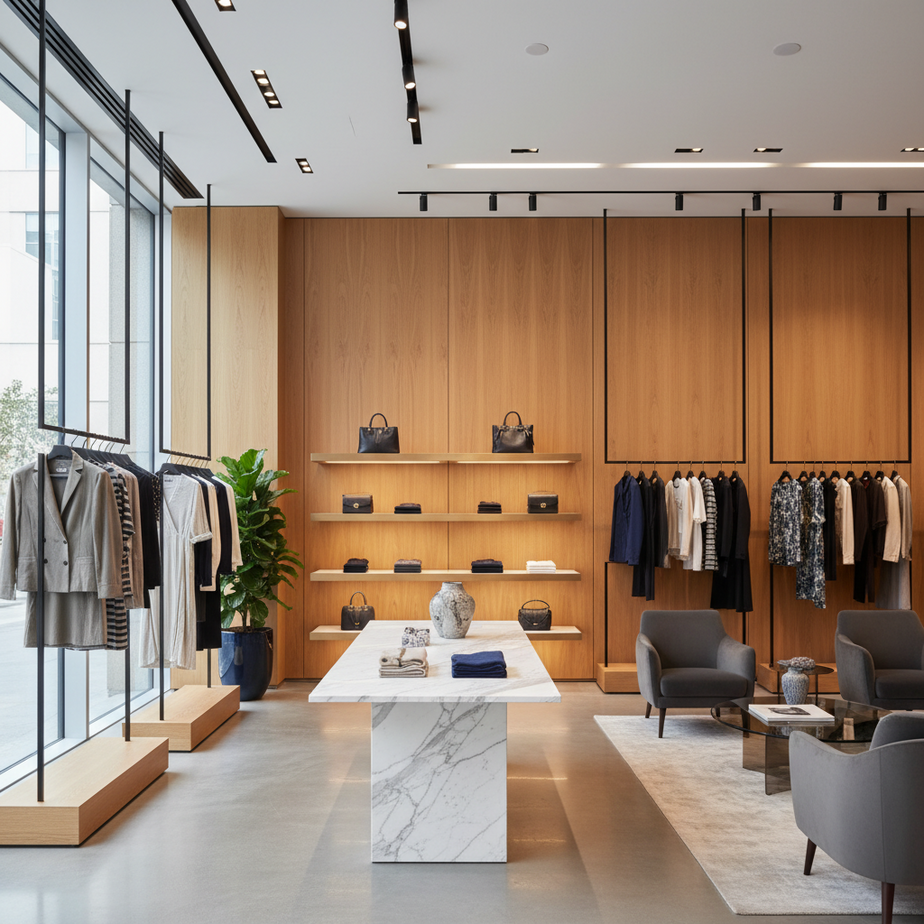
Retail Design Architect: Boost Your ROI in 2025
Key Takeaways
- Investing in a strategic retail design significantly impacts customer experience and drives sales.
- The right retail design architect balances aesthetics with functionality for optimal ROI.
- Staying ahead of 2025’s retail design trends is crucial for attracting and retaining customers.
- Prestige 360 offers turnkey retail design solutions, from concept to grand opening, serving the San Antonio-Austin corridor.
In the competitive retail landscape of 2025, a well-designed store is more than just visually appealing – it’s a strategic asset that directly impacts your bottom line. Are you maximizing your retail space’s potential? A poorly designed store can lead to reduced customer engagement, lower dwell time, and ultimately, lost sales. Conversely, a thoughtfully designed environment enhances the brand experience, encourages purchases, and fosters customer loyalty.
The San Antonio-Austin corridor, including vibrant markets like Boerne, New Braunfels, and San Marcos, presents unique opportunities for retailers who understand the power of effective design. But how do you navigate the complexities of retail design and find the right partner to bring your vision to life? This comprehensive guide explores the critical role of a retail design architect, common design pitfalls, and how Prestige 360, serving a 100-mile radius around San Antonio, can provide turnkey solutions to elevate your brand and drive ROI. We’ll cover the latest trends, cost considerations, and essential strategies for creating a retail space that captivates customers and maximizes profitability.
What is a Retail Design Architect?
A retail design architect is a specialized professional who focuses on the art and science of designing commercial spaces for retail businesses. Unlike general architects, they possess a deep understanding of consumer behavior, branding, and merchandising strategies. Their primary goal is to create retail environments that not only look visually appealing but also drive sales and enhance the overall customer experience. A retail design architect considers factors such as store layout, lighting, traffic flow, and display design to optimize the space for profitability. They are essential partners for business owners looking to create or renovate retail spaces that align with their brand identity and target audience.
In today’s competitive market, a well-designed retail space can be a significant differentiator. A retail design architect brings expertise in space planning, ensuring efficient use of square footage while creating an inviting atmosphere. They also understand the importance of visual hierarchy, guiding customers through the store and highlighting key products. By carefully considering these elements, a retail design architect helps businesses avoid common pitfalls like cluttered layouts, poor lighting, and inconsistent branding, which can negatively impact sales and customer engagement.
The role of a retail design architect extends beyond aesthetics. They are also knowledgeable about building codes, accessibility requirements, and sustainability practices. This comprehensive approach ensures that the retail space is not only visually appealing but also functional, safe, and compliant with regulations. As the retail landscape continues to evolve, the expertise of a retail design architect becomes increasingly valuable for businesses seeking to create memorable and profitable shopping experiences.
Benefits of a Retail Design Architect for Your Business
Engaging a retail design architect offers a multitude of benefits that directly impact your bottom line. One of the most significant advantages is increased sales. A well-designed store layout, optimized traffic flow, and strategic product placement can encourage customers to browse longer and purchase more. By creating a visually appealing and easy-to-navigate space, you can reduce visual fatigue and improve product focus, ultimately leading to higher conversion rates.
Beyond sales, a retail design architect can enhance your brand experience. The design of your store is a powerful tool for communicating your brand’s values and personality. A skilled architect can create a space that reflects your brand identity, attracting your target audience and fostering customer loyalty. This is especially crucial in today’s market, where consumers are increasingly seeking authentic and memorable experiences. Prestige 360 understands the importance of this and can help you translate your brand into a physical space that resonates with your customers. Consider how proper restaurant design can create a better atmosphere for your customers.
Furthermore, a retail design architect can help you avoid costly mistakes. Poorly designed retail spaces can lead to decreased sales, negative customer feedback, and the need for expensive renovations. By partnering with an architect early in the process, you can proactively address potential issues and ensure that your retail space is optimized for success. They can also help you navigate the permitting process, ensuring compliance with local regulations and avoiding costly delays. In 2025, architects’ fees generally range from 5% to 20% of total construction costs or $100 to $300 per hour, but the ROI from increased sales and brand equity far outweighs the investment.
How Retail Design Works: The Design Process
The process of working with a retail design architect typically involves several key phases, starting with an initial consultation to understand your business goals, brand identity, and target audience. This phase includes gathering information about your products, services, and competitive landscape. The architect will also assess your existing space (if applicable) and discuss your budget and timeline.
Next comes the concept development phase, where the architect translates your vision into a design concept. This may involve creating mood boards, sketches, and 3D visualizations to illustrate the proposed design. The architect will consider factors such as store layout, lighting, color palettes, and material selection to create a cohesive and visually appealing space. This is also the time to consider the importance of space planning to maximize your retail space.
Once the design concept is approved, the architect will develop detailed construction documents, including floor plans, elevations, and specifications for all materials and finishes. These documents serve as a guide for the construction team and ensure that the design is executed accurately. The architect may also assist with the selection of contractors and oversee the construction process to ensure quality and adherence to the design. Throughout the process, communication and collaboration are key. The architect will work closely with you to address any questions or concerns and ensure that the final design meets your needs and expectations. Consider Prestige 360 for your retail design needs.
Retail Design in San Antonio & Central Texas: Local Market Insights
The San Antonio-Austin corridor, including the Texas Hill Country, is experiencing rapid growth, making it a prime location for retail businesses. This growth presents both opportunities and challenges for retailers. A well-designed retail space can help you stand out from the competition and attract customers in this dynamic market. Understanding local consumer preferences and incorporating regional design elements can further enhance your appeal.
In this region, where community and local identity are valued, a retail design architect can help you create a space that resonates with the local culture. This might involve incorporating natural materials, showcasing local artists, or creating a welcoming atmosphere that encourages social interaction. Furthermore, an understanding of local building codes and permitting processes is crucial for a smooth and efficient project. Prestige 360 has extensive experience in the San Antonio and Central Texas area, offering turnkey solutions from concept to opening within a 100-mile radius of San Antonio.
Nationally, retail design trends are evolving to prioritize flexibility, sustainability, and technology integration. Flexible pop-up spaces are gaining popularity, allowing retailers to adapt to changing market conditions and experiment with new concepts. Digital touchpoints, such as interactive displays and mobile payment options, are enhancing the customer experience. By staying informed about these national trends and adapting them to the local context, you can create a retail space that is both modern and relevant. Whether you’re repositioning an existing property or developing a new retail concept, a retail design architect can help you maximize your ROI in the San Antonio-Austin corridor. Contact us for more information on our services and see how we can help you bring your project to life. You can also visit our thank you page to learn more about our commitment to customer satisfaction.
Common Mistakes to Avoid
Effective retail design isn’t just about aesthetics; it’s about creating an environment that drives sales and enhances the customer experience. Avoiding common pitfalls is crucial for maximizing your ROI. Here are some key mistakes to steer clear of:
- Cluttered Store Layout: A confusing or overcrowded layout can overwhelm customers and make it difficult to find what they’re looking for. Ensure a clear and intuitive flow that guides shoppers through your store.
- Poor Lighting: Inadequate or harsh lighting can negatively impact the mood and visibility of your merchandise. Invest in a lighting scheme that highlights key products and creates a welcoming ambiance.
- Lack of Visual Hierarchy: Failing to prioritize and showcase your most important products can lead to missed sales opportunities. Use strategic displays and signage to draw attention to featured items and promotions.
- Inconsistent Branding: A disjointed brand experience can confuse customers and dilute your brand identity. Ensure consistency in your store’s design, signage, and overall atmosphere to reinforce your brand message.
- Ignoring Traffic Flow: Poor traffic flow leads to customer frustration and reduced dwell time. Analyze how customers naturally navigate your space and optimize the layout to encourage browsing and discovery.
Frequently Asked Questions
How to calculate architectural design fees?
Architectural design fees can be calculated in several ways, including a percentage of the total construction cost (typically 5% to 20%), hourly rates ($100 to $300), or a fixed fee. The method depends on the project’s scope, complexity, and the architect’s experience.
What are the 3 C’s of architecture?
While the ‘3 C’s’ aren’t a universally defined term in architecture, they can be interpreted as Creativity, Collaboration, and Constructability. Creativity drives innovative design, collaboration ensures alignment with the client’s vision, and constructability guarantees practical and efficient implementation.
How much should I expect to pay for an architect?
The cost of hiring an architect varies widely based on the project’s size, complexity, and the architect’s experience. Expect to pay anywhere from $2,000 for small projects to tens of thousands for large-scale commercial developments. Hourly rates typically range from $125 to $250.
What is the average price for an architect?
The average price for an architect can range from $2 to $15 per square foot, or $100 to $300 per hour. Fixed fees for design services can vary from $500 to $5,000, depending on the project’s scale and complexity. It’s best to get quotes from several architects to compare pricing.
What is the biggest issue facing retail right now?
One of the biggest issues facing retail is adapting to changing consumer behaviors and expectations. Retailers need to create engaging in-store experiences that complement online shopping, leverage technology to enhance the customer journey, and optimize their physical spaces for efficiency and flexibility. Another key challenge is supply chain disruptions and rising costs.
What are the key elements of successful retail store design in 2025?
In 2025, successful retail design prioritizes customer experience, incorporating elements like flexible layouts, digital touchpoints, and immersive storytelling. Rich, warm tones, bold textures, and sustainable materials are also trending. The goal is to create a memorable and engaging environment that fosters brand loyalty.
How can a retail design architect help improve my ROI?
A skilled retail design architect can optimize your store layout for maximum sales, create a compelling brand experience that attracts and retains customers, and incorporate cost-effective design solutions. They can also help with permitting and tenant improvements, ensuring a smooth and efficient project execution. Ultimately, this translates to increased revenue and a higher return on investment.
Conclusion
Investing in a skilled retail design architect is an investment in your business’s future. By understanding the latest trends, avoiding common mistakes, and prioritizing the customer experience, you can create a retail space that not only looks great but also drives sales and enhances your brand. From optimizing space planning to incorporating cutting-edge technology, a strategic approach to retail design is essential for success in today’s competitive market.
For businesses in San Antonio, Austin, and the surrounding Texas Hill Country, including Boerne, New Braunfels, and San Marcos, Prestige 360 offers comprehensive commercial interior design services tailored to your specific needs. Our turnkey solutions cover everything from initial concept to final opening, ensuring a seamless and stress-free process. We serve a 100-mile radius around San Antonio and are ready to help you create a retail space that maximizes your ROI. Don’t let outdated design hold back your business potential. Consider how RV resort design and strategic remodels can boost your bottom line.
Ready to transform your retail space and boost your ROI? Schedule a Free Consultation with Prestige 360 today and discover how our expert team can help you achieve your business goals. We also specialize in commercial interior design and property repositioning to maximize your investment.