

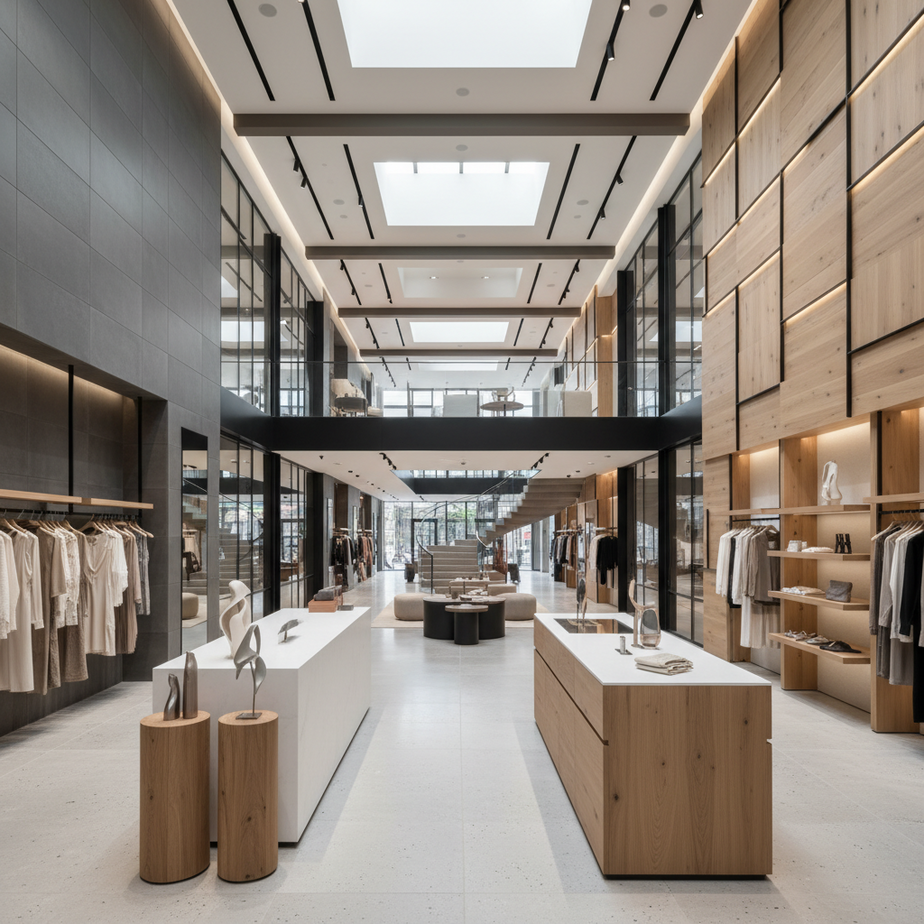
Do You Need a Retail Design Architect? Costs, Trends & More
Key Takeaways
- A retail design architect is crucial for creating a functional, visually appealing, and brand-aligned store that maximizes ROI.
- Understanding the difference between an architect and an interior designer ensures you hire the right professional for your project.
- Retail architecture costs vary based on project scope; expect to pay a percentage of construction costs or hourly fees.
- Stay ahead of the curve with 2025 retail design trends, including flexible layouts, digital integration, and experiential elements.
- Finding a local retail design architect is easier when you know where to look and what to ask.
In the competitive retail landscape, creating a memorable and effective shopping experience is paramount. A well-designed retail space not only attracts customers but also enhances brand perception and drives sales. But when do you need a retail design architect to bring your vision to life? Whether you’re launching a new store, renovating an existing one, or repositioning a commercial property, understanding the role of a retail design architect is crucial for success.
This comprehensive guide answers all your questions about retail design architects. We’ll explore when their expertise is essential, clarify the difference between architects and interior designers, and provide insights into the costs involved. Plus, we’ll dive into the latest retail architecture trends shaping the industry in 2025 and offer practical advice on finding the right architect for your project. For businesses in the San Antonio-Austin corridor, including Boerne, New Braunfels, and San Marcos, this information is especially valuable as you seek to create a standout brand experience within the dynamic Texas market. Prestige 360 proudly serves a 100-mile radius around San Antonio, offering turnkey solutions for commercial interior design.
By the end of this article, you’ll have a clear understanding of whether you need a retail design architect and how to navigate the process effectively, ensuring your retail space is both aesthetically pleasing and commercially successful.
Is It Time? Key Scenarios for Engaging a Retail Design Architect
Knowing when to bring in a retail design architect is crucial for maximizing your investment and ensuring a successful project. The need arises whenever you’re undertaking a significant change to your retail space that impacts its structure, layout, or overall customer experience. This could be anything from building a new store from the ground up to a major renovation of an existing location, or even repositioning a commercial property to attract a new type of tenant.
New Construction & Ground-Up Builds: If you’re developing a new retail space, an architect is essential. They’ll handle everything from initial design concepts and blueprints to navigating complex permitting processes and ensuring the building meets all relevant codes and regulations. Their expertise guarantees a functional and aesthetically pleasing space that aligns with your brand.
Major Renovations & Expansions: Expanding your existing space or undertaking a significant renovation requires an architect’s touch. They can assess the structural integrity of the building, design the new layout to optimize flow and functionality, and manage the construction process to minimize disruption to your business. This is particularly important for projects involving tenant improvements, where you need to adapt a space to meet the specific needs of your retail operation.
Repositioning & Value-Add Projects: If you’re looking to reposition a commercial property to attract retail tenants or increase its value, a retail design architect can play a vital role. They can assess the existing space, identify opportunities for improvement, and develop a design that makes the property more appealing to potential tenants. Think about outdated shopping centers that need a modern facelift – an architect can provide the vision and expertise to transform the space.
Complex Tenant Improvements: Even within an existing structure, complex tenant improvements often necessitate an architect. This is especially true when modifications involve structural changes, significant alterations to the building’s systems (HVAC, electrical, plumbing), or compliance with accessibility requirements (ADA). Their involvement ensures the project meets all regulatory requirements and is executed safely and efficiently.
Retail Architect vs. Interior Designer: Defining Roles and Responsibilities
While both retail architects and interior designers contribute to the look and feel of a retail space, their roles and responsibilities differ significantly. Understanding these distinctions is critical for assembling the right team for your project. The key difference lies in the scope of their expertise: architects focus on the structure and functionality of the building itself, while interior designers concentrate on the aesthetics and user experience within that structure.
Retail Architect: The Structural Foundation A retail architect is a licensed professional responsible for the overall design and construction of a building. Their work encompasses everything from site planning and structural engineering to ensuring compliance with building codes and regulations. They create the blueprints, oversee the construction process, and ensure the building is safe, functional, and meets the client’s needs. Think of them as the master planners of the physical space. In San Antonio and Austin, navigating local building codes is critical, and an experienced architect is invaluable.
Interior Designer: The Brand Experience Curator An interior designer, on the other hand, focuses on the interior environment. They select finishes, furnishings, lighting, and other decorative elements to create a visually appealing and functional space that aligns with the brand’s identity. They consider factors like customer flow, product placement, and the overall atmosphere to enhance the shopping experience. For example, Prestige 360 specializes in creating immersive brand experiences through interior design that resonates with customers and drives sales. Consider our retail design services.
Collaboration is Key Ideally, a retail architect and interior designer should work closely together from the outset of a project. The architect ensures the building’s structure and systems can accommodate the interior designer’s vision, while the interior designer provides valuable insights into how the space will be used and experienced by customers. This collaborative approach leads to a more cohesive and successful retail environment.
Example Scenario: Restaurant Design Consider a new restaurant build. The architect handles the building’s structural design, ensuring it meets safety codes and has adequate space for the kitchen and dining areas. The interior designer then comes in to create the restaurant’s ambiance, selecting furniture, lighting, and decor that reflect the restaurant’s brand and create a welcoming atmosphere for diners. See our restaurant design services for more information.
Decoding the Costs: What to Expect When Hiring a Retail Design Architect
Understanding the costs associated with hiring a retail design architect is essential for budgeting and planning your project. Architectural fees vary depending on several factors, including the scope of the project, the complexity of the design, the architect’s experience, and the location of the project. In general, you can expect to pay between 5% and 20% of the total construction cost for architectural services.
Common Fee Structures: Architects typically use one of several fee structures:
- Percentage of Construction Cost: This is the most common method, where the architect’s fee is calculated as a percentage of the total cost to build the project. For example, if the construction cost is $500,000 and the architect’s fee is 10%, the total fee would be $50,000.
- Hourly Rate: Some architects charge an hourly rate for their services. This is often used for smaller projects or when the scope of work is difficult to define upfront. Hourly rates can range from $100 to $300 or more, depending on the architect’s experience and location.
- Fixed Fee: A fixed fee is a set price for the entire project. This is a good option if you have a well-defined scope of work and want to know the exact cost upfront.
- Cost Per Square Foot: This method calculates the fee based on the square footage of the project. This is less common for retail projects but can be used in some cases.
Additional Costs to Consider: In addition to the architect’s fees, you should also factor in other costs, such as permitting fees, engineering fees, and consultant fees. These costs can vary depending on the location and complexity of the project.
Value Beyond the Cost: While architectural fees can seem significant, it’s important to remember the value that an architect brings to the project. A skilled architect can help you optimize your space, improve its functionality, and create a visually appealing environment that attracts customers and drives sales. They can also help you navigate the complex permitting process and ensure your project meets all relevant codes and regulations, saving you time and money in the long run. Consider the value of professional space planning to maximize ROI.
Initial Consultation Fees: Be aware that some firms charge initial consultation fees, ranging from $100 to $200. This covers the architect’s time to assess your project and discuss your needs.
Retail Architecture in 2025: Emerging Trends and Innovative Designs
The retail landscape is constantly evolving, and retail architecture must adapt to meet the changing needs and expectations of consumers. In 2025, several key trends are shaping the design of retail spaces, focusing on creating engaging, personalized, and seamless shopping experiences. Here are some of the most prominent trends and innovations:
Experiential Retail: Customers are increasingly seeking experiences rather than just products. Retail spaces are being designed to offer interactive displays, workshops, events, and other engaging activities that draw customers in and create memorable moments. This trend emphasizes creating destinations that foster a sense of community and connection.
Technology Integration: Technology is playing an increasingly important role in retail design. Digital touchpoints, such as interactive kiosks, augmented reality (AR) displays, and personalized product recommendations, are being integrated into the store environment to enhance the shopping experience. This also includes seamless checkout processes and data analytics to optimize store layout and product placement.
Flexibility and Adaptability: Retail spaces need to be flexible and adaptable to accommodate changing trends and customer preferences. Modular designs, pop-up shops, and adaptable layouts allow retailers to quickly reconfigure their space to showcase new products, host events, or respond to seasonal changes. This agility is crucial for staying relevant in a fast-paced market.
Sustainability and Biophilic Design: Sustainability is becoming a major consideration for retailers and consumers alike. Retail spaces are being designed with eco-friendly materials, energy-efficient lighting, and natural elements to reduce their environmental impact and create a healthier, more inviting atmosphere. Biophilic design, which incorporates natural light, greenery, and organic materials, is also gaining popularity for its positive impact on customer well-being.
Personalization and Customization: Customers expect personalized experiences that cater to their individual needs and preferences. Retail spaces are being designed to offer customized product displays, personalized recommendations, and interactive experiences that allow customers to create their own unique products or services. This level of personalization enhances customer engagement and fosters brand loyalty.
Common Mistakes to Avoid in Retail Design
Creating a successful retail space requires careful planning and attention to detail. Here are some common mistakes to avoid:
- Poor Visual Hierarchy: A lack of clear visual cues can overwhelm customers. Ensure a logical flow that guides shoppers through the store, highlighting key products and promotions.
- Neglecting the Customer Experience: Design should always prioritize the customer. Avoid layouts that are difficult to navigate, displays that are hard to reach, or environments that are uncomfortable.
- Ignoring Inventory Turnover: Design should accommodate inventory needs. Overlooking how quickly products move can lead to cluttered displays or insufficient storage, impacting sales and operational efficiency.
- Inadequate Lighting: Lighting sets the mood and highlights products. Poor lighting can make a store feel uninviting or obscure merchandise. Use a combination of ambient, accent, and task lighting to create an appealing and functional environment.
- Failing to Inspect the Facility: Before starting any design project, conduct a thorough inspection of the existing space. Overlooking structural issues, code violations, or accessibility problems can lead to costly delays and complications.
Frequently Asked Questions
What are the new retail concepts in 2025?
Retail in 2025 emphasizes experiential shopping, blending physical and digital elements. Expect to see more flexible pop-up spaces, personalized shopping experiences driven by data, and a focus on creating a strong brand narrative within the store environment. This also includes incorporating sustainable practices and circular layouts.
What are the retail design trends in 2026?
While anticipating specific trends for 2026, expect a continuation of the 2025 trends. This includes a greater emphasis on immersive experiences, advanced technology integration for seamless shopping, and adaptable store designs that can quickly respond to changing consumer preferences. Sustainability and ethical sourcing will also play a more significant role.
Is there a shortage of architects in the USA?
The availability of architects can fluctuate based on economic conditions and regional demand. Keep in mind that finding an architect with specific retail design experience in your area might require some research and planning. Start your search early to secure the right talent for your project.
What are some common design mistakes you’ve learned to avoid?
One key lesson is the importance of understanding the customer journey. It’s crucial to create a space that is intuitive and engaging, guiding customers effortlessly through the store. Failing to consider the flow of traffic and the placement of key merchandise can significantly impact sales.
What are some things to avoid in graphic design?
In graphic design, avoid cluttered layouts, inconsistent branding, and using fonts that are difficult to read. Ensure that your visual communication is clear, concise, and aligned with your brand identity to create a positive and memorable impression. Remember that less is often more.
How do architect fees typically work?
Architects’ fees can vary widely, typically ranging from 5% to 20% of the total construction cost, or billed hourly. The fee structure depends on the project’s scope, complexity, and the architect’s experience. It’s crucial to discuss and agree on a fee structure upfront to avoid surprises.
What is the difference between tenant improvement and commercial property repositioning?
Tenant improvement focuses on customizing an existing commercial space to meet the specific needs of a tenant, while commercial property repositioning involves a broader strategy to enhance the value and appeal of a property, potentially attracting new tenants or increasing revenue. Prestige 360 specializes in both, offering services from minor office renovations to complete property overhauls.
Conclusion
Deciding whether you need a retail design architect depends on the complexity and scope of your project. While interior designers can handle many aspects of retail design, an architect brings expertise in structural integrity, code compliance, and overall building design. By understanding the roles, costs, and latest trends, you can make an informed decision that aligns with your business goals and budget.
For businesses in the San Antonio-Austin corridor, including Boerne, New Braunfels, and San Marcos, Prestige 360 offers comprehensive commercial interior design services. Our turnkey solutions cover everything from initial concept to opening day, ensuring a seamless and successful project. Whether you’re planning a new store, renovating an existing space, or repositioning a commercial property, we can transform your vision into reality.
Ready to elevate your retail space and create a lasting brand experience? Schedule a Free Consultation with Prestige 360 today. We proudly serve clients within a 100-mile radius of San Antonio, TX.