

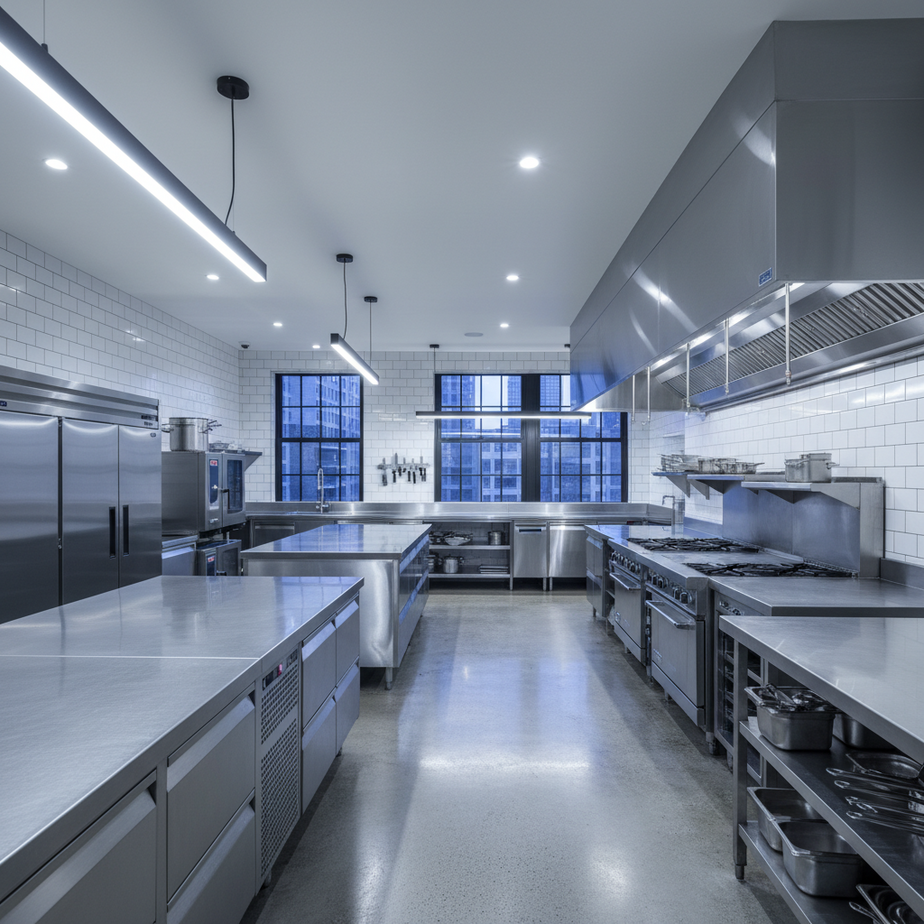
Commercial Kitchen Remodeling: Expert Guide 2025
Key Takeaways
- Strategic commercial kitchen remodeling boosts efficiency, safety, and profitability.
- Budget realistically: Remodels range from cosmetic updates ($10K-$25K) to full guts ($30K+).
- Stay code-compliant: Health, ADA, and fire regulations are critical in Texas.
- Embrace 2025 trends: Smart tech, modular designs, and improved air quality offer competitive advantages.
- Avoid costly mistakes: Plan meticulously, secure proper permits, and prioritize ventilation.
In the competitive culinary landscape of San Antonio, Austin, and the Texas Hill Country, your commercial kitchen is more than just a workspace—it’s the engine driving your restaurant, cafe, or catering business. An outdated or inefficient kitchen can lead to lost revenue, frustrated staff, and a diminished brand experience. But with strategic commercial kitchen remodeling, you can transform your space into a profit-generating powerhouse.
This comprehensive guide, brought to you by Prestige 360, your trusted partner for commercial interior design in the San Antonio area, will equip you with the knowledge to navigate the complexities of a commercial kitchen remodel. We’ll explore the key factors that drive costs, the latest 2025 design trends, and the critical mistakes to avoid. Whether you’re envisioning a minor refresh or a complete overhaul, this guide will provide you with the insights you need to make informed decisions and maximize your return on investment. From initial space planning to final permitting, Prestige 360 offers turnkey solutions tailored to the unique needs of businesses within a 100-mile radius of San Antonio. Let’s get started.
What is Commercial Kitchen Remodeling?
Commercial kitchen remodeling involves renovating or upgrading an existing kitchen space in a restaurant, cafe, hotel, or any other food service establishment. Unlike a residential kitchen remodel, a commercial project must adhere to stringent health and safety codes, ADA (Americans with Disabilities Act) requirements, and fire regulations. It’s not just about aesthetics; it’s about creating a functional, efficient, and compliant workspace that optimizes workflow and maximizes productivity.
A successful commercial kitchen remodel considers every aspect of the kitchen, from the layout and equipment to the ventilation and sanitation systems. It might involve a simple cosmetic refresh, such as painting cabinets and replacing appliances, or a complete gut renovation that restructures the entire space. The goal is to create a kitchen that meets the specific needs of the business, supports its menu, and enhances the overall dining experience. Prestige 360 understands that a well-designed kitchen can significantly impact your operational efficiency and bottom line. We specialize in space planning to maximize efficiency and ensure your kitchen supports your business goals.
In 2025, the industry is seeing a rise in trends like smart technology integration, modular designs for flexibility, and increased focus on air quality. These trends reflect a broader shift towards sustainability, efficiency, and employee well-being. A commercial kitchen remodel is an investment in the future of your business, ensuring it remains competitive, compliant, and capable of meeting the evolving demands of the food service industry.
Benefits of Commercial Kitchen Remodeling for Restaurants & Cafes
Investing in commercial kitchen remodeling offers a multitude of benefits for restaurants and cafes, directly impacting their profitability and operational efficiency. One of the primary advantages is improved workflow. A well-designed kitchen layout, optimized through professional space planning, reduces bottlenecks and minimizes wasted movement, allowing staff to prepare food faster and more efficiently. This translates to quicker service and higher customer satisfaction.
Enhanced efficiency is another key benefit. Upgrading to energy-efficient appliances and equipment reduces energy consumption, lowering utility bills and contributing to a more sustainable operation. Modern equipment also often offers improved performance and reliability, minimizing downtime and maintenance costs. By choosing the right wall and floor surfaces, you can also reduce cleaning time and costs.
Beyond operational improvements, remodeling can significantly boost your brand experience. An updated kitchen can create a more positive and productive work environment for your staff, leading to improved morale and reduced employee turnover. A visibly clean and modern kitchen, even if partially visible to customers, can also enhance their perception of your establishment, reinforcing your commitment to quality and hygiene. Furthermore, remodeling provides an opportunity to incorporate the latest design trends and technologies, creating a kitchen that is not only functional but also visually appealing. Prestige 360 understands the importance of creating a cohesive and impactful brand experience, and our restaurant design services are tailored to help you achieve this goal.
How Commercial Kitchen Remodeling Works: The Process
Commercial kitchen remodeling is a multi-stage process that requires careful planning, expert execution, and strict adherence to regulations. The process typically begins with a thorough assessment of the existing kitchen space, including its layout, equipment, and infrastructure. This assessment identifies areas for improvement and helps define the scope of the remodel. It’s crucial to conduct a detailed initial assessment to avoid costly delays and code violations later on.
Next comes the design phase, where architects and designers develop a detailed plan for the remodeled kitchen. This plan includes the layout, equipment specifications, material selections, and compliance with all relevant codes and regulations. 3D visualizations and VR walkthroughs can be invaluable during this stage, allowing you to experience the remodeled kitchen virtually and make informed decisions about the design. Prestige 360 offers comprehensive 3D visualization services to help you visualize your dream kitchen before construction begins.
Once the design is finalized, the permitting process begins. Securing the necessary permits from local authorities is essential to ensure compliance with health, safety, and building codes. This can be a complex and time-consuming process, so it’s important to work with a contractor who has experience navigating the local permitting landscape.
The construction phase involves the actual demolition and rebuilding of the kitchen space. This includes removing old equipment, installing new infrastructure, and fitting out the kitchen with new appliances and fixtures. Throughout the construction process, it’s crucial to maintain strict quality control and ensure that all work is performed to the highest standards.
Finally, the post-construction phase involves inspections, commissioning of equipment, and training of staff on the new kitchen layout and equipment. A final walkthrough is conducted to ensure that all work is completed to the client’s satisfaction and that the kitchen is ready for operation. The process is complex, and Prestige 360 offers turnkey solutions, managing the entire project from concept to opening, ensuring a seamless and stress-free experience.
Commercial Kitchen Remodeling in San Antonio & Central Texas: Local Market Insights
The San Antonio-Austin corridor, including the Texas Hill Country towns of Boerne, New Braunfels, and San Marcos, is experiencing rapid growth, making commercial kitchen remodeling a critical investment for businesses in this region. The influx of new residents and tourists is driving demand for diverse and high-quality dining experiences, placing increased pressure on restaurants and cafes to upgrade their facilities and enhance their operational efficiency.
In this competitive market, a well-designed and efficient kitchen is essential for attracting and retaining customers. Commercial kitchen remodeling allows businesses to optimize their workflows, improve food quality, and create a more appealing dining environment. It also enables them to adapt to changing consumer preferences and incorporate the latest culinary trends.
Moreover, the unique characteristics of the Central Texas region, such as its hot climate and water scarcity, necessitate careful consideration of energy and water efficiency in kitchen design. Upgrading to energy-efficient appliances and water-saving fixtures can significantly reduce operating costs and contribute to a more sustainable business model. Prestige 360 understands the specific challenges and opportunities of the Central Texas market, and our commercial interior design services are tailored to meet the unique needs of businesses in this region. We serve a 100-mile radius around San Antonio, offering local expertise and personalized service.
Nationally, the trend towards smart kitchens and sustainable practices is gaining momentum. Businesses that embrace these trends are not only improving their bottom line but also enhancing their brand image and attracting environmentally conscious customers. By investing in commercial kitchen remodeling, businesses in San Antonio and Central Texas can position themselves for long-term success in this dynamic and evolving market.
Common Mistakes to Avoid
Embarking on a commercial kitchen remodeling project is a significant investment, and avoiding common pitfalls can save you time, money, and frustration. Here are five critical mistakes to steer clear of:
- Inadequate Initial Assessment: A rushed or incomplete assessment of your existing kitchen space can lead to overlooked structural issues, code violations, and inaccurate budget projections. A thorough evaluation, including a review of existing utilities and potential challenges, is essential for a smooth renovation.
- Ignoring Utility Access: Failing to plan for adequate utility access (plumbing, electrical, gas) is a frequent error. Ensure your design accounts for the specific power and water needs of your equipment, and that these utilities are readily accessible and up to code. Repositioning utilities later can be costly and time-consuming.
- Underestimating Ventilation Requirements: Insufficient ventilation is a major safety hazard and a common code violation. Commercial kitchens produce a lot of heat, smoke, and odors. A properly designed ventilation system is crucial for maintaining air quality, preventing grease buildup, and ensuring the comfort of your staff.
- Choosing the Wrong Wall Surface: Selecting inappropriate wall surfaces can lead to hygiene issues and costly repairs. Opt for durable, non-porous materials that are easy to clean and sanitize. Stainless steel, ceramic tiles, and epoxy coatings are popular choices for their resistance to moisture, grease, and bacteria.
- Misplaced Equipment: Poorly placed equipment disrupts workflow and reduces efficiency. Consider the natural flow of food preparation, from receiving to cooking to serving, and arrange your equipment accordingly. Conduct a thorough space planning exercise to optimize movement and minimize bottlenecks.
Frequently Asked Questions
What is the average cost of renovating a kitchen in 2025?
The average cost of a commercial kitchen renovation in 2025 varies widely depending on the scope of the project. You can expect to pay anywhere from $12,000 for a basic remodel to upwards of $100,000 for a complete gut renovation. Factors such as size, complexity, and material choices significantly influence the final price.
What are the 6 types of a commercial kitchen layout?
While the ideal layout depends on the specific needs of the establishment, some common commercial kitchen layouts include the assembly line, island, zone-style, galley, open kitchen, and ergonomic layouts. Each layout offers unique advantages in terms of workflow, space utilization, and equipment placement.
How much does it cost to remodel a commercial kitchen?
Remodeling a commercial kitchen can range from $10,000 for a cosmetic refresh to over $100,000 for a full-scale renovation. Budgets are greatly influenced by the scale, scope, and complexity of the project. Consider factors like new equipment, structural changes, and high-end finishes when estimating costs.
What are common kitchen renovation mistakes?
Common mistakes include inadequate ventilation, improper equipment placement, overlooking code and compliance requirements, and insufficient storage space. A thorough initial assessment and careful planning are crucial to avoid these costly errors.
What is the 3 kitchen rule?
The “3-kitchen rule” refers to the three key areas of a kitchen: food preparation, cooking, and cleaning/dishwashing. Efficiently organizing these zones is crucial for streamlining workflow and maintaining hygiene standards. Optimizing the layout of these zones can significantly improve productivity and reduce the risk of cross-contamination.
What are the most important factors in commercial kitchen design?
Key factors include workflow efficiency, hygiene, safety, compliance with local codes, and durability of materials. A well-designed kitchen should prioritize the seamless movement of staff and ingredients, maintain a clean and sanitary environment, and ensure the safety of workers.
How often should I remodel my commercial kitchen?
The lifespan of a commercial kitchen depends on usage and maintenance, but a major remodel is generally recommended every 10-15 years. However, consider smaller updates or equipment replacements every 5-7 years to maintain efficiency and comply with evolving health and safety regulations. Property repositioning can also be a great value-add.
Conclusion
Commercial kitchen remodeling is a complex undertaking, but with careful planning, the right expertise, and a clear understanding of your goals, you can create a space that enhances efficiency, improves safety, and elevates your brand experience. By understanding industry trends, budgeting accurately, and avoiding common mistakes, you can ensure a successful renovation that delivers a strong return on investment.
Whether you’re envisioning a minor refresh or a complete overhaul, partnering with a seasoned commercial interior design firm is crucial. At Prestige 360, we offer turnkey solutions for commercial kitchen remodeling, serving businesses within a 100-mile radius of San Antonio, including Austin and the Texas Hill Country. Our team of experts will guide you through every step of the process, from initial concept to final opening. Don’t leave your commercial kitchen to chance – ensure success with Prestige 360’s expertise. Schedule a Free Consultation today to discuss your project and discover how we can help you create the perfect commercial kitchen for your business.