

Commercial Renovation Contractor: Your 2025 Guide
Key Takeaways
- Commercial renovation costs range from $50 to $250+ per square foot, depending on the scope and quality of materials.
- Proper planning and budgeting are crucial to avoid costly surprises during your commercial renovation project.
- Selecting the right commercial renovation contractor is paramount; verify experience, references, and insurance.
- Ignoring building codes and permit requirements can lead to significant delays and fines.
- Clear communication and a well-defined scope of work are essential for a successful renovation.
Commercial renovations are a vital investment for businesses looking to modernize their space, improve functionality, and enhance their brand experience. Whether you’re repositioning a property in the heart of San Antonio, upgrading a restaurant in Austin, or developing an RV resort in the Texas Hill Country, selecting the right commercial renovation contractor is paramount to a successful project.
Navigating the complexities of commercial renovation can be daunting. From understanding the true costs involved to avoiding common pitfalls that can derail your timeline and budget, there are numerous factors to consider. This comprehensive guide will equip you with the knowledge you need to confidently approach your commercial renovation project in 2025. We’ll explore the services commercial renovation contractors offer, delve into cost considerations, highlight common mistakes to avoid, and provide actionable insights to ensure your project delivers the desired ROI. Let’s get started and transform your commercial space into a thriving asset.
What is a Commercial Renovation Contractor?
A commercial renovation contractor is a licensed professional or firm specializing in remodeling, renovating, and improving commercial spaces. Unlike residential contractors, they focus on projects for businesses, including offices, retail stores, restaurants, medical facilities, and more. Their expertise spans from minor cosmetic updates to complete structural overhauls.
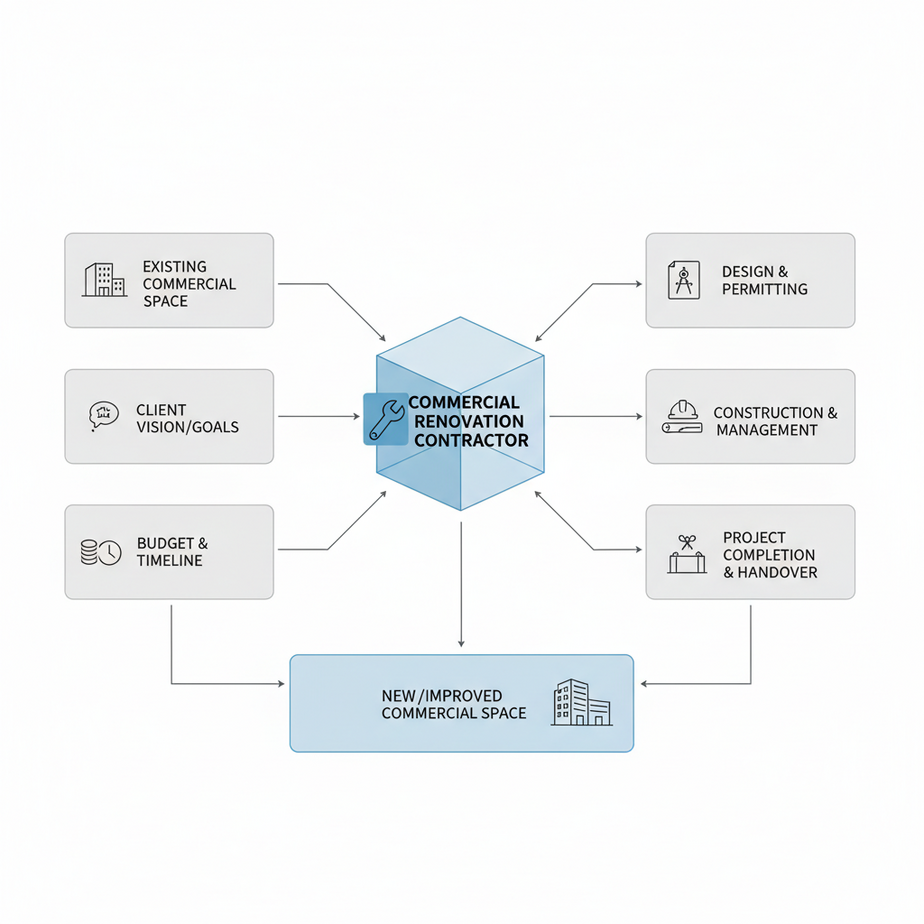
The role of a commercial renovation contractor is multifaceted. It begins with understanding the client’s vision and needs, then translating those into actionable plans. This involves assessing the existing space, developing design concepts, securing necessary permits, managing construction, and ensuring the project adheres to building codes and regulations. A key aspect is coordinating various trades, such as electricians, plumbers, carpenters, and HVAC technicians, to ensure seamless execution.
In today’s dynamic business environment, commercial renovation contractors must stay abreast of the latest trends, technologies, and materials. This includes sustainable building practices, smart building technologies, and innovative design solutions that enhance functionality and aesthetics. The industry is also influenced by evolving building codes and accessibility standards, requiring contractors to maintain up-to-date knowledge to ensure compliance.
The commercial renovation sector is experiencing significant growth, driven by businesses seeking to optimize their spaces for employee well-being, customer experience, and operational efficiency. Whether it’s a tenant improvement project to attract new lessees or a complete repositioning of a property to increase its value, a skilled commercial renovation contractor is an essential partner.
Benefits of Hiring a Commercial Renovation Contractor for Your Business
Engaging a qualified commercial renovation contractor offers numerous benefits that directly impact your business’s bottom line. Perhaps the most significant is the potential for increased ROI. Strategic renovations can enhance your brand experience, attract more customers, and improve employee productivity. For example, a well-designed retail space, as provided by firms specializing in retail design & merchandising, can significantly boost sales by creating an inviting and efficient shopping environment.
Beyond aesthetics, renovations can improve operational efficiency. Updating outdated infrastructure, such as HVAC systems or lighting, can lead to significant energy savings and reduced operating costs. Optimizing your space planning & layout design can streamline workflows, improve employee collaboration, and maximize the use of available square footage.
A skilled commercial renovation contractor also ensures compliance with building codes and regulations, mitigating potential risks and liabilities. Navigating the complex permitting process can be challenging, but an experienced contractor will handle all necessary approvals, ensuring your project proceeds smoothly and avoids costly delays or fines.
Furthermore, a commercial renovation contractor provides project management expertise, overseeing all aspects of the renovation from initial design to final completion. This includes budgeting, scheduling, coordinating subcontractors, and ensuring quality control. By entrusting your renovation to a professional, you can focus on your core business operations, confident that your project is in capable hands. Ultimately, a well-executed commercial renovation is an investment in your business’s future, enhancing its value, attractiveness, and operational efficiency.
How a Commercial Renovation Project Works: The Process
A commercial renovation project typically follows a structured process, ensuring a smooth and successful outcome. The initial phase involves consultation and planning. The contractor meets with the client to understand their goals, budget, and timeline. This includes assessing the existing space, identifying potential challenges, and developing preliminary design concepts. Detailed discussions about the scope of work, materials, and finishes are critical at this stage.
Next comes the design and pre-construction phase. The contractor develops detailed architectural plans, including floor plans, elevations, and 3D visualizations. These plans are essential for obtaining permits and guiding the construction process. The contractor also prepares a comprehensive budget and timeline, outlining all project costs and milestones. This phase often includes value engineering, exploring cost-effective alternatives without compromising quality or design.
Once the design is approved and permits are secured, the construction phase begins. The contractor coordinates various trades, such as carpenters, electricians, plumbers, and HVAC technicians, ensuring each phase of the project is executed according to plan. Regular site meetings are held to monitor progress, address any issues, and keep the client informed. Quality control is paramount, with inspections conducted throughout the construction process to ensure adherence to building codes and design specifications.
The final phase involves project closeout and handover. The contractor conducts a final inspection to ensure all work is completed to the client’s satisfaction. They also provide necessary documentation, such as warranties, operating manuals, and as-built drawings. Following project completion, the contractor remains available to address any post-construction issues and ensure the client is completely satisfied with the outcome. For a truly turnkey solution, many commercial renovation contractors will handle everything from initial concept to the grand opening.
Commercial Renovation in the US Market: National Trends and Developments
Across the U.S., the commercial renovation sector is experiencing dynamic shifts, influenced by economic factors, technological advancements, and evolving business needs. Nationally, businesses are increasingly prioritizing sustainable building practices, incorporating energy-efficient materials and technologies to reduce operating costs and environmental impact. Smart building technologies, such as automated lighting, HVAC systems, and security systems, are also gaining traction, enhancing building performance and occupant comfort.
The rise of remote work has profoundly impacted office design, with many companies reconfiguring their spaces to accommodate hybrid work models. This includes creating more collaborative areas, flexible workspaces, and enhanced technology infrastructure to support remote employees. In the retail sector, businesses are focusing on creating immersive and experiential shopping environments to attract and retain customers in the face of online competition.
The construction industry is also grappling with challenges such as labor shortages and supply chain disruptions, leading to increased project costs and longer timelines. According to recent data, commercial renovation costs can range from $50 to $250 per square foot, depending on the scope of work and materials used. Careful budgeting and cost management are essential to ensure projects remain on track.
Despite these challenges, the commercial renovation sector remains robust, driven by businesses seeking to adapt to changing market conditions and optimize their spaces for future growth. By partnering with a skilled and experienced commercial renovation contractor, businesses can navigate these complexities and achieve their renovation goals effectively. Keep in mind that construction inflation indexes are constantly shifting, so it is important to keep up to date on current pricing.
Common Mistakes to Avoid
Embarking on a commercial renovation project can be exciting, but it’s crucial to be aware of potential pitfalls that can derail your plans and impact your budget. Here are five common mistakes to avoid:
- Inadequate Planning and Budgeting: Failing to thoroughly plan your project and create a realistic budget is a recipe for disaster. Without a clear understanding of your objectives, scope, and potential costs, you’re likely to encounter unexpected expenses and delays. Invest time in detailed planning and seek professional advice to develop a comprehensive budget that accounts for all aspects of the renovation.
- Ignoring Building Codes and Permits: Neglecting to comply with local building codes and obtain the necessary permits can lead to costly fines, project delays, and even legal issues. Ensure that your renovation plans adhere to all applicable regulations and that you secure the required permits before starting any work. A reputable commercial interior design firm can assist you with this process.
- Choosing the Wrong Contractor: Selecting a contractor based solely on price can be a costly mistake. It’s essential to thoroughly vet potential contractors, check their credentials, review their past work, and ensure they have the necessary experience and expertise for your specific project. Partnering with a qualified and reliable contractor is crucial for a successful renovation.
- Poor Communication: Lack of clear and consistent communication between you, your contractor, and other stakeholders can lead to misunderstandings, errors, and delays. Establish clear communication channels and protocols from the outset, and maintain regular contact throughout the project to address any issues promptly.
- Overlooking Future Needs: One of the biggest mistakes in commercial remodeling is focusing solely on the present without considering future needs. If you approach a commercial remodel thinking only about the immediate future, you might miss key opportunities to improve the long-term value of your space. Consider how your business may evolve and ensure that your renovation accommodates potential growth and changing requirements.
Frequently Asked Questions
What is the 30% rule for renovations?
The “30% rule” generally refers to the idea that your renovation budget should not exceed 30% of the property’s current value. This is a guideline to help ensure you don’t over-invest in renovations compared to the overall worth of the building. However, the specific percentage can vary based on market conditions and investment goals.
Is construction slowing down in 2025 in the USA?
While economic forecasts can fluctuate, it’s essential to stay informed about current construction trends. Keep an eye on industry reports and economic indicators to understand the pace of construction activity in the US. Factors like interest rates, material costs, and overall economic growth can influence construction volume.
What are some red flags to watch for with a renovation contractor?
Red flags include a lack of proper licensing and insurance, unwillingness to provide references, vague or incomplete contracts, demands for large upfront payments, and consistently missed deadlines. Trust your instincts and thoroughly vet any contractor before entrusting them with your project. Asking for proof of insurance is a must.
How long does it take to do renovations in a 3,000 sq ft commercial building?
The timeline for renovating a 3,000 sq ft commercial building can vary greatly depending on the scope of work. Cosmetic updates might take a few weeks, while extensive renovations involving structural changes, new layouts, or significant MEP (mechanical, electrical, plumbing) work could take several months. A detailed project plan and schedule are essential for accurate time estimation.
What are the red flags of a bad renovation contractor?
Beyond the red flags mentioned earlier, watch out for contractors who are difficult to communicate with, make promises that seem too good to be true, or have a history of disputes with clients or subcontractors. A professional and reputable contractor will be transparent, responsive, and committed to delivering quality work.
How can I minimize disruptions to my business during a commercial renovation?
Careful planning is key. Consider phasing the renovation to minimize downtime, schedule work during off-peak hours, and communicate clearly with employees and customers about the project’s progress. Exploring temporary relocation options may also be necessary for extensive renovations.
What factors influence the cost of a commercial renovation?
Several factors impact renovation costs, including the scope of work, materials used, labor rates, permitting fees, and unforeseen issues that may arise during the project. The location of your property and its existing condition can also influence costs. Working with a contractor who provides detailed cost breakdowns is crucial for managing your budget effectively.
Conclusion
Navigating the world of commercial renovations requires careful planning, a keen understanding of costs, and the right team by your side. By avoiding common mistakes and staying informed about industry trends, you can ensure a successful project that enhances your business and delivers a strong return on investment. Remember, a well-executed renovation can transform your space, improve your brand experience, and ultimately drive growth.
Ready to take the next step in transforming your commercial space? Don’t leave your renovation to chance. Schedule a Free Consultation with our expert team at Prestige 360 today. We proudly serve businesses within a 100-mile radius of San Antonio, including Austin, Boerne, New Braunfels, and San Marcos. Let us help you create a space that reflects your brand and achieves your business goals.