Insights
13 Medical Office Design Ideas That Transform Patient Care
March 10, 2026
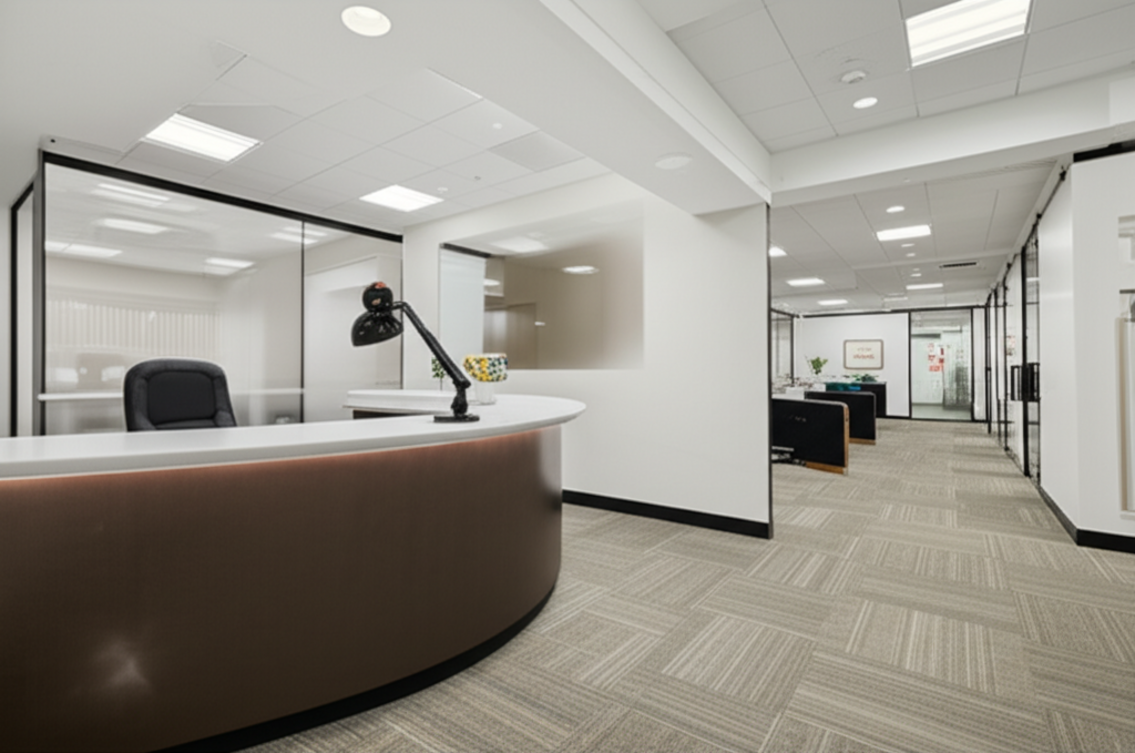
13 Medical Office Design Ideas That Transform Patient Care
Key Takeaways
- Modern medical office design directly impacts patient satisfaction scores and practice profitability
- Biophilic design elements reduce patient anxiety by up to 30% while improving staff well-being
- Strategic workflow planning prevents costly redesigns and maximizes operational efficiency
- Technology integration and flexible spaces future-proof your investment for evolving healthcare needs
- Professional design consultation delivers measurable ROI through improved patient retention and staff productivity
The medical office landscape is undergoing a dramatic transformation in 2025, driven by evolving patient expectations, technological advances, and a deeper understanding of how physical environments impact healing outcomes. Today’s healthcare consumers expect more than clinical excellence—they demand comfortable, welcoming spaces that reduce anxiety and enhance their overall care experience.
Smart medical office design isn’t just about aesthetics; it’s a strategic business investment that directly influences patient satisfaction scores, staff efficiency, and ultimately, your practice’s bottom line. From reception areas that set the right first impression to treatment rooms that optimize workflow, every design decision impacts your operational success.
In this comprehensive guide, we’ll explore 13 evidence-based medical office design ideas that are reshaping healthcare environments across the United States. You’ll discover how to create spaces that not only meet regulatory requirements but exceed patient expectations while supporting your team’s productivity and well-being.
Understanding Modern Medical Office Design
Medical office design encompasses far more than selecting furniture and paint colors—it’s a strategic approach to creating healing environments that optimize patient care, staff efficiency, and business outcomes. Modern medical office design integrates evidence-based principles with contemporary aesthetics to transform healthcare delivery spaces into environments that actively support wellness and recovery.
At its core, effective medical office design addresses three critical components: patient experience, operational workflow, and regulatory compliance. The patient experience begins the moment someone enters your facility and encompasses everything from wayfinding and comfort to privacy and accessibility. Operational workflow focuses on how staff move through spaces, how equipment is positioned, and how different areas connect to maximize efficiency. Regulatory compliance ensures your design meets ADA requirements, HIPAA privacy standards, and local health department regulations.
Today’s medical office design trends emphasize biophilic elements, technology integration, and flexible spaces that can adapt to evolving healthcare needs. The traditional sterile, clinical aesthetic is giving way to warm, hospitality-inspired environments that reduce patient anxiety and promote healing. This shift reflects growing understanding that the physical environment directly impacts patient outcomes, staff satisfaction, and ultimately, your practice’s financial performance.
Successful medical office design also considers the specific needs of your specialty. A pediatric practice requires different spatial considerations than a dermatology clinic or orthopedic surgery center. Understanding these nuances is essential for creating spaces that truly serve your patients and support your clinical objectives while maintaining the professional standards patients expect from healthcare providers.
Benefits of Strategic Medical Office Design for Healthcare Practices
Investing in professional medical office design delivers measurable returns across multiple areas of your practice. Patient satisfaction scores consistently improve in well-designed healthcare environments, with studies showing that thoughtful design elements can reduce perceived wait times by up to 20% and significantly decrease patient anxiety levels. These improvements translate directly to better online reviews, increased referrals, and stronger patient retention rates.
Operational efficiency gains represent another significant benefit. Properly planned medical offices can improve staff productivity by 15-25% through optimized workflows, strategic equipment placement, and reduced travel distances between patient rooms. When your team spends less time navigating poorly designed spaces, they can focus more attention on patient care. This efficiency improvement often allows practices to see more patients without adding staff, directly impacting revenue potential.
The financial impact extends beyond operational improvements. Well-designed medical offices command higher lease rates and property values, making them valuable assets for practice owners. Additionally, modern, professional environments help attract and retain top clinical talent in competitive healthcare markets. Staff turnover costs in healthcare can exceed $50,000 per position, making retention a critical financial consideration.
Compliance benefits cannot be overlooked. Professional medical office design ensures your space meets current ADA requirements, HIPAA privacy standards, and local health codes from the outset, avoiding costly retrofits and potential legal issues. Much like how strategic space planning optimizes commercial environments across industries, medical office design creates spaces that work seamlessly for both providers and patients while maintaining regulatory compliance and supporting long-term business growth.
The Medical Office Design Process: From Concept to Completion
The medical office design process begins with comprehensive programming and needs assessment. This critical first phase involves analyzing your current operations, patient flow patterns, staff workflows, and future growth projections. Professional designers conduct detailed interviews with key stakeholders, observe existing operations, and review patient volume data to understand your unique requirements. This foundation ensures the final design supports your specific practice model and clinical objectives.
Space planning follows the programming phase, where designers create detailed layouts that optimize patient flow, staff efficiency, and regulatory compliance. This includes determining optimal room sizes, corridor widths, reception area capacity, and equipment placement. Advanced 3D modeling and virtual reality walkthroughs allow you to experience the space before construction begins, ensuring the design meets your expectations and functional requirements.
The design development phase refines all aesthetic and functional elements, including finishes, furniture, lighting, and technology infrastructure. Professional designers coordinate with engineers, contractors, and specialty consultants to ensure seamless integration of HVAC, electrical, and medical gas systems. This collaborative approach prevents costly change orders and ensures your project stays on schedule and budget.
Implementation involves detailed project management, permitting assistance, and construction oversight. Experienced medical office design professionals understand the unique challenges of healthcare construction, including infection control protocols, phased occupancy requirements, and specialized equipment installation. The process concludes with comprehensive commissioning, staff training on new systems, and post-occupancy evaluation to ensure your investment delivers the intended benefits. This systematic approach mirrors the attention to detail found in other specialized commercial environments, similar to how retail design requires deep understanding of customer behavior and operational requirements.
Medical Office Design in San Antonio & Central Texas: Local Market Insights
The San Antonio-Austin corridor represents one of the fastest-growing healthcare markets in the United States, with the region adding over 200 new healthcare facilities annually. This explosive growth creates unprecedented opportunities for medical practices willing to invest in strategic design that differentiates them from competitors. The diverse demographics spanning from San Antonio’s urban core to the Hill Country’s affluent communities require design approaches that appeal to varied patient populations while maintaining clinical excellence.
Local market dynamics favor practices that embrace modern design principles. The region’s tech-savvy population, influenced by Austin’s innovation economy, expects healthcare environments that reflect contemporary standards. Practices incorporating advanced technology integration, flexible spaces, and patient-centered design consistently outperform competitors in patient acquisition and retention. The growing medical tourism sector, particularly in San Antonio’s expanding medical district, also creates opportunities for practices with distinctive, professionally designed environments.
Central Texas’s unique climate considerations impact medical office design decisions significantly. The region’s intense summer heat and occasional severe weather require robust HVAC systems, energy-efficient lighting, and durable finishes that maintain appearance despite challenging conditions. Smart design choices can reduce operational costs by 20-30% compared to poorly planned facilities, a critical advantage in the competitive Texas healthcare market.
The regulatory environment in Texas supports innovative healthcare design while maintaining rigorous safety standards. State health department requirements, combined with local municipal codes, create specific compliance frameworks that experienced designers navigate efficiently. Understanding these local nuances prevents costly delays and ensures your project meets all regulatory requirements from day one. The region’s strong economy and population growth projections make medical office design investments particularly attractive, with well-designed facilities typically seeing property value appreciation that exceeds regional averages by 15-25% over five-year periods.
Common Mistakes to Avoid in Medical Office Design
Even well-intentioned medical office designs can fail patients and staff when common pitfalls aren’t addressed. Here are five critical mistakes that can undermine your practice’s success:
Ignoring Patient Flow and Workflow Planning: Poor circulation patterns create bottlenecks, confusion, and privacy concerns. Patients shouldn’t cross paths with staff work areas or encounter other patients during sensitive procedures.
Inadequate Reception Area Investment: Many practices underestimate the reception area’s impact on first impressions. A cramped, poorly lit, or unwelcoming entrance immediately signals low-quality care to patients.
Overlooking Future Growth and Flexibility: Designing spaces that can’t adapt to changing technology, staff expansion, or service offerings leads to costly renovations within just a few years of opening.
Poor Lighting Design: Insufficient natural light, harsh fluorescents, or inadequate task lighting affects both patient comfort and staff productivity. Proper lighting is essential for accurate diagnoses and reducing eye strain.
Neglecting Accessibility and Safety Compliance: Failing to meet ADA requirements or overlooking safety protocols can result in legal issues, patient injuries, and regulatory violations that damage your practice’s reputation and finances.
Frequently Asked Questions
What are the trends for healthcare design in 2025?
Healthcare design in 2025 emphasizes biophilic elements, flexible spaces, and technology integration. Key trends include wellness-focused environments, sustainable materials, and patient-centered layouts that prioritize comfort and healing.
What is the office design trend in 2025?
Office design trends for 2025 focus on hybrid functionality, wellness integration, and smart technology. Medical offices specifically are incorporating more natural elements, flexible consultation spaces, and enhanced air quality systems.
What are some common layout mistakes to avoid?
Common layout mistakes include poor patient flow planning, inadequate privacy separation, insufficient storage space, and ignoring staff workflow efficiency. These issues can lead to operational inefficiencies and compromised patient experiences.
How much does medical office design typically cost?
Medical office design costs vary significantly based on size and complexity. Reception areas typically range from $8,000 to $25,000, while complete medical office buildouts can range from $100 to $300 per square foot depending on finishes and technology requirements.
How long does a medical office design project take?
Medical office design projects typically take 3-6 months from initial consultation to completion. This timeline includes design development, permitting, construction, and final inspections, though complex projects may require additional time.
What technology should be integrated into modern medical offices?
Modern medical offices should integrate EMR systems, digital signage, patient check-in kiosks, and smart HVAC controls. Advanced practices also incorporate telemedicine capabilities, automated lighting systems, and patient communication platforms for enhanced efficiency.
Conclusion
Transforming your medical practice through thoughtful design isn’t just about aesthetics—it’s a strategic investment in patient satisfaction, operational efficiency, and long-term success. The 13 medical office design ideas we’ve explored demonstrate how evidence-based design principles can create healing environments that benefit both patients and healthcare providers.
From incorporating biophilic elements and optimizing patient flow to integrating smart technology and ensuring accessibility compliance, each design decision impacts your practice’s ability to deliver exceptional care. Remember that successful medical office design requires balancing functionality with comfort, privacy with openness, and current needs with future flexibility.
The investment in professional medical office design pays dividends through improved patient retention, enhanced staff productivity, and increased practice value. Whether you’re planning a new practice, expanding your current facility, or repositioning an existing space, partnering with experienced commercial interior design professionals ensures your vision becomes a reality that serves your patients and business goals.
Ready to transform your medical practice with design that enhances patient care and operational efficiency? Our team specializes in creating turnkey medical office solutions that maximize both patient satisfaction and return on investment. Schedule a Free Consultation today to discuss how we can bring your vision to life with a comprehensive approach that handles everything from initial concept through final permitting and construction.
For small business owners, the SBA Small Business Store Management Guide provides authoritative resources on retail operations and planning.