Insights
How to Renovate a Commercial Building: Complete 2026 Texas Guide
March 6, 2026
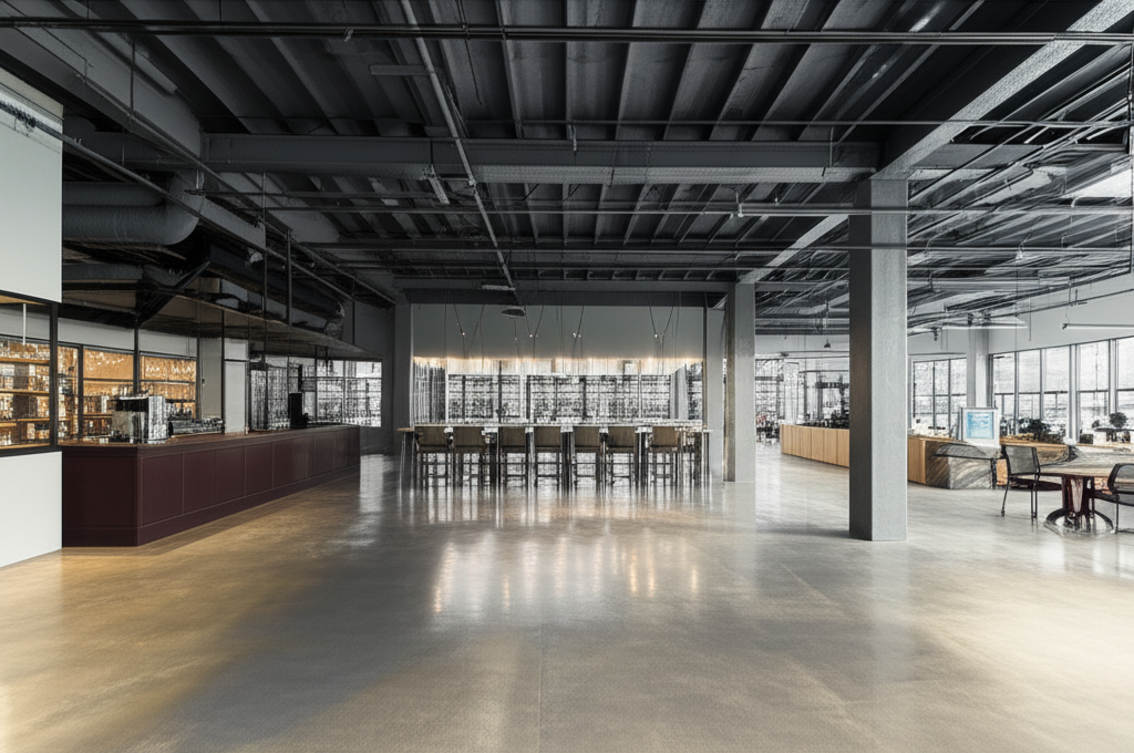
How to Renovate Commercial Building: Complete 2026 Guide
Quick answer: To renovate a commercial building in Texas, follow these phases: pre-purchase or pre-lease evaluation, layout design and permit drawings, scope and budget definition, contractor selection with fixed-price bids, demolition and MEP work, finish-out, and final inspections. Most Texas commercial renovations run 12 to 20 weeks and $50 to $250 per square foot in 2026.
Key Takeaways
- Commercial renovation costs range from $50-$250 per square foot, with construction costs rising 5-7% in 2026
- Proper planning and permit compliance prevent costly delays and code violations during renovation projects
- Strategic renovations can increase property values by 10-30% while improving tenant retention and operational efficiency
- Professional design teams deliver turnkey solutions that minimize business disruption and maximize ROI
- Early identification of structural issues and building systems prevents budget overruns and project delays
Commercial building renovation represents one of the most significant opportunities for property owners and business operators to unlock hidden value, improve operational efficiency, and create competitive advantages in today’s market. With construction costs projected to rise 5-7% in 2026 according to JLL’s Construction Outlook, strategic renovation timing has never been more critical for maximizing return on investment.
Whether you’re repositioning an underperforming asset, expanding your business operations, or adapting to evolving tenant demands, successful commercial renovation requires sophisticated planning, expert execution, and deep understanding of market dynamics. From navigating complex permitting processes to managing multi-phase construction while maintaining business continuity, the stakes are high and the margin for error is slim.
This comprehensive guide reveals the proven strategies, cost benchmarks, and insider knowledge that separate successful renovations from costly mistakes. You’ll discover how to evaluate renovation potential, structure budgets that account for hidden costs, and implement turnkey solutions that deliver measurable business results.
Understanding Commercial Building Renovation
Commercial building renovation encompasses the comprehensive process of updating, modernizing, and improving existing commercial properties to meet current business needs, safety standards, and market demands. Unlike residential renovations, commercial projects require specialized expertise in building codes, ADA compliance, fire safety regulations, and complex mechanical systems that support business operations.
The scope of commercial renovation varies dramatically based on property type and business objectives. A tenant improvement project might focus on reconfiguring office layouts and updating finishes, while a complete repositioning could involve structural modifications, new HVAC systems, and exterior facade updates. Modern commercial renovations increasingly emphasize energy efficiency, technology integration, and flexible spaces that can adapt to changing business needs.
Commercial renovation projects typically fall into several categories: cosmetic updates that refresh finishes and fixtures, functional improvements that enhance operational efficiency, and comprehensive overhauls that transform the entire property. Each type requires different levels of planning, permitting, and investment, but all demand careful coordination between architects, contractors, and regulatory authorities to ensure successful completion.
The complexity of commercial renovation extends beyond aesthetics to include critical infrastructure considerations. Electrical systems must support modern technology demands, plumbing systems need to accommodate current usage patterns, and HVAC systems require sizing for optimal energy efficiency. These technical requirements make commercial renovation a specialized field requiring experienced professionals who understand both current building standards and future-proofing strategies.
Benefits of Commercial Building Renovation for Business Growth
Strategic commercial building renovation delivers measurable returns on investment through improved operational efficiency, enhanced property values, and increased tenant satisfaction. Modern renovations can reduce operating costs by 20-30% through energy-efficient systems, updated insulation, and smart building technologies that optimize resource consumption. These improvements directly impact the bottom line while creating more comfortable environments for employees and customers.
Property repositioning through renovation allows owners to command higher rental rates and attract premium tenants. A well-executed renovation can increase property values by 15-25% while extending the building’s useful life by decades. For businesses operating in competitive markets, updated facilities become powerful tools for talent recruitment and customer acquisition, particularly in industries where physical environment directly influences business outcomes.
Commercial renovation enables businesses to adapt their spaces to evolving operational needs without the disruption and expense of relocation. Professional space planning can optimize existing square footage to accommodate growth, improve workflow efficiency, and create collaborative environments that enhance productivity. This flexibility becomes particularly valuable in dynamic industries where business models evolve rapidly.
The branding and customer experience benefits of renovation cannot be overstated. Updated facilities communicate professionalism, innovation, and attention to detail that influences customer perceptions and purchasing decisions. For retail businesses, modern renovations incorporating current design trends and improved customer flow can increase sales by 10-20%. Similarly, restaurants and hospitality venues benefit from renovations that enhance ambiance and operational efficiency, directly impacting revenue generation.
Renovation also addresses critical compliance and safety requirements that protect businesses from liability while ensuring regulatory compliance. Updated fire safety systems, ADA accessibility improvements, and modern security features create safer environments while reducing insurance costs and legal risks.
The Commercial Building Renovation Process
Successful commercial building renovation follows a systematic process that begins with comprehensive property assessment and strategic planning. The initial phase involves detailed analysis of existing conditions, including structural integrity, mechanical systems, and code compliance status. Professional engineers and architects conduct thorough evaluations to identify potential challenges and opportunities, establishing the foundation for realistic project scoping and budgeting.
The design development phase translates business objectives into detailed renovation plans that balance functionality, aesthetics, and budget constraints. This stage includes space planning to optimize layouts, selection of materials and finishes that support operational requirements, and integration of technology infrastructure. Design professionals coordinate with mechanical, electrical, and plumbing engineers to ensure all systems work harmoniously while meeting current codes and future needs.
Permitting and regulatory approval represent critical milestones that can significantly impact project timelines. Commercial renovations typically require multiple permits covering construction, electrical, plumbing, and fire safety modifications. Experienced renovation teams navigate these requirements efficiently, submitting complete applications that minimize delays and ensure compliance with local building codes, zoning regulations, and accessibility standards.
The construction phase demands careful project management to minimize business disruption while maintaining quality standards. Successful contractors develop detailed schedules that coordinate multiple trades, manage material deliveries, and implement safety protocols. For occupied buildings, phased construction approaches allow businesses to continue operations while renovation work progresses in designated areas.
Quality control and final inspections ensure all work meets specified standards and regulatory requirements. This includes testing of mechanical systems, verification of safety equipment functionality, and confirmation that all finishes meet design specifications. The final phase involves staff training on new systems, warranty documentation, and establishment of maintenance protocols that protect the renovation investment long-term.
Commercial Building Renovation in San Antonio & Central Texas: Local Market Insights
The San Antonio-Austin corridor represents one of the nation’s most dynamic commercial real estate markets, with sustained population growth and business expansion driving unprecedented demand for modern commercial spaces. This 100-mile radius region has experienced remarkable economic diversification, with technology companies, healthcare systems, and manufacturing operations establishing significant presences that require sophisticated commercial environments.
Central Texas’s unique market characteristics create specific renovation opportunities and challenges. The region’s rapid growth has resulted in many commercial buildings constructed during earlier development phases that now require updating to meet current tenant expectations. Properties built in the 1980s and 1990s particularly benefit from comprehensive renovations that address outdated HVAC systems, limited electrical capacity, and layouts that don’t support modern business operations.
The competitive landscape for commercial space in markets like New Braunfels, San Marcos, and Boerne has intensified as businesses seek alternatives to higher-cost urban centers while maintaining access to skilled workforce and transportation networks. This trend creates significant value-add opportunities for property owners who invest in strategic renovations that position their buildings as premium alternatives to new construction.
Local building codes and environmental considerations specific to Central Texas influence renovation approaches. The region’s climate demands robust HVAC systems and energy-efficient building envelopes, while soil conditions and weather patterns require specific structural considerations. Understanding these local factors ensures renovation projects deliver optimal performance while meeting regulatory requirements unique to the Texas market.
The growing emphasis on hospitality and dining experiences throughout the region creates opportunities for commercial renovations that support tourism and local entertainment industries. Similarly, the expansion of retail and mixed-use developments requires renovation expertise that can adapt existing buildings to support diverse commercial uses while maintaining the authentic character that attracts businesses and customers to Central Texas communities.
Common Mistakes to Avoid
Commercial building renovation projects can derail quickly when owners make critical missteps. Understanding these common pitfalls helps ensure your project stays on track and within budget.
Starting Without a Comprehensive Plan: Jumping into renovations without detailed architectural plans and specifications leads to costly change orders and delays. Always complete design development before breaking ground.
Underestimating True Project Costs: Many owners focus only on construction costs while ignoring permits, design fees, temporary relocations, and contingencies. Budget for 15-20% above initial estimates to handle unexpected issues.
Ignoring Building Codes and Permit Requirements: Failing to secure proper permits or understand current building codes can result in work stoppages, fines, and expensive corrections. Always verify compliance requirements before starting work.
Choosing the Wrong Contractor: Selecting contractors based solely on price rather than experience, licensing, and commercial expertise often leads to quality issues and project delays. Verify credentials and check recent commercial project references.
Poor Communication and Project Management: Inadequate coordination between stakeholders, contractors, and tenants creates confusion and costly mistakes. Establish clear communication protocols and regular progress meetings from day one.
Related Prestige 360 Services in Texas
Renovating a commercial building in Texas? These Prestige 360 services map to each phase of the project:
- Commercial Finish Out Texas - shell-to-occupant-ready buildout for retail, restaurant, medical, and office tenants.
- Commercial Buildout Planning Texas - permits, scope definition, and pre-construction planning.
- Tenant Improvement Services - TI allowance planning and full coordination from lease review to Certificate of Occupancy.
- Professional Office Layout Texas - office space planning for law, finance, healthcare administration, and tech tenants.
Frequently Asked Questions
What is the 30% rule for renovations?
The 30% rule states that if renovation costs exceed 30% of a building’s assessed value, the entire structure must be brought up to current building codes. This can significantly increase project scope and costs, making it crucial to evaluate renovation expenses against this threshold early in planning.
How long does it take to do renovations in a 3,000 sq ft commercial building?
A 3,000 square foot commercial renovation typically takes 3-6 months, depending on complexity and scope. Basic tenant improvements may complete in 6-8 weeks, while full renovations involving structural changes, MEP upgrades, and extensive finishes require 4-6 months plus permitting time.
How much remodeling can be done with $100,000?
With $100,000, you can typically renovate 400-2,000 square feet depending on scope and finishes. This budget covers basic tenant improvements like flooring, paint, and lighting in larger spaces, or higher-end finishes in smaller areas like executive offices or retail spaces.
How much does it cost to renovate a commercial building?
Commercial renovation costs range from $50-$250 per square foot nationally, with basic tenant improvements starting around $50-$100 per square foot and comprehensive renovations reaching $150-$250 per square foot. Factors include location, building condition, finishes, and mechanical system upgrades.
Will renovation costs go down in 2026?
Construction costs are projected to rise 5-7% in 2026 according to industry forecasts. While material costs may stabilize, labor shortages and increased regulatory requirements continue driving costs upward, making early project planning and budget allocation more critical than ever.
Do I need permits for commercial building renovations?
Most commercial renovations require permits, especially those involving structural changes, electrical work, plumbing, or HVAC modifications. Even cosmetic changes may require permits in some jurisdictions, so consult with local building departments early in your planning process.
Can I stay open during commercial renovations?
Staying open during renovations depends on the scope of work and safety requirements. Phased construction allows partial operations in some cases, while major structural or MEP work typically requires temporary closure. Plan for potential revenue loss and customer notification well in advance.
Conclusion
Successfully renovating a commercial building requires careful planning, realistic budgeting, and expert execution. From initial space assessment through final occupancy, each phase demands attention to detail and professional expertise. The investment in quality design and construction pays dividends through improved tenant satisfaction, higher property values, and reduced long-term maintenance costs.
Smart business owners recognize that commercial renovation is more than just updating aesthetics—it’s about creating functional spaces that drive business success. Whether you’re repositioning an existing property, accommodating new tenants, or modernizing outdated systems, the right approach maximizes your return on investment while minimizing disruption to operations.
Ready to transform your commercial space? Our experienced team specializes in turnkey commercial renovations that deliver exceptional results on time and within budget. From space planning through final inspections, we handle every detail of your project with precision and professionalism. Schedule a Free Consultation today to discuss your renovation goals and discover how we can bring your vision to life while maximizing your investment potential.
For small business owners, the SBA Small Business Store Management Guide provides authoritative resources on retail operations and planning.