Insights
Commercial Renovation Guide: Transform Your Business Space i
February 16, 2026
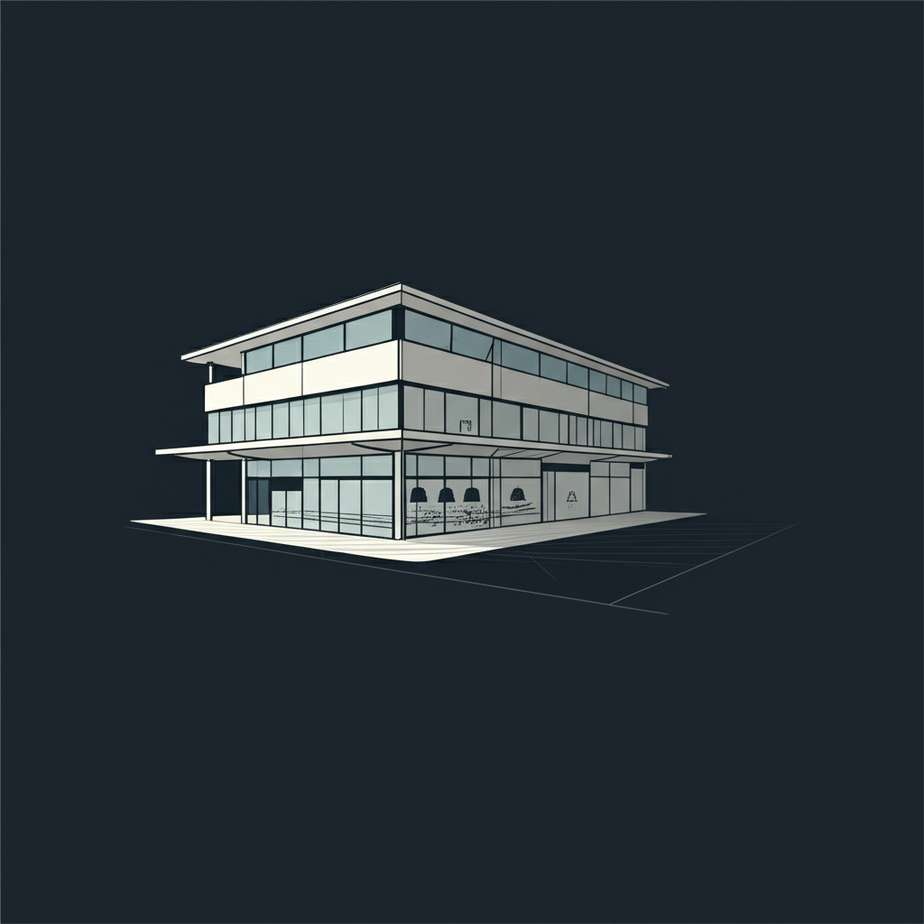
Commercial Renovation Guide: Transform Your Business Space in 2025
Key Takeaways
- Commercial renovation projects range from $25,000 to $1.5 million, with costs varying significantly by location and scope
- Poor planning and inadequate budgeting are the top causes of renovation failures and cost overruns
- Strategic renovations can increase property value by 10-30% while improving operational efficiency and employee productivity
- Proper permitting and code compliance are critical to avoid delays and legal issues during commercial renovations
- Working with experienced commercial design professionals reduces project risks and ensures better ROI outcomes
Commercial renovation represents one of the most powerful strategies for business growth, property value enhancement, and operational efficiency improvement. Whether you’re repositioning an underperforming asset, expanding your operations, or creating a competitive advantage through superior workspace design, the commercial renovation market offers tremendous opportunities for savvy business owners and investors.
However, commercial renovation projects come with unique challenges that distinguish them from residential work. From complex building codes and zoning requirements to tenant coordination and business continuity concerns, the stakes are significantly higher. A poorly executed commercial renovation can result in costly delays, code violations, and missed revenue opportunities that impact your bottom line for years to come.
This comprehensive guide will walk you through every aspect of commercial renovation in 2025, from initial planning and budgeting to execution and completion. You’ll discover proven strategies to maximize your investment, avoid common pitfalls that derail projects, and leverage current market trends to create spaces that drive business success and long-term value.
Understanding Commercial Renovation: More Than Just a Facelift
Commercial renovation encompasses the strategic transformation of existing business spaces to enhance functionality, aesthetics, and operational efficiency. Unlike simple maintenance or cosmetic updates, commercial renovation involves comprehensive planning and execution that can range from tenant improvements and space reconfigurations to complete interior overhauls that reposition properties for new market opportunities.
The commercial renovation market has evolved significantly, with projects typically ranging from $25,000 to $1,500,000 according to industry data. This broad spectrum reflects the diverse needs of businesses, from small retail updates to major corporate headquarters transformations. Modern commercial renovation goes beyond traditional construction—it’s about creating strategic brand experiences that drive customer engagement and employee productivity.
Today’s commercial renovation projects integrate advanced technologies, sustainable materials, and flexible design solutions that adapt to changing business needs. Whether you’re repositioning a retail space, updating medical facilities, or transforming office environments, successful renovation requires understanding current market demands, regulatory requirements, and long-term business objectives. The key differentiator lies in approaching renovation as a comprehensive turnkey solution that addresses everything from initial space planning and permitting to final implementation and occupancy.
Smart business owners recognize that commercial renovation isn’t just about improving aesthetics—it’s an investment in operational efficiency, employee satisfaction, and customer experience. With proper planning and execution, renovation projects can significantly increase property values, reduce operational costs, and position businesses for sustained growth in competitive markets.
Benefits of Commercial Renovation for Business Growth and ROI
Strategic commercial renovation delivers measurable returns that extend far beyond improved aesthetics. Businesses investing in well-planned renovation projects typically see immediate improvements in operational efficiency, with optimized layouts reducing workflow bottlenecks and enhancing employee productivity. Modern space planning can increase usable square footage by up to 30% without expanding the physical footprint, maximizing your real estate investment.
From a financial perspective, commercial renovation offers superior ROI compared to relocation costs. While moving expenses, lease deposits, and business interruption can cost hundreds of thousands of dollars, renovation allows businesses to maintain operations while transforming their existing space. Property values increase substantially with professional renovation, often appreciating 15-25% above renovation costs in prime commercial markets.
Customer experience improvements represent another critical benefit. Updated retail environments drive increased dwell time and purchase decisions, while modern office spaces attract and retain top talent in competitive hiring markets. Restaurant spaces that undergo strategic renovation often see 20-40% increases in revenue through improved flow, ambiance, and operational efficiency.
Energy efficiency gains from renovation projects reduce long-term operational costs significantly. Modern HVAC systems, LED lighting, and improved insulation can cut utility expenses by 25-40% annually. Additionally, renovated spaces often qualify for various tax incentives and energy rebates, further enhancing project ROI. Businesses also benefit from reduced maintenance costs, as updated systems and materials require less frequent repairs and replacements.
Perhaps most importantly, renovation allows businesses to adapt their physical environment to evolving market demands without the disruption and expense of relocation, ensuring long-term competitiveness and operational flexibility.
The Commercial Renovation Process: From Vision to Reality
Successful commercial renovation begins with comprehensive planning and clear objective setting. The initial phase involves detailed space assessment, business needs analysis, and feasibility studies that establish realistic timelines and budgets. Professional space planning services ensure optimal layout design that maximizes functionality while maintaining compliance with building codes and accessibility requirements.
The design development phase transforms business objectives into detailed architectural plans and 3D visualizations. This stage includes material selection, systems integration planning, and coordination with various trades and specialists. Modern renovation projects utilize advanced visualization tools, including virtual reality walkthroughs, allowing stakeholders to experience the transformed space before construction begins.
Permitting and regulatory compliance represent critical process elements that require expert navigation. Commercial renovation projects must comply with local building codes, fire safety regulations, ADA requirements, and industry-specific standards. Professional renovation teams manage permit applications, inspections, and regulatory approvals, ensuring projects proceed without costly delays or compliance issues.
Construction execution follows a carefully orchestrated timeline that minimizes business disruption. Phased renovation approaches allow businesses to maintain operations in portions of their space while work progresses in other areas. Project management includes daily progress monitoring, quality control checkpoints, and regular stakeholder communication to ensure deliverables meet expectations.
The final phase encompasses system commissioning, final inspections, and occupancy preparation. Professional renovation teams provide comprehensive turnkey solutions that include furniture installation, technology integration, and staff transition planning. Post-completion support ensures all systems function optimally and any punch-list items receive prompt attention, delivering a seamless transition to the transformed space.
Commercial Renovation in San Antonio & Central Texas: Capitalizing on Regional Growth
The San Antonio-Austin corridor represents one of the nation’s most dynamic commercial markets, with unprecedented growth driving demand for strategic renovation projects. This 100-mile radius encompasses rapidly expanding communities including Boerne, New Braunfels, and San Marcos, where businesses are leveraging renovation to capture growing market opportunities and position themselves for continued expansion.
Regional economic diversification has created unique renovation opportunities across multiple sectors. The area’s thriving healthcare industry requires specialized medical and veterinary facility updates that comply with evolving regulatory standards. Meanwhile, the booming tourism and hospitality sector demands innovative retail design solutions and restaurant renovations that create memorable customer experiences in competitive markets.
Local market conditions favor renovation over new construction in many scenarios. Established commercial districts in San Antonio and Austin offer prime locations where renovation provides faster market entry than ground-up development. The region’s diverse architectural heritage also presents unique opportunities to blend historic character with modern functionality, creating distinctive spaces that stand out in crowded markets.
Central Texas businesses benefit from the region’s pro-business environment and streamlined permitting processes that facilitate efficient renovation timelines. Local utility incentives for energy-efficient upgrades enhance project ROI, while the area’s skilled construction workforce ensures quality execution. The region’s rapid population growth—particularly among young professionals and families—creates sustained demand for updated commercial spaces that meet contemporary expectations.
Smart business owners in the San Antonio-Austin corridor recognize that strategic renovation positions them to capitalize on continued regional growth while building long-term asset value in one of America’s most promising commercial markets.
Common Mistakes to Avoid
Even well-intentioned commercial renovation projects can derail without proper planning and execution. Understanding these common pitfalls helps ensure your investment delivers maximum returns.
Starting Without a Clear Plan: Jumping into renovations without defined objectives and detailed planning leads to cost overruns and delays. Establish clear goals, timelines, and scope before breaking ground.
Inadequate Budgeting: Underestimating costs is one of the most expensive mistakes businesses make. Factor in a 15-20% contingency fund for unexpected discoveries and always account for permit fees, temporary relocations, and lost revenue during construction.
Choosing the Wrong Contractor: Selecting contractors based solely on lowest bid often results in poor workmanship, delays, and additional costs. Verify licensing, insurance, commercial experience, and references before making decisions.
Neglecting Building Codes and Permits: Skipping proper permits or ignoring code requirements can halt projects, result in fines, and create liability issues. Work with professionals who understand local regulations and ADA compliance requirements.
Poor Technology and Project Oversight: Lack of communication and project management systems leads to miscommunication, scheduling conflicts, and quality issues. Implement regular progress meetings and digital project tracking to maintain accountability and transparency throughout the renovation process.
Frequently Asked Questions
What is the remodeling industry forecast for 2025?
The commercial remodeling industry shows strong growth potential in 2025, driven by workplace modernization needs and sustainability requirements. Technology integration, flexible workspace designs, and energy-efficient upgrades are leading market demand as businesses adapt to post-pandemic operational models.
Will construction costs go down in 2025 in the USA?
Construction costs are expected to stabilize in 2025 after years of volatility, though significant decreases are unlikely. Material costs may moderate, but labor shortages continue to impact pricing. Strategic planning and early material procurement can help manage project costs effectively.
How much does a commercial renovation cost in 2025?
Commercial renovation costs typically range from $25,000 to $1,500,000 depending on scope and square footage. Basic tenant improvements average $50-150 per square foot, while comprehensive renovations can reach $200-400 per square foot. Professional space planning helps optimize budgets and maximize value.
How long does a typical commercial renovation take?
Commercial renovation timelines vary from 4-12 weeks for basic tenant improvements to 6-12 months for major overhauls. Factors affecting duration include permit approval times, scope complexity, and contractor availability. Proper planning and experienced project management can significantly reduce delays.
Do I need permits for commercial renovation work?
Most commercial renovations require permits, especially for electrical, plumbing, structural, or occupancy changes. Permit requirements vary by location and project scope. Working with experienced commercial contractors ensures proper permitting and code compliance throughout your renovation project.
What should I consider when choosing a commercial renovation contractor?
Evaluate contractors based on commercial experience, proper licensing and insurance, project portfolio, and client references. Look for firms offering turnkey solutions including design, permitting, and construction management. Clear communication, detailed contracts, and proven project management systems are essential for successful outcomes.
Conclusion
Commercial renovation represents a strategic investment in your business’s future, offering opportunities to enhance functionality, improve employee satisfaction, and increase property value. Success depends on thorough planning, realistic budgeting, and partnering with experienced professionals who understand the complexities of commercial construction.
The key to maximizing your renovation investment lies in balancing immediate needs with long-term business goals. Whether updating technology infrastructure, improving energy efficiency, or creating more collaborative workspaces, every decision should align with your operational objectives and brand vision. Smart renovations not only solve current challenges but position your business for sustained growth and competitiveness.
Don’t let your commercial space hold back your business potential. Professional design and construction expertise can transform your vision into reality while minimizing disruption and maximizing returns. From initial space planning through final occupancy, the right team ensures your renovation delivers lasting value and supports your business objectives.
Ready to transform your commercial space? Schedule a Free Consultation with our commercial design experts today. We’ll evaluate your space, discuss your goals, and develop a comprehensive renovation strategy that drives results. Take the first step toward creating a workspace that works as hard as you do.
For small business owners, the SBA Small Business Store Management Guide provides authoritative resources on retail operations and planning.
Commercial Renovation: Texas Owner FAQ
Frequently Asked Questions
What is the average cost of a commercial renovation in Texas?
Commercial renovations in Texas typically range from $85 to $240 per square foot in 2026, depending on scope, building age, and finish level. A standard office tenant improvement in San Antonio or Austin averages $135 to $175 per square foot.
Do I need a permit for commercial renovation in Texas?
Yes. Any structural, electrical, plumbing, or mechanical work requires a permit from the local municipal building department. Cosmetic-only work such as paint or carpet usually does not require a permit, but always verify with the city of jurisdiction before starting.
How long does a typical Texas commercial renovation take?
A light cosmetic refresh runs 3 to 6 weeks. A standard tenant improvement runs 8 to 14 weeks. A full gut renovation with structural changes runs 16 to 28 weeks including permitting and inspections.
Do I need an architect for a commercial renovation in Texas?
Texas requires a licensed architect of record for most commercial projects involving structural changes, occupancy changes, or buildings over 20,000 square feet. Smaller tenant finish-outs can often be handled by an interior designer working with a licensed MEP engineer.
What is the ROI of a commercial renovation?
A well-planned commercial renovation typically returns 8 to 18 percent annually through higher rents, reduced vacancy, lower operating costs, and improved employee productivity. Restaurants and retail see the fastest payback, usually 18 to 36 months.
For deeper planning, see our commercial finish-out guide for Texas and our commercial buildout planning resource.