Insights
How Companies Use Interior Design Services for Business Growth (2026)
February 5, 2026
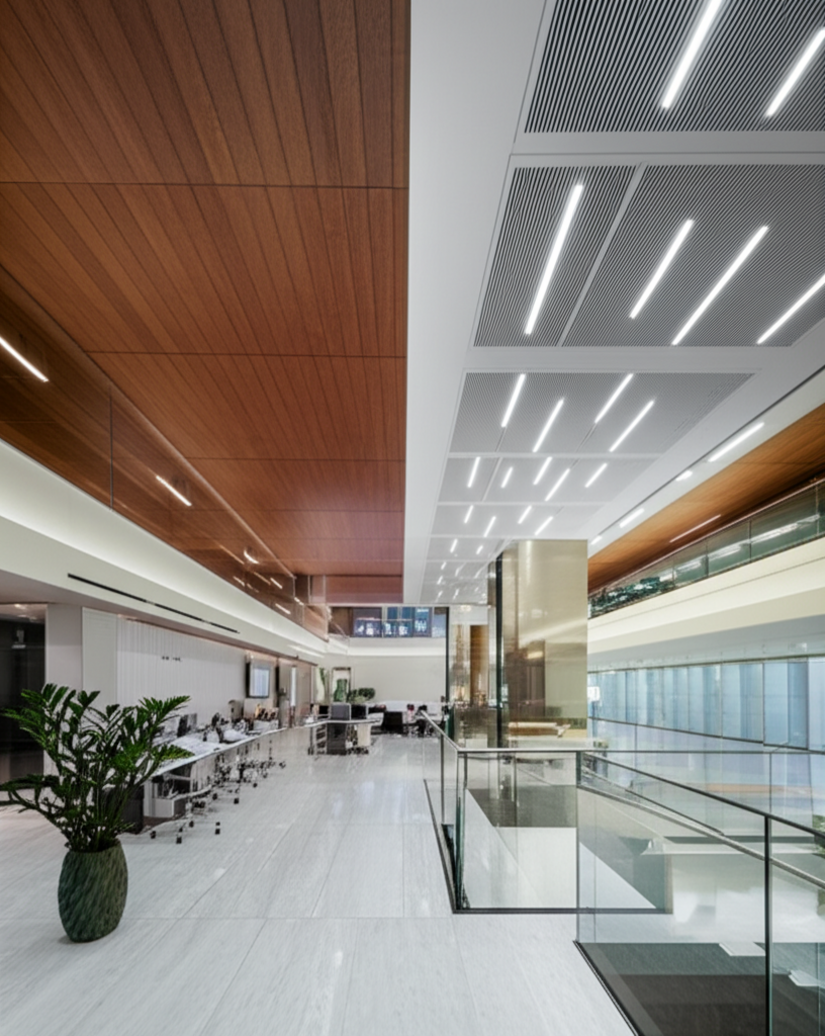
How Companies Use Interior Design Services for Business Growth
Quick answer: Companies use commercial interior design services for business growth in four ways: client experience that supports closing rates, employee productivity and retention, brand expression at the storefront or office, and operational efficiency from better layout. Prestige 360 Design delivers all four for Texas commercial tenants from project planning through Certificate of Occupancy.
Key Takeaways
- Strategic interior design directly impacts employee productivity, customer retention, and revenue growth through enhanced brand experiences
- Comprehensive commercial design services include space planning, furniture procurement, installation, and turnkey project management
- Leading companies partner with design firms that offer customizable furniture solutions and full-service procurement capabilities
- Top commercial suppliers provide integrated solutions combining furniture, fixtures, technology, and installation services
- Professional design investments typically generate 3-5x ROI through improved operational efficiency and customer acquisition
In today’s competitive business landscape, forward-thinking companies recognize that interior design is far more than aesthetic enhancement—it’s a strategic investment in growth. With the commercial interior design industry experiencing significant evolution in 2026, businesses across sectors are leveraging professional design services to create environments that drive measurable results.
The data tells a compelling story: while specialty interior services face revenue growth challenges, with expectations dropping from 8.2% in 2026 to 7.1% in 2026 according to Houzz’s State of the Industry report, successful firms are adapting by offering comprehensive turnkey solutions that address the complete spectrum of commercial space needs. Rising Giants in the industry are forecasting a robust 14% increase in fee income, indicating strong demand for specialized commercial design expertise.
This comprehensive guide explores how successful companies strategically utilize interior design services to accelerate business growth, from initial space planning through furniture procurement and installation. You’ll discover the essential services that drive ROI, identify top commercial suppliers, and learn how to select design partners that deliver measurable business outcomes.
How Companies Leverage Interior Design Services to Drive Business Growth
Companies strategically use interior design services as a powerful catalyst for business growth by creating environments that directly impact their bottom line. Forward-thinking organizations recognize that professional interior design goes beyond aesthetics—it’s a business investment that drives revenue through enhanced customer experiences, improved employee productivity, and stronger brand positioning.
The most effective approach involves turnkey solutions that transform spaces into revenue-generating assets. For example, retail environments designed with strategic merchandising layouts can increase sales per square foot by optimizing customer flow and product visibility. Similarly, restaurants that invest in professional design often see immediate returns through improved table turnover rates and enhanced dining experiences that command premium pricing.
Employee productivity represents another critical growth driver. Companies implementing professional office design report significant improvements in collaboration, creativity, and retention rates. Modern workspace design incorporates biophilic elements, flexible collaboration zones, and technology integration that directly correlates with measurable business outcomes. The 2025 industry data shows that firms investing in comprehensive interior design services are forecasting a 14 percent increase in fee income, reflecting the strong ROI these investments generate.
Brand differentiation through interior design creates competitive advantages that translate to market share growth. Professional space planning and layout design ensures every square foot serves a strategic purpose, whether that’s showcasing products, facilitating customer interactions, or reinforcing brand values. Companies that view interior design as a growth strategy rather than a cosmetic upgrade consistently outperform competitors in customer acquisition and retention metrics.
Complete Commercial Interior Design Services: From Concept to Furniture Installation
Comprehensive commercial interior design services encompass every aspect of space transformation, with furniture procurement and installation serving as critical components of turnkey project delivery. Professional design firms provide end-to-end solutions that eliminate the complexity and coordination challenges businesses face when managing multiple vendors and timelines.
The procurement process begins during the design development phase, where designers specify furniture, fixtures, and equipment (FF&E) that align with both aesthetic vision and functional requirements. This includes everything from custom millwork and built-in storage solutions to modular furniture systems and technology integration. Professional firms maintain relationships with commercial-grade manufacturers, ensuring access to durable, warranty-backed products designed for high-traffic business environments.
Installation coordination represents a sophisticated logistical operation that requires expertise in project management, permitting, and construction sequencing. Experienced design firms handle delivery scheduling, space preparation, assembly, and final placement while coordinating with other trades like electrical, HVAC, and technology installers. This integrated approach prevents costly delays and ensures seamless project completion.
The value proposition extends beyond convenience to include cost optimization and risk mitigation. Professional procurement services often secure better pricing through established vendor relationships and bulk purchasing power. Additionally, designers specify appropriate products for specific applications—understanding the difference between residential-grade and commercial-grade requirements prevents premature replacement costs and warranty issues.
Quality installation services include space protection, precise placement according to approved plans, and post-installation adjustments. Many firms also provide ongoing support for warranty claims, maintenance recommendations, and future reconfiguration needs as businesses evolve and expand their operations.
Leading Companies Providing Customizable Commercial Furniture Solutions
The commercial furniture industry features several categories of companies offering customizable solutions, each serving different market segments and project requirements. Understanding these options helps businesses select the right partners for their specific needs and budget parameters.
Major commercial furniture manufacturers like Herman Miller, Steelcase, and Haworth lead the market with extensive customization capabilities for office environments. These companies offer modular systems that adapt to changing business needs, with options for custom fabrics, finishes, and configurations. Their products typically include comprehensive warranty programs and ongoing support services that justify premium pricing for long-term value.
Specialized hospitality and restaurant furniture companies such as Versteel, KFI Studios, and Commercial Furniture Group focus on high-durability solutions for public spaces. These manufacturers excel at creating custom pieces that withstand heavy use while maintaining aesthetic appeal. They often work directly with design firms to develop proprietary pieces that reinforce brand identity and operational efficiency.
Regional manufacturers and custom fabrication shops provide highly personalized solutions for unique project requirements. These companies excel at creating one-of-a-kind pieces, custom millwork, and specialized storage solutions that mass manufacturers cannot accommodate. While typically requiring longer lead times, they offer unmatched flexibility for distinctive design visions.
Contract furniture dealers serve as intermediaries, offering access to multiple manufacturer lines while providing local project management and installation services. These companies often maintain showrooms and provide design consultation services, making them valuable partners for businesses seeking professional guidance without engaging full-service design firms. They typically offer competitive pricing and can coordinate complex multi-manufacturer orders for comprehensive project solutions.
Top Commercial Suppliers for Office Furniture and Business Fixtures
The commercial furniture supply chain encompasses national manufacturers, regional distributors, and specialized suppliers, each offering distinct advantages for different project scales and requirements. Understanding this ecosystem helps businesses make informed decisions that balance quality, cost, and service levels.
Tier-one manufacturers including Steelcase, Herman Miller, and Knoll dominate the high-end market with comprehensive product lines spanning seating, workstations, storage, and architectural products. These companies invest heavily in research and development, resulting in innovative solutions that address evolving workplace trends like hybrid work models and wellness-focused design. Their extensive dealer networks provide local support and customization capabilities.
Mid-market suppliers such as Global Furniture Group, Allsteel, and HON Company offer excellent value propositions for businesses seeking quality commercial-grade furniture without premium pricing. These manufacturers focus on functional design and durability while maintaining competitive costs through efficient manufacturing and streamlined product lines.
Specialty fixture suppliers serve specific industry needs with targeted product offerings. Companies like Grosfillex Commercial Furniture excel in outdoor and hospitality applications, while medical furniture specialists such as Stance Healthcare provide infection-control and patient-care focused solutions. Restaurant and foodservice operations benefit from suppliers like Florida Seating and MTS Seating, which understand the unique demands of commercial dining environments.
Online commercial furniture platforms have emerged as significant players, offering streamlined procurement processes and competitive pricing. Companies like OfficeSource, National Business Furniture, and Commercial Furniture Resource provide extensive catalogs with detailed specifications and quick-ship programs that serve businesses needing rapid deployment solutions. These platforms often feature project management tools and bulk pricing that appeal to facility managers and procurement professionals.
Common Mistakes to Avoid
Even experienced business owners can make costly errors when implementing commercial interior design projects. Understanding these common pitfalls helps ensure your investment delivers maximum ROI and supports long-term business growth.
Inadequate Space Planning: Rushing into design without proper space analysis leads to inefficient layouts that hurt productivity and customer flow. Professional space planning considers traffic patterns, workflow optimization, and future expansion needs.
Ignoring Brand Consistency: Failing to align interior design with brand identity creates disconnected customer experiences. Every design element should reinforce your brand message and values across all touchpoints.
Underestimating Project Timelines: Many businesses don’t account for permitting, procurement delays, and construction phases. Proper project management prevents revenue loss from extended closure periods.
Skipping Professional Consultation: Attempting DIY commercial design often results in code violations, safety issues, and costly redesigns. Professional designers ensure compliance with ADA requirements, fire codes, and local regulations.
Overlooking Employee Input: Designing spaces without considering staff workflow and comfort needs reduces productivity and job satisfaction. Successful projects incorporate feedback from employees who use the space daily.
Related Prestige 360 Services in Texas
Using commercial interior design to drive growth in Texas? These Prestige 360 services cover the highest-impact areas:
- Commercial Buildout Planning Texas - permits, scope definition, and project planning for Texas commercial tenants.
- Retail Design Company - in-house design and construction management under one contract for retail tenants.
- Professional Office Layout Texas - office space planning for law, finance, healthcare administration, and tech tenants.
- Commercial Finish Out Texas - shell-to-occupant-ready buildout for retail, restaurant, medical, and office tenants.
Frequently Asked Questions
Are interior designers in demand in 2026?
Yes, interior designers remain in high demand in 2026, with the ASID reporting a 3.4% increase in self-employed designers year-over-year. The renovation boom, driven by businesses staying in existing locations rather than relocating, has created strong demand for commercial interior design services.
What is the interior design forecast for 2026?
The 2025 interior design forecast shows mixed trends, with Rising firms projecting a 14% increase in fee income. However, specialty interior services expect slower revenue growth at 7.1% compared to 8.2% in 2026, primarily due to elevated costs and market adjustments.
What is the 3-5-7 rule in interior design?
The 3-5-7 rule suggests using odd numbers of decorative elements in groupings, as they create more visual interest and natural appeal than even numbers. This principle applies to artwork arrangements, furniture groupings, and accessory displays in commercial spaces.
What is the 70-20-10 rule in interior design?
The 70-20-10 rule is a color distribution formula where 70% of the space uses a dominant neutral color, 20% features a secondary color, and 10% incorporates accent colors. This creates balanced, professional environments that support brand identity while remaining visually appealing.
What is the growth rate for interior designers?
The interior design industry shows steady growth with self-employed designers increasing by 3.4% year-over-year. Commercial interior design specifically benefits from the renovation boom as businesses invest in space improvements rather than relocations.
How long does a commercial interior design project typically take?
Commercial interior design projects typically take 3-6 months from concept to completion, depending on scope and complexity. This includes design development, permitting, procurement, and construction phases, with proper project management ensuring minimal business disruption.
What ROI can businesses expect from professional interior design?
Businesses typically see 200-400% ROI from professional interior design through increased sales, improved employee productivity, enhanced brand perception, and higher property values. The exact return depends on industry, project scope, and implementation quality.
Conclusion
Professional commercial interior design serves as a strategic business investment that drives measurable growth across multiple performance indicators. From increasing sales through optimized customer experiences to boosting employee productivity with thoughtful workspace design, the right interior design partner transforms spaces into powerful business assets.
The key to success lies in choosing a design firm that understands your industry, local market conditions, and growth objectives. Whether you’re planning a restaurant renovation, retail expansion, office relocation, or complete brand repositioning, professional interior design services provide the expertise, project management, and turnkey solutions needed to achieve your vision on time and within budget.
Smart business owners recognize that interior design isn’t just about aesthetics—it’s about creating environments that support operational efficiency, enhance brand perception, and deliver sustainable competitive advantages. The companies that invest in professional interior design today position themselves for stronger performance, higher valuations, and accelerated growth in tomorrow’s marketplace.
Ready to transform your commercial space into a growth-driving business asset? Schedule a Free Consultation with our commercial interior design experts to discover how strategic design solutions can elevate your business performance and deliver measurable ROI for your investment.
For small business owners, the SBA Small Business Store Management Guide provides authoritative resources on retail operations and planning.