Insights
Affordable Interior Design: Smart Solutions for Small Busine
April 10, 2026
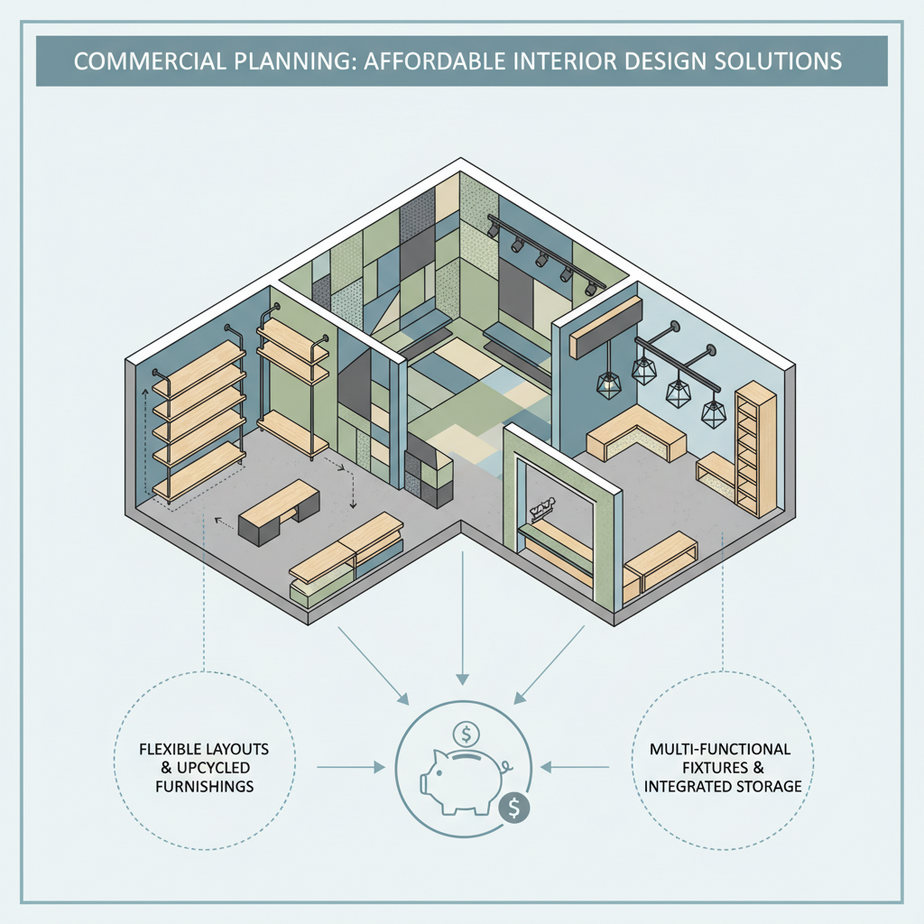
Affordable Interior Design: Smart Solutions for Small Businesses
Key Takeaways
- Strategic interior design doesn’t have to break the bank; prioritize key areas for maximum impact.
- A well-designed space enhances your brand, attracts customers, and boosts employee productivity.
- Smart planning and material choices are crucial for achieving an appealing aesthetic on a budget.
- Professional design services offer expertise and can prevent costly mistakes, providing a strong ROI.
- Consider phased improvements to spread costs while continually upgrading your business environment.
In today’s competitive market, small businesses face constant pressure to stand out. While marketing and customer service are vital, the impact of your physical space is often underestimated. Your interior design speaks volumes about your brand, influences customer behavior, and affects employee morale. But what if you’re on a tight budget? Does that mean sacrificing quality and impact? Absolutely not.
Affordable interior design is about making smart choices. It’s about prioritizing key areas, leveraging cost-effective materials, and understanding how design can directly impact your bottom line. Whether you’re envisioning a trendy retail space, a productive office, or a welcoming restaurant, strategic design can transform your business without breaking the bank.
This guide will explore proven strategies for achieving stunning interior design on a budget, covering everything from DIY tips to when it’s best to call in the professionals. We’ll delve into design ideas for retail spaces, budget-friendly office solutions, and the powerful impact of interior design on your overall business success. Let’s unlock the potential of your space and elevate your brand, all while staying within your financial reach. And remember, Prestige 360 offers expert commercial interior design services within a 100-mile radius of San Antonio, delivering turnkey solutions tailored to your needs.
Smart and Savvy: Affordable Interior Design Solutions for Small Businesses
For small businesses, every dollar counts. Investing in interior design might seem like a luxury, but it’s an investment that can pay dividends. The key is to find affordable solutions that maximize impact without breaking the bank. Start by defining your budget and sticking to it. Prioritize key areas that customers and employees interact with most. A fresh coat of paint can do wonders for transforming a space, and it’s a relatively inexpensive option. Don’t underestimate the power of smart shopping. Mix high-end statement pieces with budget-friendly finds from discount retailers or online marketplaces. Consider repurposing existing furniture or decor items with a fresh coat of paint or new upholstery.
Strategic space planning is another crucial aspect of affordable design. Optimize the layout to improve flow and functionality without incurring significant construction costs. Consider open-plan designs to create a sense of spaciousness and collaboration. Implement space-saving solutions like modular furniture and vertical storage to maximize every square foot. Lighting is also key. Natural light is always best but supplement with energy-efficient LED fixtures to create a welcoming and productive atmosphere. Remember, even small changes like decluttering, adding plants, and incorporating pops of color can make a big difference.
For businesses in the San Antonio-Austin corridor, including Boerne, New Braunfels, and San Marcos, Prestige 360 offers budget-conscious design consultations to help you prioritize your needs and find cost-effective solutions. We understand the unique challenges faced by small businesses and can provide creative strategies to enhance your brand experience without exceeding your budget. Reach out to us today to discuss your specific needs and explore our range of services.
Maximizing Impact: Small Business Office Design on a Budget
Creating a functional and aesthetically pleasing office space doesn’t require a fortune. With careful planning and resourcefulness, small businesses can achieve a professional and inspiring environment on a limited budget. Start with a well-defined space plan that optimizes workflow and employee comfort. Consider using modular furniture systems that can be easily reconfigured as your business grows. Prioritize ergonomic furniture to promote employee well-being and productivity. Shop for gently used office furniture at auctions or online marketplaces to save money without compromising on quality.
Paint is your best friend when it comes to budget-friendly office design. Choose colors that reflect your brand identity and create a positive atmosphere. Accent walls can add visual interest without the expense of painting the entire space. Incorporate affordable artwork or prints to personalize the office and create a sense of style. Don’t forget about lighting. Maximize natural light whenever possible and supplement with energy-efficient LED fixtures. Task lighting at each workstation can improve focus and reduce eye strain. Plants are another excellent way to add life and color to the office while improving air quality.
Tenant improvements can also be a cost-effective way to enhance your office space. Focus on upgrades that have the biggest impact, such as new flooring, updated lighting, or improved acoustics. Be sure to obtain all necessary permits before starting any construction work. Prestige 360 specializes in tenant improvement projects for businesses within a 100-mile radius of San Antonio, offering turnkey solutions that streamline the process from concept to completion. We can help you create a budget-friendly office design that reflects your brand and supports your business goals. Learn more about our space planning services.
Attract and Engage: Interior Design Ideas for Retail Small Businesses
In the retail world, interior design is a powerful tool for attracting customers, enhancing the shopping experience, and driving sales. Even on a tight budget, small businesses can create a visually appealing and inviting retail space that sets them apart from the competition. Start by focusing on your target audience and creating a design that resonates with their tastes and preferences. Consider the flow of traffic through your store and design the layout to encourage browsing and impulse purchases. Use visual merchandising techniques to showcase your products in an appealing and organized manner. Group similar items together and create eye-catching displays that draw attention to featured products.
Lighting is crucial in retail design. Use a combination of ambient, task, and accent lighting to create a warm and inviting atmosphere. Highlight key products with spotlights or track lighting. Consider using colored lighting to create a specific mood or highlight seasonal promotions. Don’t forget about signage. Clear and concise signage is essential for guiding customers through your store and promoting sales. Use a consistent font and color scheme that aligns with your brand identity. Incorporate digital signage to display dynamic content and engage customers.
For retailers in the San Antonio-Austin corridor, Prestige 360 offers tailored retail design solutions that maximize your budget and enhance your brand experience. We understand the unique challenges faced by small retail businesses and can provide creative solutions to optimize your space, improve product presentation, and increase sales. Our team can assist with everything from space planning and layout design to visual merchandising and branding. Explore our retail design services and discover how we can help you create a retail space that attracts customers and drives business success.
The Bottom Line: How Interior Design Impacts Small Business Success
Interior design is more than just aesthetics; it’s a strategic investment that can significantly impact a small business’s success. A well-designed space can attract customers, improve employee productivity, enhance brand perception, and ultimately boost the bottom line. For retail businesses, interior design plays a crucial role in creating a positive shopping experience that encourages customers to linger, browse, and make purchases. A visually appealing and well-organized store can differentiate a business from its competitors and create a lasting impression. For offices, a thoughtfully designed workspace can improve employee morale, reduce stress, and increase productivity. Ergonomic furniture, natural light, and comfortable break areas can all contribute to a healthier and more engaged workforce.
Interior design also plays a vital role in shaping brand perception. The design of your space should reflect your brand identity and communicate your values to customers and employees. A consistent design aesthetic across all touchpoints, from your storefront to your website, can create a strong and memorable brand image. Moreover, effective space planning can optimize workflow, improve efficiency, and reduce operational costs. A well-designed layout can minimize wasted space, streamline processes, and create a more productive work environment. This is especially important as businesses consider commercial property repositioning to add value to their real estate holdings.
Prestige 360 understands the importance of interior design in driving small business success. We offer comprehensive interior design services tailored to the unique needs of businesses in San Antonio, Austin, and the surrounding areas. Our team of experienced designers can help you create a space that not only looks great but also supports your business goals. From space planning and layout design to furniture selection and branding, we provide turnkey solutions that deliver measurable results. Contact us today through our contact form to learn how we can help you transform your business with strategic interior design.
Common Mistakes to Avoid in Small Business Interior Design
Embarking on a commercial interior design project can be exciting, but it’s crucial to avoid common pitfalls that can derail your budget and vision. Here are some frequent mistakes to watch out for:
- Inadequate Budgeting: One of the most significant errors is failing to define a realistic budget upfront. Without a clear financial plan, costs can quickly spiral out of control. Prioritize key areas and allocate funds wisely. Remember to factor in a contingency for unexpected expenses.
- Neglecting Functionality: Aesthetics are important, but functionality should always be a priority. A beautiful space that doesn’t serve its intended purpose is ultimately a failure. Consider workflow, employee needs, and customer experience when planning your layout and design.
- Ignoring Brand Identity: Your interior design should reflect your brand’s personality and values. Failing to incorporate your brand identity can result in a generic space that doesn’t resonate with your target audience. Consider your brand colors, logo, and overall message when making design choices. A strong brand experience is key to attracting and retaining customers.
- Poor Space Planning: Efficient space planning is essential for maximizing productivity and creating a comfortable environment. Overcrowded or poorly organized spaces can lead to employee frustration and reduced efficiency. Invest time in developing a thoughtful space plan that optimizes workflow and promotes collaboration. Consider leveraging 3D visualization to test different layouts.
- Skipping Professional Help: While DIY projects can be tempting, commercial interior design often requires expertise that only professionals can provide. Attempting to handle complex projects without adequate knowledge can lead to costly mistakes and delays. Consider engaging a commercial interior design firm like Prestige 360 to ensure a successful outcome. We offer turnkey solutions, handling everything from permitting to the final touches.
Frequently Asked Questions
What is the 3/4/5 rule in interior design?
The 3/4/5 rule in interior design is a guideline for creating visually appealing proportions in a space. It suggests dividing a room or wall into segments based on the ratio of 3:4:5 to achieve balance and harmony. This rule is often applied when arranging furniture, hanging artwork, or creating focal points.
How much does an interior designer cost in 2025?
In 2025, interior designer costs can vary widely based on experience, location, and project scope. On average, designers charge between $100 to $200 per hour, with high-end firms commanding up to $500 per hour. Full-service design fees for spaces typically range from $2,000 to $6,000, depending on the level of customization.
What is the 3 4 5 rule in interior design?
The 3-4-5 rule is a proportion principle used to achieve visual harmony. It suggests dividing a space or arrangement into segments following this ratio. This creates a balanced and aesthetically pleasing effect, often used in furniture arrangement and decorative layouts.
How can interior design impact my small business’s success?
Strategic interior design can significantly impact a small business’s success. A well-designed space enhances brand image, improves employee productivity, and creates a positive customer experience. This can lead to increased sales, customer loyalty, and a stronger competitive advantage.
What are some affordable interior design ideas for retail small businesses?
Affordable interior design ideas for retail businesses include strategic lighting, creative merchandising displays, and cost-effective paint choices. Repurposing existing furniture, using affordable art, and implementing DIY projects can also enhance the space without breaking the bank. Prioritizing key areas like the entrance and point-of-sale can maximize impact.
Conclusion
Affordable interior design for small businesses is achievable with careful planning, smart choices, and a clear understanding of your needs and goals. By defining your budget, prioritizing key areas, and making informed decisions, you can create a space that reflects your brand, enhances productivity, and attracts customers. Remember to consider the long-term ROI of your design choices, focusing on functionality, durability, and brand consistency.
Whether you’re repositioning a commercial property, renovating an office, or designing a new retail space, Prestige 360 offers expert commercial interior design services tailored to your budget and vision. Our team provides turnkey solutions, from initial concept to final installation, ensuring a seamless and stress-free experience within a 100-mile radius of San Antonio. Don’t let budget constraints hold you back from creating a space that elevates your brand and drives success. Schedule a Free Consultation with Prestige 360 today and discover how affordable interior design can transform your small business.
For small business owners, the SBA Small Business Store Management Guide provides authoritative resources on retail operations and planning.