Insights
Space Planning Services: Transform Your Commercial Space
February 14, 2026
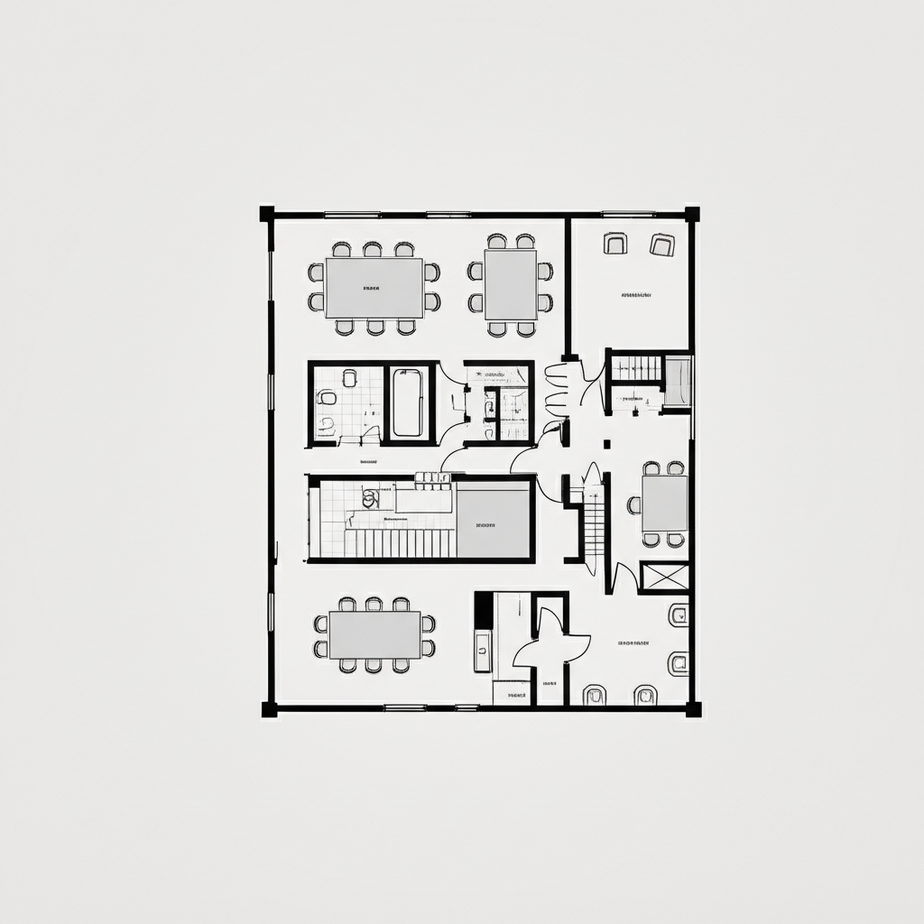
Space Planning Services: Transform Your Commercial Space
Key Takeaways
- Professional space planning reduces operational costs by 15-30% through optimized layouts and efficient space utilization
- Strategic space planning prevents costly mistakes like poor traffic flow, inadequate storage, and oversized furniture that plague DIY projects
- Comprehensive space planning services include 3D visualization, code compliance, and future growth planning for long-term ROI
- Expert space planners navigate complex zoning requirements, ADA compliance, and permit processes to ensure seamless project execution
- Investment in professional space planning pays dividends through improved employee productivity, customer experience, and property value
Your commercial space is more than square footage—it’s the foundation of your business operations, employee productivity, and customer experience. Yet countless business owners struggle with inefficient layouts that drain profits, create operational bottlenecks, and fail to support growth. Whether you’re planning a new office, restaurant, retail store, or medical facility, the difference between success and costly mistakes often comes down to one critical factor: professional space planning.
Space planning services transform conceptual visions into functional, profitable environments that work as hard as you do. From maximizing every square foot to ensuring code compliance and future scalability, expert space planners deliver turnkey solutions that eliminate guesswork and costly revisions. In this comprehensive guide, we’ll explore how strategic space planning can revolutionize your commercial property, the essential elements of effective design, and why professional expertise is crucial for achieving optimal ROI on your investment.
Understanding Space Planning Services: The Foundation of Commercial Success
Space planning services represent the strategic art and science of organizing physical environments to maximize functionality, efficiency, and business performance. Far more than simply arranging furniture, professional space planning involves the comprehensive analysis of how people move through, interact with, and utilize commercial spaces to achieve specific business objectives.
At its core, space planning is the systematic process of analyzing spatial requirements, traffic flow patterns, and operational needs to create environments that support productivity, enhance customer experience, and drive revenue growth. This discipline combines architectural principles, human psychology, and business strategy to transform raw square footage into purposeful, profitable spaces.
Professional space planning services encompass multiple layers of expertise, including regulatory compliance, accessibility requirements, building codes, and industry-specific standards. Whether designing a medical clinic that must accommodate patient privacy and equipment needs, or creating a retail environment that guides customer behavior and maximizes sales per square foot, space planning professionals understand how spatial decisions directly impact business outcomes.
The modern commercial landscape demands spaces that are not only functional but also adaptable to changing business needs. Effective space planning considers future growth, technology integration, and evolving work patterns. This forward-thinking approach ensures that businesses invest in spatial solutions that provide long-term value rather than short-term fixes that quickly become obsolete.
Benefits of Professional Space Planning for Commercial Enterprises
Professional space planning services deliver measurable returns on investment through improved operational efficiency, enhanced employee productivity, and optimized customer experiences. Studies consistently demonstrate that well-planned commercial spaces can increase productivity by 15-20% while reducing operational costs through more efficient use of square footage and resources.
For retail businesses, strategic space planning directly impacts sales performance through improved traffic flow, strategic product placement, and enhanced customer journey mapping. Professional retail design services can increase sales per square foot by optimizing sight lines, creating logical shopping paths, and positioning high-margin products in prime locations. The investment in professional space planning typically pays for itself within the first year through increased revenue and reduced operational inefficiencies.
In office environments, thoughtful space planning reduces real estate costs by maximizing space utilization while improving employee satisfaction and retention. Companies that invest in professional space planning report reduced turnover rates, improved collaboration, and enhanced company culture. The strategic placement of departments, meeting spaces, and collaborative areas creates synergies that boost overall organizational performance.
Healthcare and service-based businesses benefit from space planning through improved patient flow, reduced wait times, and enhanced service delivery. Professional space planning ensures compliance with industry regulations while creating environments that support both operational efficiency and positive customer experiences. These improvements translate directly to increased patient satisfaction scores, higher service capacity, and improved profitability.
The Professional Space Planning Process: From Concept to Implementation
The professional space planning process begins with comprehensive needs assessment and stakeholder consultation. Experienced space planners conduct detailed interviews with key personnel, analyze current operational challenges, and identify specific business objectives that the new space must support. This discovery phase includes traffic pattern analysis, workflow mapping, and identification of both current and future spatial requirements.
Following the assessment phase, space planners develop preliminary concepts using advanced software tools and 3D visualization technology. These initial layouts undergo multiple iterations based on client feedback, regulatory requirements, and operational considerations. Professional space planners consider factors such as natural light optimization, acoustic requirements, technology infrastructure, and emergency egress to ensure comprehensive solutions.
The design development phase involves detailed space planning with precise measurements, furniture specifications, and material selections. This stage includes coordination with other design professionals, contractors, and vendors to ensure seamless project execution. Professional space planners manage the permitting process, coordinate with building officials, and ensure all designs meet local building codes and industry standards.
Implementation involves project management coordination, contractor oversight, and quality control throughout the construction or renovation process. Experienced space planning professionals understand that successful projects require careful scheduling, budget management, and clear communication among all stakeholders. The final phase includes space activation support, helping businesses transition into their new environments and optimize operations within the newly planned space. This comprehensive approach ensures that space planning investments deliver maximum return through improved functionality and business performance.
Space Planning Services in San Antonio & Central Texas: Capitalizing on Regional Growth
The San Antonio-Austin corridor represents one of America’s fastest-growing commercial markets, creating unprecedented opportunities for businesses that invest in professional space planning services. This dynamic region, encompassing the Texas Hill Country and extending throughout the 100-mile radius around San Antonio, has experienced explosive population growth, corporate relocations, and infrastructure development that demands sophisticated spatial solutions.
The region’s diverse economic landscape—from technology companies in Austin to healthcare systems in San Antonio, from hospitality ventures in the Hill Country to manufacturing facilities throughout Central Texas—requires specialized space planning expertise that understands local market conditions, building codes, and business culture. Professional restaurant design services, for example, must consider the region’s vibrant culinary scene, outdoor dining preferences, and tourism patterns when creating spaces that capture market share in this competitive environment.
Local businesses benefit from space planning professionals who understand regional construction costs, permitting processes, and vendor networks. The San Antonio-Austin corridor’s rapid growth has created challenges with contractor availability and material costs, making experienced project management and local market knowledge essential for successful space planning projects. Professional space planners with established regional relationships can navigate these challenges while delivering projects on time and within budget.
The region’s emphasis on sustainability, technology integration, and adaptive reuse creates opportunities for innovative space planning solutions that support both environmental goals and business objectives. From converting historic buildings in downtown San Antonio to designing flexible office spaces that accommodate hybrid work models, professional space planning services help Central Texas businesses stay competitive in an evolving marketplace while maximizing their real estate investments for long-term success.
Common Mistakes to Avoid
Even the most well-intentioned commercial space planning projects can fall victim to costly errors that impact functionality, budget, and business operations. Understanding these common pitfalls can save your business thousands of dollars and months of disruption.
Ignoring Scale and Proportion is perhaps the most frequent mistake. Selecting furniture that’s too small for your space creates a disjointed, unprofessional appearance, while oversized pieces can make areas feel cramped and restrict traffic flow. This mistake often stems from making purchasing decisions without proper measurements or 3D visualization.
Poor Traffic Flow Planning creates bottlenecks that frustrate employees and customers alike. Failing to account for natural movement patterns, emergency egress requirements, and peak-usage scenarios can result in spaces that look good on paper but fail in practice. This is especially critical in retail and restaurant environments where customer experience directly impacts revenue.
Neglecting Future Growth is a costly oversight that forces expensive renovations sooner than anticipated. Many businesses plan only for current needs without considering expansion, technology upgrades, or changing operational requirements. This shortsightedness often results in having to relocate or undergo major renovations within just a few years.
Inadequate Storage and Utility Planning creates ongoing operational headaches. Insufficient storage forces clutter into public areas, while poor electrical and data infrastructure planning can require disruptive and expensive retrofitting as technology needs evolve.
DIY Approach Without Professional Expertise often leads to code violations, permit delays, and costly corrections. While the initial savings may seem attractive, the hidden costs of mistakes, rework, and lost productivity typically far exceed professional design fees.
Frequently Asked Questions
How much does MEP design cost per square foot?
MEP (mechanical, electrical, plumbing) design typically costs between $2-8 per square foot for commercial spaces, depending on complexity and local market conditions. High-tech facilities like medical clinics or restaurants with extensive kitchen equipment may see costs toward the higher end of this range. This investment is essential for ensuring code compliance and operational efficiency.
What is the 70/30 rule in interior design?
The 70/30 rule suggests that 70% of a room should feature a dominant color (typically neutral), while 30% incorporates accent colors for visual interest. In commercial spaces, this principle helps create cohesive brand environments while maintaining professional appeal. This balance ensures spaces feel intentional rather than chaotic or bland.
What is the average cost for design services?
Commercial design services typically range from $75-200 per hour, with flat fees of $2,000-12,000+ depending on project scope. Per-square-foot pricing may range from $2-12 for basic space planning, though comprehensive turnkey solutions often provide better value. Investment varies significantly based on project complexity, timeline, and desired level of customization.
What are the issues you will face if a floorplan is bad?
Poor floorplans create operational inefficiencies, reduced productivity, customer dissatisfaction, and increased operational costs. Common issues include traffic bottlenecks, inadequate storage, poor sight lines for security, and spaces that don’t support your business model. These problems often require expensive renovations and can negatively impact revenue and employee satisfaction.
What are the common mistakes in house plan design?
Common design mistakes include ignoring natural light opportunities, poor room proportions, inadequate storage planning, and failing to consider furniture placement during the design phase. In commercial applications, these translate to spaces that don’t support business operations, poor customer experience, and higher long-term operational costs. Professional space planning prevents these costly oversights.
How long does the space planning process typically take?
Commercial space planning typically takes 2-8 weeks depending on project complexity, size, and approval processes. Simple tenant improvements may be completed in 2-3 weeks, while complex projects involving structural changes or extensive permitting can take several months. Starting the planning process early helps ensure your target opening timeline is achievable.
Do I need permits for space planning changes?
Permit requirements depend on the scope of changes, but most commercial renovations require some level of permitting. Moving walls, changing electrical or plumbing, or altering egress routes typically require permits. Professional space planning services include permit coordination and ensure all changes comply with local building codes and ADA requirements.
Can space planning help reduce operational costs?
Effective space planning can significantly reduce operational costs through improved workflow efficiency, optimized space utilization, and strategic placement of equipment and workstations. Well-planned spaces reduce employee travel time, minimize energy costs through smart lighting and HVAC placement, and can increase revenue per square foot. The ROI on professional space planning often pays for itself within the first year.
Conclusion
Strategic space planning is the foundation of every successful commercial project, directly impacting your bottom line through improved operational efficiency, enhanced customer experience, and optimized space utilization. From restaurants and retail stores to medical facilities and office environments, the principles of effective space planning remain consistent: understand your business needs, prioritize workflow efficiency, and plan for future growth.
The investment in professional space planning services pays dividends through reduced construction costs, faster project timelines, and spaces that truly support your business objectives. Whether you’re launching a new venture, expanding operations, or repositioning an existing property, the expertise of seasoned space planning professionals ensures your project succeeds from concept to grand opening.
Don’t leave your commercial space investment to chance. Professional space planning services provide the strategic foundation your business needs to thrive in today’s competitive market. From initial concept development through final construction administration, experienced designers deliver turnkey solutions that maximize your ROI while creating spaces your customers and employees will love.
Ready to transform your commercial space into a strategic business asset? Schedule a Free Consultation today and discover how professional space planning can elevate your business operations, enhance your brand experience, and deliver measurable results. Your success starts with smart space planning – let’s make it happen.
For small business owners, the SBA Small Business Store Management Guide provides authoritative resources on retail operations and planning.