Insights
What is Commercial Space Planning? Complete 2026 Texas Guide
March 19, 2026
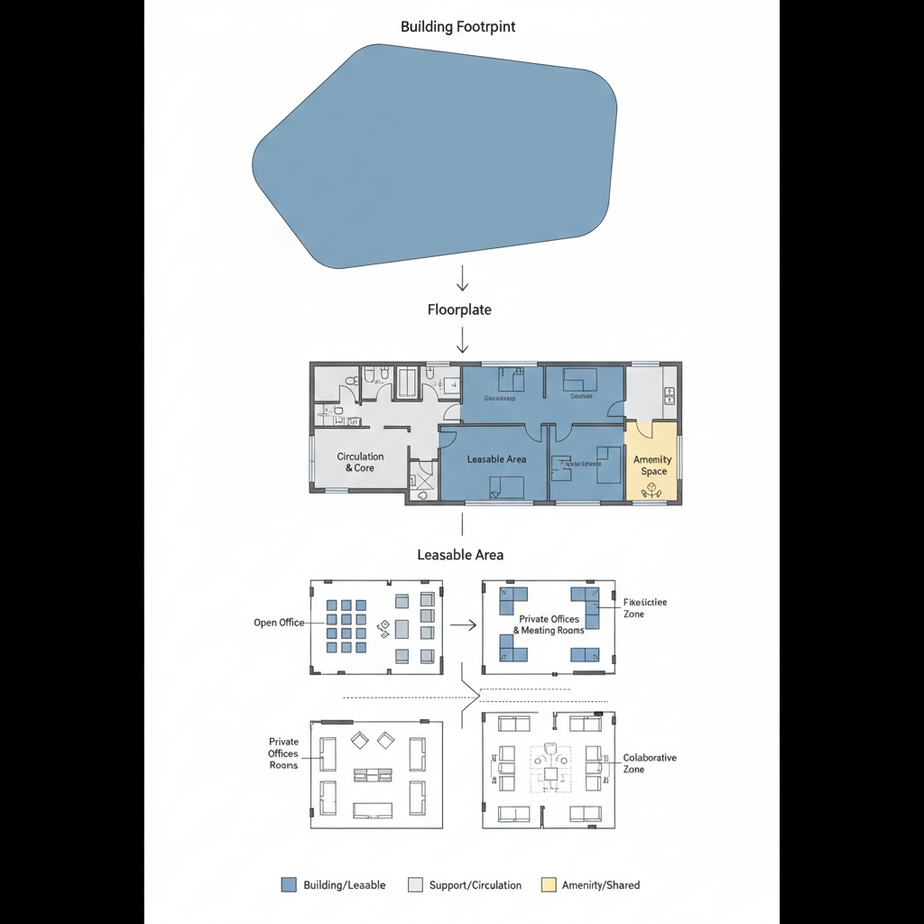
What is Space Planning? The Complete 2026 Guide
Quick answer: Commercial space planning is the layout discipline that organizes a commercial space for workflow, traffic flow, code compliance, and brand experience. Plans cover walls, doors, fixtures, equipment, MEP rough-in, and ADA paths of travel. A complete plan is required for permits in Texas commercial real estate.
Key Takeaways
- Space planning is the strategic organization of layouts, furniture, and functions to maximize efficiency and productivity
- Professional space planning can reduce operational costs by 15-30% through optimized square footage utilization
- Proper planning prevents costly mistakes like poor traffic flow, inadequate storage, and oversized or undersized spaces
- Modern space planning integrates technology, flexible workspaces, and data-driven utilization strategies
- Investment ranges from $75-$500+ per hour for professional services, with turnkey solutions offering the highest ROI
Every square foot of your commercial space represents an investment—and without proper planning, it’s an investment that’s bleeding money. Whether you’re designing a new office, repositioning a retail property, or developing a hospitality venue, space planning is the foundation that determines whether your project delivers exceptional ROI or becomes a costly mistake.
Space planning goes far beyond simply arranging furniture. It’s the strategic process of organizing layouts, functions, and flow to maximize efficiency, enhance user experience, and drive business performance. In today’s competitive market, businesses that master space planning gain significant advantages: reduced operational costs, improved productivity, enhanced brand experience, and higher property values.
This comprehensive guide reveals what space planning truly entails, why it’s critical for commercial success, and how professional expertise can transform your vision into a profitable reality. You’ll discover proven strategies, avoid common pitfalls, and understand the investment required to achieve turnkey solutions that deliver measurable results.
What is Space Planning? Understanding the Foundation of Commercial Design
Space planning is the strategic process of organizing and arranging interior spaces to maximize functionality, efficiency, and user experience. At its core, space planning involves analyzing how people move through and use a space, then designing layouts that optimize workflow, enhance productivity, and create environments that support business objectives.
This comprehensive discipline goes far beyond simply placing furniture in a room. Professional space planning considers traffic patterns, adjacency requirements, zoning regulations, building codes, and the specific operational needs of each business. Whether you’re designing a restaurant layout that maximizes table turnover or configuring an office that promotes collaboration, effective space planning requires deep understanding of both human behavior and business operations.
In today’s competitive market, space planning has evolved into a data-driven science that incorporates technology, sustainability principles, and flexible design strategies. Modern space planners use advanced software, 3D modeling, and even virtual reality to visualize spaces before construction begins, reducing costly mistakes and ensuring optimal outcomes.
The discipline encompasses multiple specializations, from retail merchandising layouts that drive sales to medical facility designs that ensure patient safety and regulatory compliance. Each sector requires unique expertise in space utilization, with considerations ranging from Americans with Disabilities Act (ADA) compliance to industry-specific workflow requirements. Professional space planning serves as the foundation for all successful commercial interior design projects, establishing the framework upon which all other design elements build.
Benefits of Space Planning for Commercial Businesses
Strategic space planning delivers measurable returns on investment through improved operational efficiency, enhanced employee productivity, and optimized customer experiences. Businesses that invest in professional space planning typically see immediate improvements in workflow efficiency, with some organizations reporting productivity increases of 15-20% following strategic space redesigns.
For retail businesses, effective space planning directly impacts revenue through improved customer flow and strategic product placement. Professional retail design and space planning can increase sales per square foot by optimizing sight lines, creating compelling product displays, and reducing bottlenecks that cause customer frustration. Similarly, restaurants benefit from space planning that maximizes seating capacity while maintaining comfortable dining experiences and efficient service workflows.
Cost optimization represents another significant advantage of professional space planning. By maximizing the utility of every square foot, businesses can often avoid costly expansions or relocations. Proper space planning also reduces operational costs through improved energy efficiency, optimized HVAC systems, and strategic placement of utilities and technology infrastructure.
Employee satisfaction and retention improve dramatically in well-planned spaces. Thoughtful space planning creates environments that support different work styles, provide adequate storage and meeting areas, and promote both collaboration and focused work. This translates to reduced turnover costs and improved talent acquisition, as modern professionals increasingly prioritize workplace quality when making career decisions. Additionally, strategically planned spaces enhance brand image and customer perception, contributing to long-term business success and market positioning.
How Space Planning Works: The Professional Process
The space planning process begins with comprehensive discovery and analysis, where designers conduct detailed assessments of client needs, existing conditions, and future growth projections. This phase involves extensive stakeholder interviews, workflow analysis, and space utilization studies to understand how the business operates and where improvements can be made.
Programming follows discovery, establishing detailed requirements for each functional area within the space. Professional space planners create adjacency matrices, bubble diagrams, and functional relationship charts that map out how different areas should connect and interact. This systematic approach ensures that high-traffic areas are appropriately located, private functions are properly separated, and support spaces are strategically positioned for maximum efficiency.
The design development phase translates programming requirements into scaled floor plans and 3D visualizations. Modern space planning utilizes advanced software tools that allow clients to virtually walk through proposed layouts before construction begins. This technology-driven approach enables real-time adjustments and ensures that all stakeholders can visualize the final result, reducing miscommunication and costly changes during construction.
Implementation involves detailed coordination with architects, engineers, and contractors to ensure that space plans comply with building codes, zoning requirements, and accessibility standards. Professional space planners manage the permitting process, coordinate with utility providers, and oversee installation to ensure that the final result matches the approved design. Throughout this process, experienced planners maintain focus on budget control, timeline management, and quality assurance, delivering turnkey solutions that meet both functional requirements and business objectives.
Space Planning in San Antonio & Central Texas: Local Market Insights
The San Antonio-Austin corridor represents one of America’s fastest-growing commercial markets, creating unprecedented demand for strategic space planning services. This 100-mile radius encompasses diverse business environments, from San Antonio’s military and healthcare sectors to Austin’s technology hub, each requiring specialized space planning expertise to maximize operational efficiency and support rapid growth.
Central Texas businesses face unique challenges that make professional space planning essential. The region’s booming population growth means commercial spaces must accommodate increasing density while maintaining functionality. Historic downtown districts in San Antonio and surrounding Hill Country communities like Boerne and New Braunfels require space planning that respects architectural heritage while incorporating modern business needs and technology infrastructure.
The corridor’s diverse industry mix demands specialized space planning knowledge across multiple sectors. San Antonio’s robust medical district requires space planning that ensures regulatory compliance and patient safety, while Austin’s tech companies need flexible layouts that support rapid scaling and collaborative work styles. Manufacturing and distribution facilities throughout the region must optimize logistics and workflow efficiency to serve the growing Texas Triangle market effectively.
Regional construction costs and permitting requirements make strategic space planning even more critical for maximizing return on investment. With office fit-out costs varying significantly across markets, professional space planning helps businesses optimize their investment while navigating local building codes and zoning regulations. The area’s continued economic expansion and corporate relocations create ongoing opportunities for businesses to leverage strategic space planning for competitive advantage in this dynamic market.
Common Mistakes to Avoid
Even experienced business owners make critical errors when planning their commercial spaces. Understanding these common pitfalls can save thousands in costly redesigns and operational inefficiencies.
Ignoring Scale and Proportion: One of the most frequent mistakes is selecting furniture or fixtures that are completely wrong for the space size. Oversized conference tables in small meeting rooms or tiny reception desks in grand lobbies create awkward, unprofessional environments that hurt your brand image.
Poor Traffic Flow Planning: Failing to map out how people will move through your space leads to bottlenecks, safety issues, and frustrated customers. This is especially critical in retail environments where poor flow directly impacts sales conversion rates.
Insufficient Storage Solutions: Underestimating storage needs results in cluttered workspaces that reduce productivity and create safety hazards. Every business type—from medical clinics to restaurants—requires strategic storage planning from day one.
Overlooking Building Systems: Not accounting for HVAC vents, electrical outlets, and plumbing locations during the planning phase leads to expensive modifications later. Professional space planners coordinate with engineers to avoid these costly surprises.
Neglecting Future Growth: Designing only for current needs without considering expansion plans forces expensive relocations or renovations within just a few years. Smart space planning includes modular solutions that adapt as your business grows.
Related Prestige 360 Services in Texas
Planning a Texas commercial space? These Prestige 360 services cover the most common space-planning use cases:
- Commercial Buildout Planning Texas - permits, scope definition, and project planning for Texas commercial tenants.
- Retail Space Planning Design - layout, fixture placement, and traffic-flow optimization for retail.
- Professional Office Layout Texas - office space planning for law, finance, healthcare, and tech tenants.
- Tenant Improvement Services - TI allowance planning and full coordination through Certificate of Occupancy.
Frequently Asked Questions
What is the concept of space planning?
Space planning is the strategic process of organizing physical layouts to optimize functionality, workflow, and user experience. It involves analyzing how people will use a space and arranging elements like furniture, equipment, and circulation paths to support those activities efficiently while meeting building codes and safety requirements.
What is plan space planning?
Plan space planning refers to the technical drawing and documentation phase where space planners create detailed floor plans, furniture layouts, and technical drawings. These plans serve as blueprints for construction teams, showing exact measurements, electrical requirements, and spatial relationships between different areas.
What are common space planning mistakes?
The most common mistakes include ignoring scale and proportion, poor traffic flow planning, insufficient storage, overlooking building systems like HVAC and electrical, and failing to plan for future growth. These errors often result in costly redesigns and operational inefficiencies that could have been avoided with professional planning.
What are the basic principles of space planning?
The fundamental principles include functionality (spaces must serve their intended purpose), flow (smooth circulation patterns), flexibility (adaptability for changing needs), safety (compliance with codes), and efficiency (maximizing usable space). Professional planners also consider lighting, acoustics, and brand representation in their designs.
How much does professional space planning cost?
Professional space planning typically ranges from $75 to $225 per hour, with project-based fees varying by scope and complexity. Commercial fit-out costs average $108-$114 per square foot nationally, though this varies significantly by location and finish level.
Do I need permits for commercial space planning changes?
Most commercial renovations require permits, especially those involving structural changes, electrical work, or plumbing modifications. Professional space planners handle permit applications and ensure all designs meet local building codes and ADA compliance requirements.
How long does the space planning process take?
Timeline varies by project complexity, but typical commercial space planning takes 2-6 weeks for design development, plus additional time for permitting and construction. Simple office layouts may be completed faster, while complex projects like restaurants or medical facilities require more extensive planning phases.
Conclusion
Effective space planning is the foundation of any successful commercial project, directly impacting your bottom line through improved efficiency, enhanced customer experience, and optimized operational costs. From understanding basic principles to avoiding common pitfalls, strategic space planning requires both technical expertise and deep understanding of how different business types function.
Whether you’re opening a new restaurant, renovating medical offices, or repositioning commercial property for maximum value, professional space planning ensures every square foot works harder for your business. The investment in proper planning pays dividends through reduced construction costs, faster project timelines, and spaces that truly support your operational goals.
Smart business owners recognize that space planning isn’t just about arranging furniture—it’s about creating environments that drive revenue, improve productivity, and reflect your brand values. With construction costs and commercial real estate at premium levels, getting your space plan right the first time has never been more critical.
Ready to transform your commercial space into a strategic business asset? Our experienced team specializes in turnkey solutions that take your project from initial concept to grand opening, handling everything from permitting to final inspections. Schedule a Free Consultation today to discover how professional space planning can maximize your investment and accelerate your business success.
For small business owners, the SBA Small Business Store Management Guide provides authoritative resources on retail operations and planning.