Insights
Commercial Building Renovation Guide: Costs, Planning, ROI (2026 Texas)
February 24, 2026
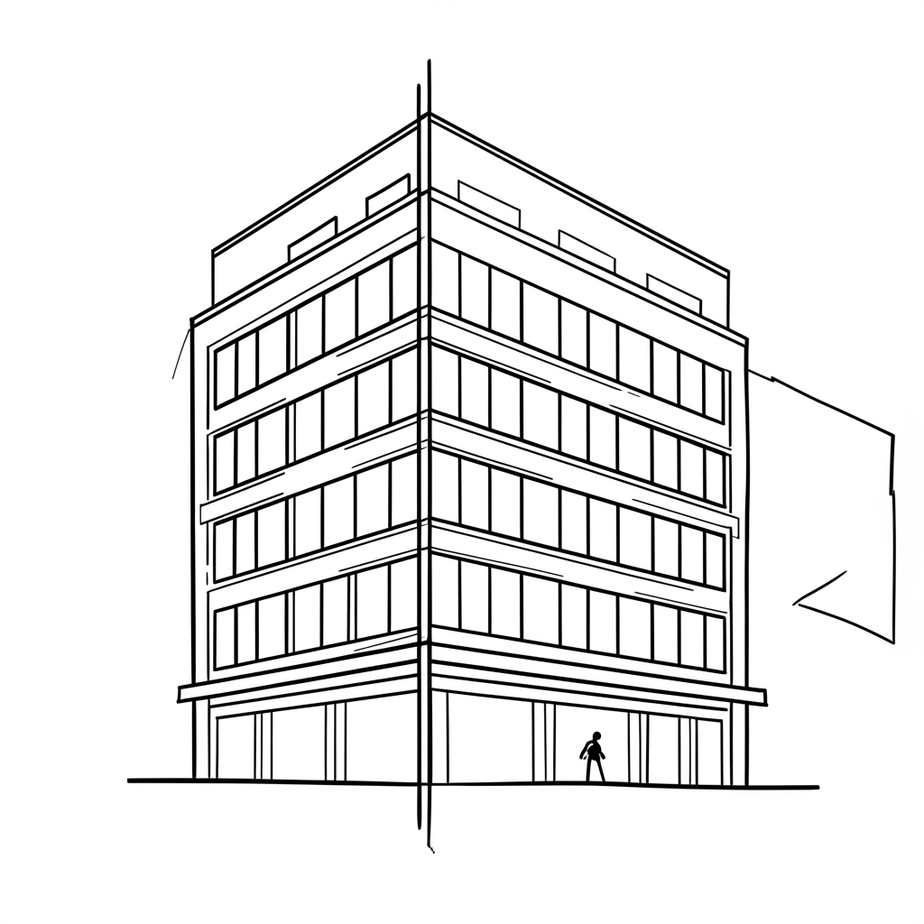
Commercial Building Renovation Guide: Costs, Planning & ROI
Quick answer: A commercial building renovation in Texas covers structural updates, MEP modernization, layout reconfiguration, and finish-out for new use. Typical 2026 cost runs $50 to $200 per square foot for general-use buildings, with timelines of 12 to 24 weeks. ROI depends on lease-up speed, rent uplift, and operational efficiency gains for the tenant.
Key Takeaways
- Commercial renovation costs range from $50-300 per square foot depending on scope, location, and building type
- Proper planning and budgeting prevent 80% of common renovation delays and cost overruns
- Strategic renovations can increase property value by 15-25% and reduce operating costs by up to 30%
- Professional design and permitting expertise ensures code compliance and maximizes ROI
- Turnkey renovation solutions minimize business disruption and accelerate project timelines
Commercial building renovation represents one of the most strategic investments a property owner or business can make in today’s competitive market. With construction costs stabilizing and tenant expectations rising, the opportunity to transform underperforming spaces into revenue-generating assets has never been more compelling.
Whether you’re repositioning an outdated office building, converting retail space for modern tenants, or expanding your business footprint, successful commercial renovation requires more than just aesthetic updates. It demands a comprehensive understanding of market dynamics, regulatory requirements, and financial planning that many property owners underestimate.
The stakes are significant: renovation projects typically range from $50 to $300 per square foot, with total investments often reaching six or seven figures. Yet when executed strategically, these projects can increase property values by 15-25% while reducing long-term operating costs by up to 30%. This guide provides the essential framework for navigating every aspect of commercial building renovation, from initial planning through project completion, ensuring your investment delivers maximum returns.
Understanding Commercial Building Renovation
Commercial building renovation encompasses the comprehensive process of updating, modernizing, and improving existing commercial properties to enhance their functionality, efficiency, and market value. Unlike new construction, commercial renovation involves working within the constraints of existing structures while maximizing their potential through strategic improvements and modernization efforts.
The scope of commercial building renovation varies significantly depending on the property type and business objectives. Tenant improvements represent one of the most common forms of renovation, where businesses customize leased spaces to meet their specific operational needs. This might involve reconfiguring layouts, updating electrical and HVAC systems, or installing specialized equipment for industries like healthcare or food service.
More extensive renovations can include structural modifications, complete mechanical system overhauls, and exterior improvements that transform the building’s appearance and performance. These projects often involve complex permitting processes, code compliance updates, and coordination with multiple trades and specialists.
The commercial renovation market has evolved significantly, with property owners increasingly viewing renovations as strategic investments rather than mere maintenance expenses. Modern renovation projects frequently incorporate sustainable technologies, smart building systems, and flexible design elements that can adapt to changing business needs. This shift reflects the growing understanding that well-executed renovations can deliver substantial returns on investment while extending the useful life of commercial properties by decades.
Successful commercial renovation requires careful planning, experienced project management, and deep understanding of both current building codes and future market trends. The complexity of these projects demands expertise in everything from structural engineering to interior design, making professional guidance essential for achieving optimal outcomes.
Benefits of Commercial Building Renovation for Property Owners
Commercial building renovation delivers compelling financial returns and operational advantages that make it an attractive alternative to new construction. The most immediate benefit is cost efficiency – renovation projects typically cost 50-70% less than new construction while achieving similar functional improvements. This cost advantage becomes even more pronounced in markets with high land values or limited available development sites.
Property value enhancement represents another significant advantage. Well-executed renovations can increase property values by 15-30%, according to commercial real estate data. This appreciation occurs through improved functionality, modern aesthetics, and updated building systems that attract higher-quality tenants willing to pay premium rents. Energy-efficient upgrades often provide additional value through reduced operating costs and improved environmental ratings.
From an operational perspective, renovation allows businesses to maintain continuity while improving their facilities. Unlike relocation scenarios that disrupt operations and customer relationships, phased renovation projects can minimize business interruption while delivering meaningful improvements. This is particularly valuable for established businesses with strong location-based customer bases.
Renovation also offers superior flexibility in addressing specific business needs. Professional space planning can optimize existing square footage to improve workflow efficiency, accommodate growth, or adapt to changing operational requirements. This customization level is often more cost-effective than finding and modifying new space.
Tax incentives further enhance renovation ROI. Many jurisdictions offer accelerated depreciation schedules, historic preservation credits, or energy efficiency rebates that can offset 10-25% of project costs. Additionally, renovation projects often qualify for shorter permitting timelines compared to new construction, reducing carrying costs and accelerating return realization.
The sustainability benefits of renovation align with corporate social responsibility goals while delivering tangible cost savings through improved energy efficiency and reduced waste generation.
The Commercial Building Renovation Process
The commercial renovation process begins with comprehensive property assessment and feasibility analysis. This critical first phase involves structural evaluations, mechanical system inspections, and code compliance reviews to identify potential challenges and opportunities. Professional architects and engineers assess the building’s capacity for proposed improvements while identifying any hidden issues that could impact project scope or budget.
Following initial assessment, the design and planning phase translates renovation goals into detailed specifications. This stage involves space planning, architectural design, and engineering drawings that address both aesthetic and functional requirements. For specialized facilities like restaurants or retail spaces, this phase incorporates industry-specific requirements for equipment, workflow, and customer experience. Restaurant design projects, for example, require careful coordination of kitchen equipment, dining layouts, and compliance with health department regulations.
The permitting and approval process represents a critical milestone where renovation plans undergo regulatory review. This phase can take 4-12 weeks depending on project complexity and local jurisdiction requirements. Experienced project managers navigate this process efficiently by anticipating potential issues and maintaining open communication with regulatory officials.
Construction execution follows a carefully sequenced timeline that minimizes disruption while maintaining quality standards. Successful projects employ phased approaches that allow portions of the building to remain operational during construction. This requires sophisticated project management and coordination among multiple trades working in confined spaces.
Throughout construction, regular quality inspections and progress reviews ensure adherence to specifications and timelines. Modern renovation projects increasingly utilize project management software and communication platforms that provide real-time updates to stakeholders and enable rapid response to any issues that arise.
The final phase involves commissioning and occupancy preparation, where all systems are tested, final inspections completed, and any punch list items addressed before the space is ready for occupancy.
Commercial Building Renovation in San Antonio & Central Texas: Local Market Insights
The San Antonio-Austin corridor represents one of the nation’s most dynamic commercial real estate markets, creating exceptional opportunities for strategic building renovation projects. This 100-mile radius encompasses rapidly growing communities including Boerne, New Braunfels, and San Marcos, where commercial property demand consistently outpaces new construction supply.
Central Texas’s explosive population growth – with the region adding over 150,000 new residents annually – drives sustained demand for renovated commercial spaces across all sectors. The area’s diverse economy, spanning technology, healthcare, military, and tourism, creates unique renovation opportunities for property owners willing to adapt their buildings to serve emerging market needs. Retail design projects particularly benefit from the region’s strong consumer spending and tourist traffic.
Local market conditions favor renovation over new construction due to several factors. Construction costs in Central Texas have increased significantly, making renovation’s cost advantages even more compelling. Additionally, many of the region’s most desirable commercial locations feature older buildings with excellent bones that can be transformed into modern, efficient spaces at fraction of new construction costs.
The region’s pro-business regulatory environment facilitates efficient permitting processes for renovation projects. Local municipalities generally support adaptive reuse projects that enhance neighborhood character while meeting modern business needs. This regulatory support, combined with available incentive programs for historic preservation and energy efficiency improvements, enhances renovation project economics.
Central Texas’s skilled construction workforce and established supply chains provide renovation projects with reliable resources and competitive pricing. The region’s concentration of architectural and engineering talent ensures access to specialized expertise required for complex renovation projects.
Looking ahead, demographic trends and economic diversification position Central Texas for continued growth, making strategic renovation investments particularly attractive for long-term value creation in this dynamic market.
Common Mistakes to Avoid
Even experienced business owners can fall into costly traps during commercial building renovation. Understanding these common pitfalls helps ensure your project stays on track and within budget.
1. Inadequate Initial Planning and Scope Definition
Rushing into renovation without clearly defining objectives leads to scope creep and budget overruns. Many owners underestimate the complexity of commercial projects, failing to account for code compliance, permitting requirements, and operational disruptions. Proper planning should include detailed space programming, workflow analysis, and phased implementation strategies.
2. Choosing Contractors Based Solely on Price
The lowest bid often becomes the most expensive option. Inexperienced contractors may lack proper licensing, insurance, or expertise in commercial building codes. This results in delays, rework, and potential safety violations that can shut down your project entirely.
3. Neglecting Hidden Infrastructure Issues
Failing to conduct thorough building assessments before renovation leads to expensive surprises. Common hidden problems include outdated electrical systems, HVAC deficiencies, structural issues, and hazardous materials like asbestos or lead paint. These discoveries can add 20-30% to your original budget.
4. Underestimating Permit and Code Compliance Requirements
Commercial renovations must meet current building codes, even if the original structure was grandfathered under older standards. ADA compliance, fire safety systems, and environmental regulations can significantly impact project scope and timeline. Budget for professional code review and permit expediting services.
5. Poor Communication and Change Order Management
Lack of clear communication channels between stakeholders leads to misunderstandings, delays, and costly change orders. Establish formal approval processes, document all decisions, and maintain regular progress meetings to keep everyone aligned on project goals and timelines.
Related Prestige 360 Services in Texas
Planning a commercial building renovation in Texas? These Prestige 360 services cover the full project lifecycle:
- Commercial Finish Out Texas - shell-to-occupant-ready buildout for retail, restaurant, medical, and office tenants.
- Commercial Buildout Planning Texas - permits, scope definition, and pre-construction planning.
- Tenant Improvement Services - TI allowance planning and full coordination through Certificate of Occupancy.
- Retail Design Company - in-house design and construction management under one contract for retail tenants.
- Commercial Interior Design Houston - commercial renovation and buildout services in Houston.
- commercial renovation cost calculator - quick per-foot ranges to frame the renovation budget before detailed bids.
Frequently Asked Questions
Will renovation costs go down in 2026?
Construction costs are expected to moderate in 2026 but remain elevated compared to pre-2020 levels. Material costs may stabilize as supply chains normalize, but labor shortages continue to drive wage increases. Regional variations will be significant, with some markets seeing slight decreases while others maintain current pricing levels.
How to price a commercial remodel?
Commercial remodel pricing typically ranges from $50-$300 per square foot depending on scope and finishes. Start with a detailed scope of work, obtain multiple qualified bids, and add 15-20% contingency for unforeseen conditions. Factor in soft costs like permits, design fees, and temporary relocation expenses which can add 25-35% to construction costs.
What is the construction cost benchmarking 2025?
The 2025 construction cost index shows commercial renovation costs increased 3-5% year-over-year, with regional variations. Office renovations average $75-$200 per square foot, retail fit-outs range $100-$300 per square foot, and restaurant buildouts typically cost $200-$500 per square foot including kitchen equipment.
What is the 30% rule for renovations?
The 30% rule states that if renovation costs exceed 30% of the building’s assessed value, the entire structure must be brought up to current building codes. This can significantly impact project scope and budget, requiring upgrades to electrical, plumbing, HVAC, and accessibility features throughout the building.
How long does a commercial building renovation take?
Commercial renovation timelines vary significantly based on scope and complexity. Simple tenant improvements take 8-12 weeks, while comprehensive renovations require 4-8 months. Add 2-4 weeks for permitting and plan review, plus potential delays for unforeseen conditions or change orders.
What permits are required for commercial building renovation?
Commercial renovations typically require building permits, electrical permits, plumbing permits, and mechanical permits. Depending on scope, you may also need fire department approval, health department permits, and special use permits. Work with experienced professionals to navigate local jurisdiction requirements and expedite the approval process.
Conclusion
Commercial building renovation represents a significant investment opportunity that can transform your business operations, enhance property values, and improve employee productivity. Success depends on thorough planning, realistic budgeting, and partnering with experienced professionals who understand the complexities of commercial construction.
From initial space planning through final occupancy, every phase requires careful coordination and expertise. Whether you’re updating a single tenant space or repositioning an entire commercial property, the right approach can deliver substantial returns on your investment while minimizing disruption to your business operations.
The key factors for renovation success include comprehensive pre-construction planning, accurate cost estimation, proactive permit management, and clear communication throughout the project lifecycle. By avoiding common mistakes and working with qualified professionals, you can ensure your renovation project meets your timeline, budget, and quality expectations.
Ready to transform your commercial space? Our experienced team specializes in turnkey renovation solutions that maximize ROI while minimizing business disruption. From concept development through project completion, we handle every aspect of your commercial renovation project. Schedule a Free Consultation today to discuss your renovation goals and discover how we can help bring your vision to life.
For small business owners, the SBA Small Business Store Management Guide provides authoritative resources on retail operations and planning.